

What equity in education means in practice
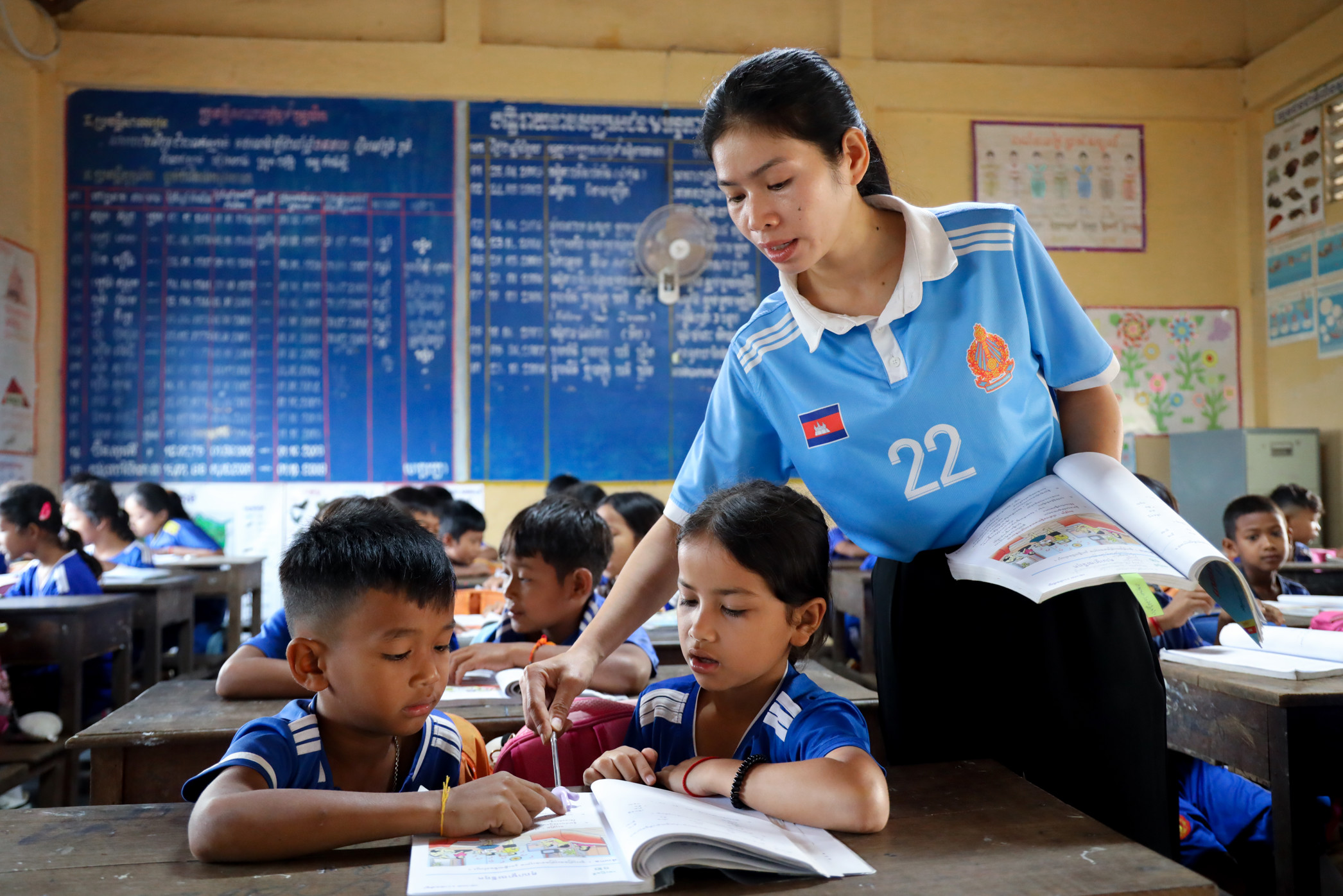
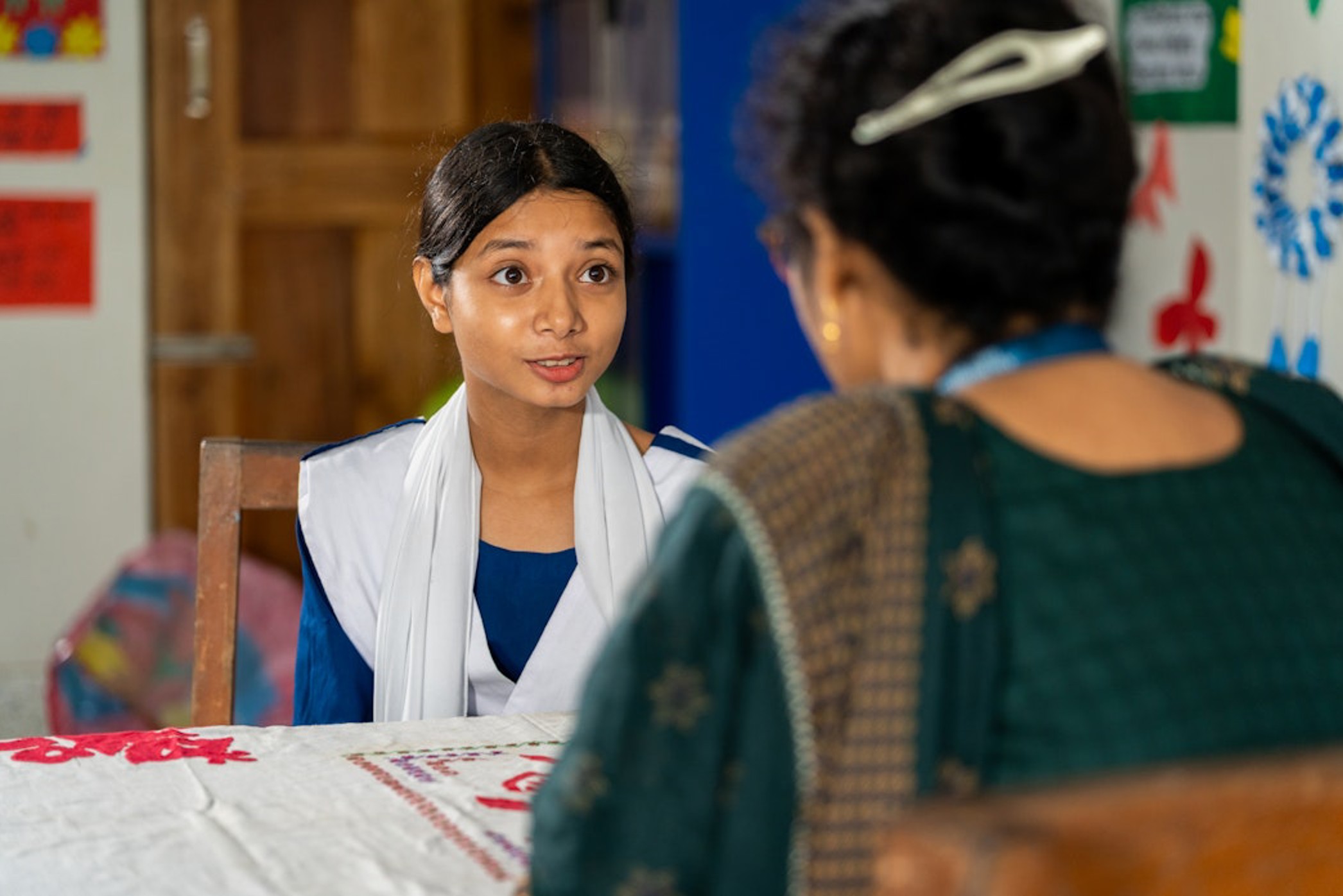
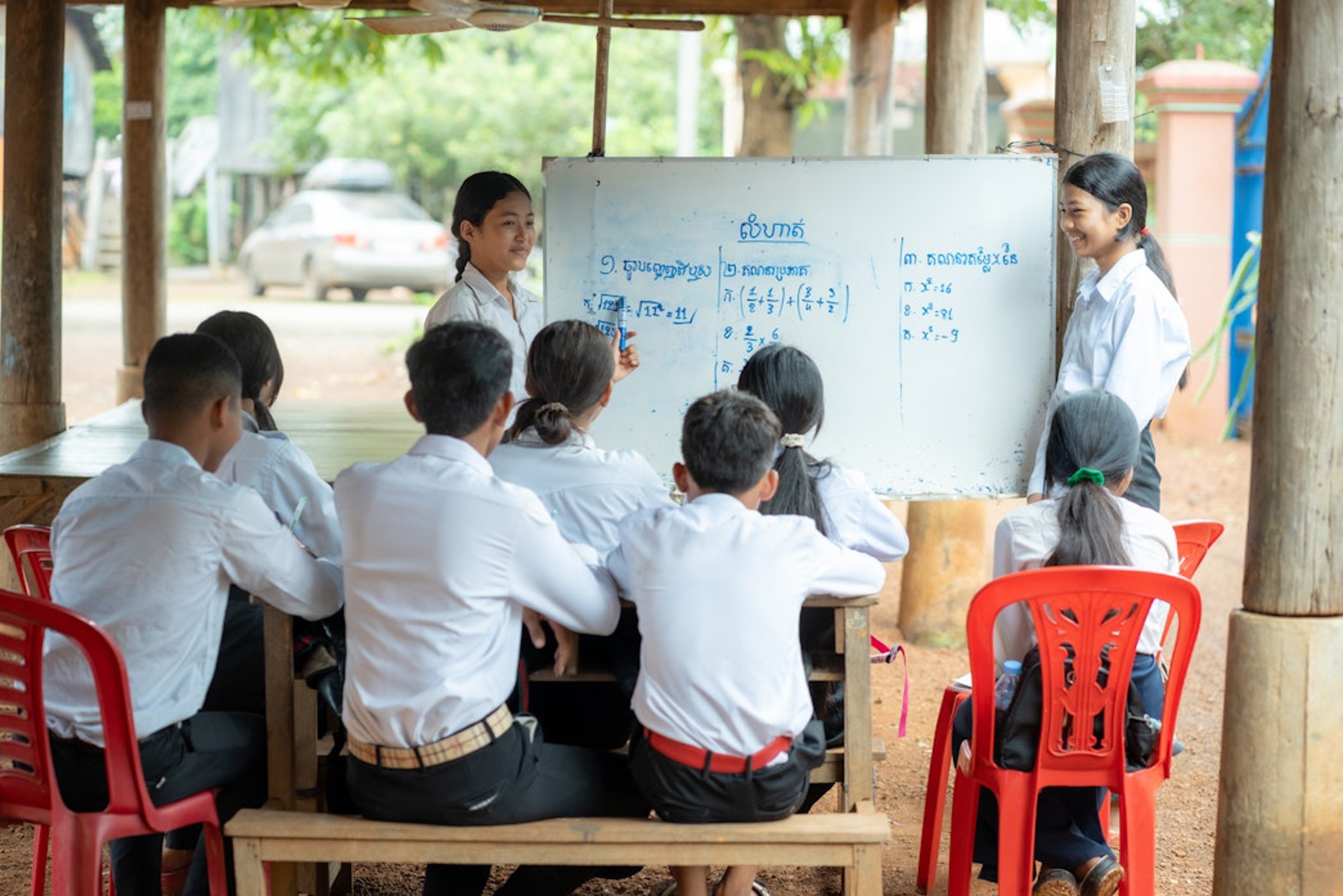
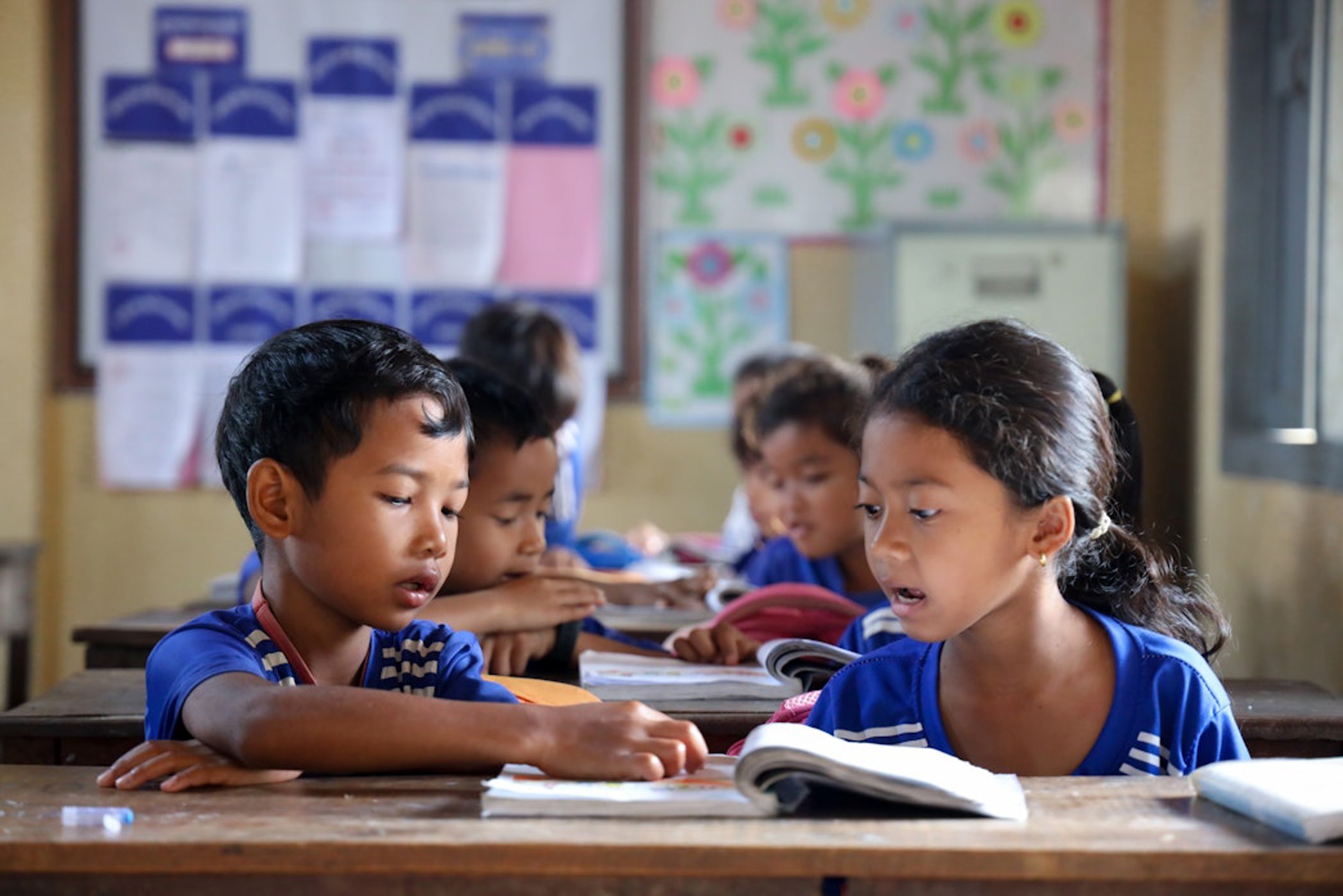
More than 251 million children and young people are not in school worldwide, and among 10-year-olds in low- and middle-income countries, seven in 10 cannot read and understand a simple text, according to the World Bank. These figures point to a global learning crisis driven by an uneven distribution of opportunity rather than a shortage of potential. Room to Read is a global nonprofit organization founded in 2000 that works to ensure children in historically under-resourced communities can read and stay in school through secondary education. Since then, we have benefited 60.3 million children across 29 geographies by addressing the barriers that keep education unequal even where schools already exist. Equity in education describes the effort to give each child what they specifically need to reach comparable learning outcomes, rather than distributing identical resources regardless of circumstance. That distinction matters because a classroom with books in a language children do not speak at home, or a school day interrupted by unpaid caregiving responsibilities, produces different results for different students even when funding per pupil looks equal on paper. For a closer look at how this definition breaks down in practice, see what equity in education actually means, including how it differs from equity versus equality as distinct strategies. A school system pursuing equity accounts for differences in language of instruction, distance to school, household income and gender-based expectations, then adjusts its programming accordingly. UNESCO’s Global Education Monitoring Report has found that learners taught in a language other than the one spoken at home acquire literacy skills more slowly, which is one reason equity-focused systems prioritize local-language materials in early grades. In our Literacy Program, we develop and distribute storybooks written by local authors in children’s home languages, giving early readers a foundation in a language they already understand before they transition to a national language of instruction. That approach shows how equity operates at the classroom level rather than remaining a policy abstraction. Equity also extends to children with disabilities, who are disproportionately excluded from schooling in many of the same communities facing language and poverty barriers. UNICEF has found that children with disabilities are among the least likely to attend school at all, which is why equity frameworks increasingly account for accessible materials and inclusive classroom design rather than treating access as a single, uniform benchmark. Three structural barriers explain most of the gap between formal access to school and equitable learning outcomes: language of instruction, gender-based constraints on attendance and a shortage of trained teachers. Globally, 44 million additional teachers are needed to meet primary and secondary education targets by 2030, according to UNESCO, and many teachers already in classrooms have received limited pedagogical training. Closing these gaps in practice is the focus of our companion article on how to achieve equity in education. Girls face an additional layer of constraint, since caregiving expectations, safety concerns and early marriage disproportionately interrupt their schooling as they reach adolescence. UN Women reports that progress toward global gender equality targets in education remains far off track heading into 2030. These adolescence-stage pressures are explored in more depth in our article on gender equity in education. Poverty compounds each of these barriers, since families under acute financial pressure are more likely to withdraw children from school during a crisis, and girls are typically withdrawn first. Our Girls’ Education Program addresses this pattern directly through life skills mentoring that helps girls stay enrolled through the transition into secondary school, a period when enrollment drops sharply in many countries. A closer look at these dynamics appears in our article on barriers to equity in education. Rural communities face a distinct version of the same problem, since schools in remote areas are less likely to retain trained teachers and more likely to lack basic reading materials. A child’s learning outcome, in other words, often depends less on innate ability than on which specific combination of these constraints applies to the school system they happen to attend. Unequal access to education carries a measurable macroeconomic cost in addition to its human toll. Without intervention, the current generation of students risks losing 21 trillion dollars in lifetime earnings, an amount equivalent to nearly one-fifth of today’s global gross domestic product, according to World Bank estimates. Over a 40-year period, per capita income is 23 percent higher in countries with more equal access to education, and closing longstanding gaps in secondary completion could lift 60 million people out of poverty by 2050, according to research summarized by the Brookings Institution. These figures show that equity, rather than enrollment alone, determines whether education systems produce broad economic benefit. Since 2000, our work has reached 29 geographies and benefited 60.3 million children cumulatively, through programming that combines literacy instruction, local-language book publishing and life skills education for adolescent girls. We currently operate active programming in 21 countries spanning Sub-Saharan Africa, South Asia, Southeast Asia and the Middle East. Our Literacy Portfolio and Girls’ Education Portfolio operate as two connected sets of programming, and in 2025 alone our literacy programming benefited 16.5 million children while our gender equality programming reached more than 615,000 adolescents. We work alongside ministries of education, local publishers and community-based educators rather than operating independently, which allows our approach to integrate into public school systems instead of existing parallel to them. We also measure outcomes directly rather than relying only on enrollment figures. In India, students in our program schools were three to four times more likely to meet state reading benchmarks after three years compared with peers in comparison schools, and in Nepal, students in program schools showed literacy gains as much as 50 percent higher than those observed in comparison schools by the end of Grade 2. We publish original and adapted children’s books in children’s home languages, working with local authors and illustrators rather than translating imported materials, and we have distributed 45.7 million books to date. This local-language approach addresses one of the most persistent equity barriers directly, since children who begin reading in an unfamiliar language acquire literacy skills more slowly than peers taught in their home language, per research from the UNESCO Institute for Statistics. Our Girls’ Education Program centers structured life skills development, covering collaboration, resilience, leadership, decision-making and critical thinking, delivered alongside academic support throughout secondary school. These skills help girls work through difficult emotions and family conversations about their own choices, building the agency to make decisions about their education rather than depending on outside enforcement to keep them enrolled. Girls who build this life skills foundation are, in turn, more likely to advance to the next grade, with 90 percent doing so each year, and more likely to secure work or continue into tertiary education, with more than 80 percent doing so after completing the program. These outcomes follow from the skills girls develop rather than from a standalone retention effort. Signing up for email updates connects you directly to the results of this work, including new research on literacy outcomes and gender equity as our teams publish it. These updates go beyond general awareness, offering concrete evidence of how equity-focused programming changes outcomes for children and adolescents across the geographies where we work. Sign up below to receive Room to Read’s program results and new research on equity in education as they become available. This article is part of a series on equity in education. Explore the related pieces below:Access, resources and outcomes
Why equity gaps persist worldwide
Teachers and training
Gender and poverty
The economic cost of unequal education
What Room to Read is
How Room to Read addresses equity in education
Closing the language gap in early literacy
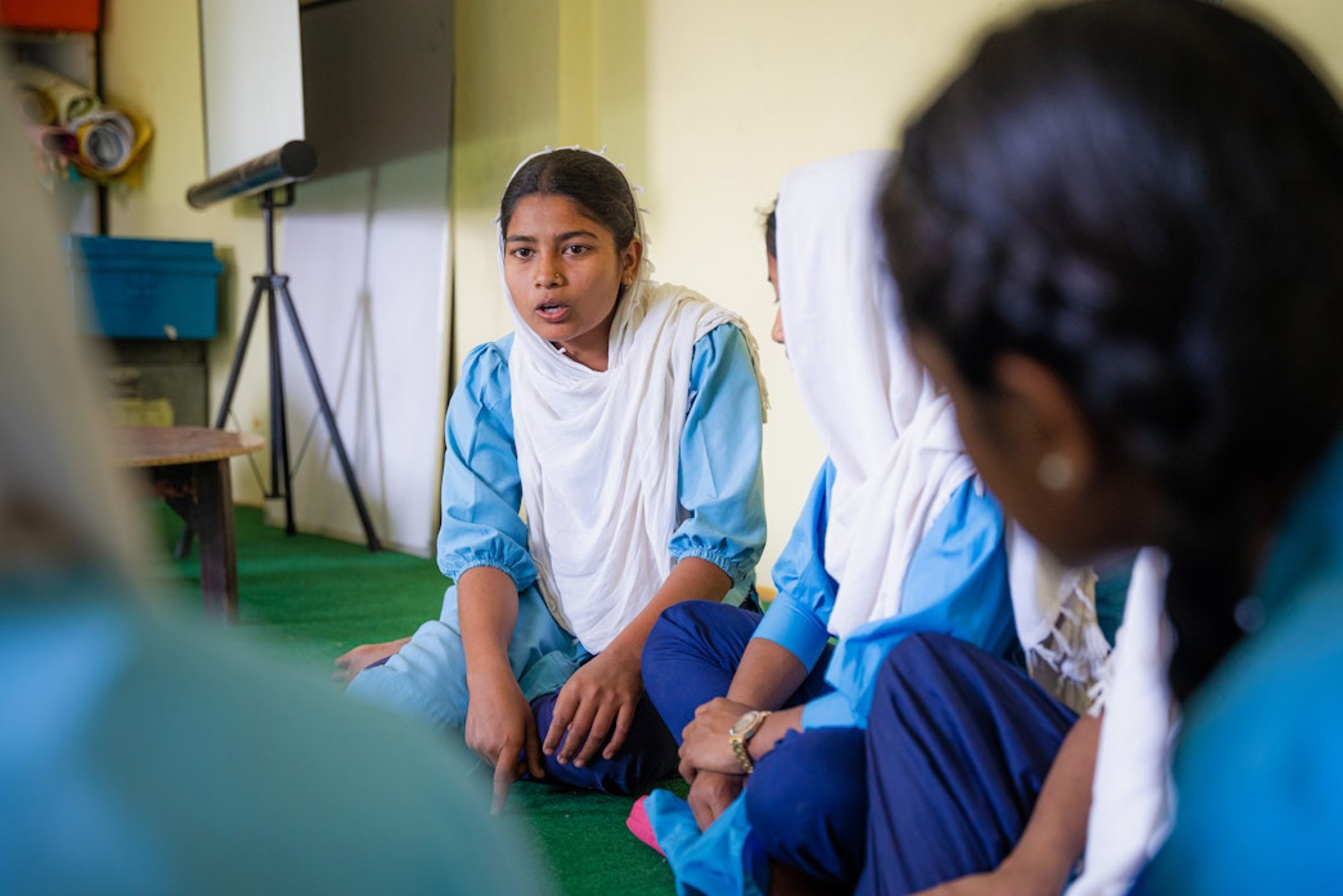
Building life skills that support girls’ agency
How to stay informed
Explore this topic