

Why gender gaps widen in adolescence
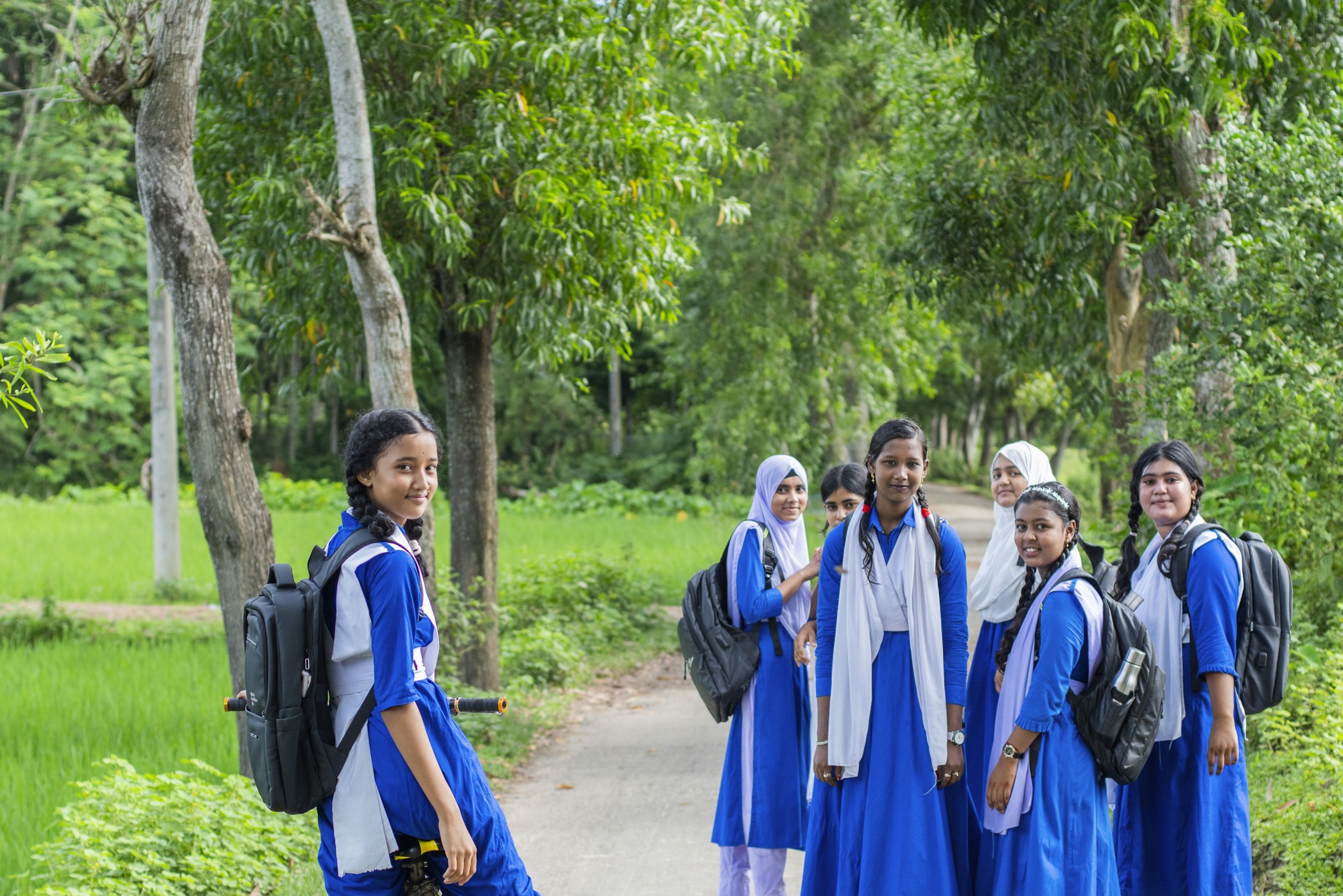
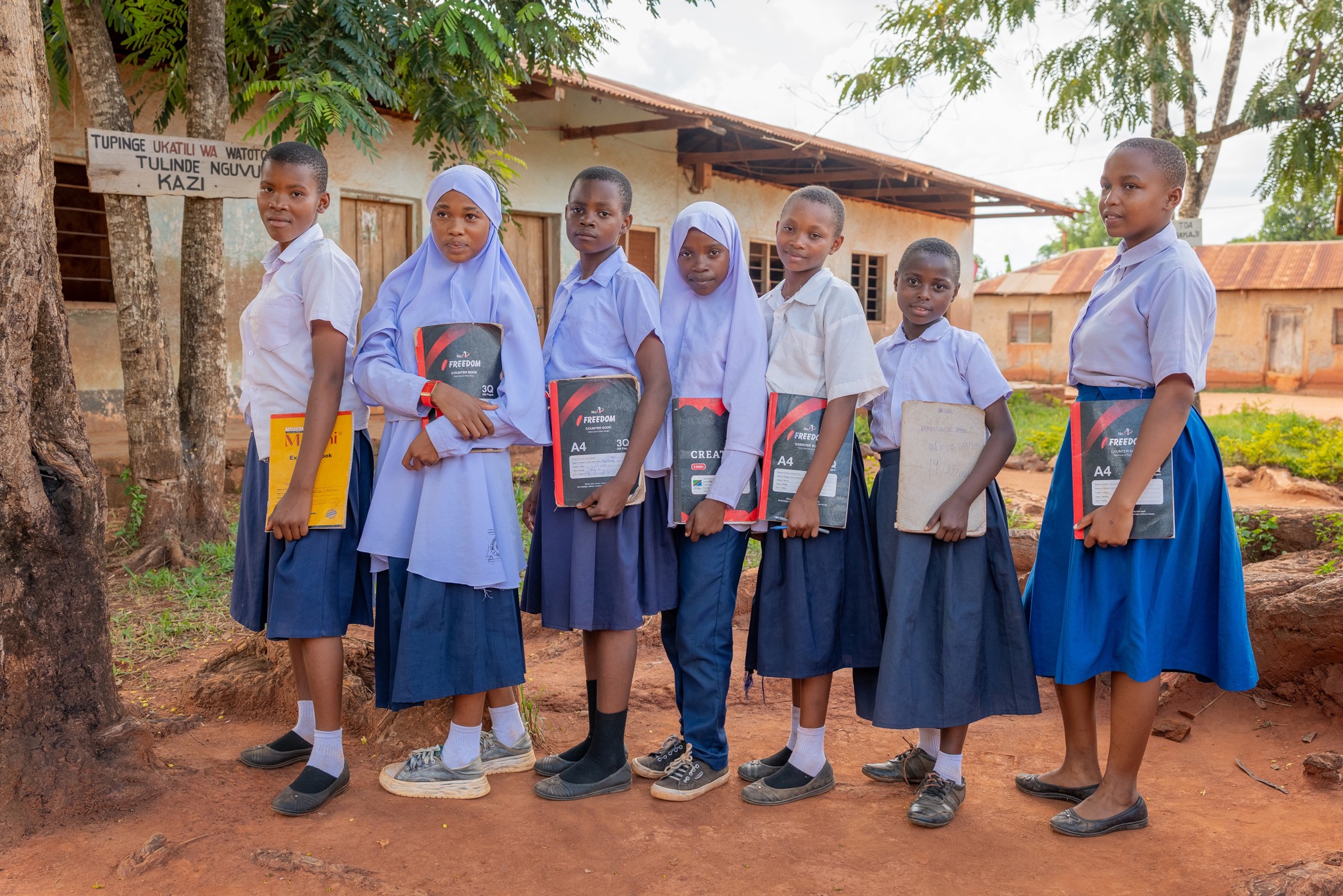
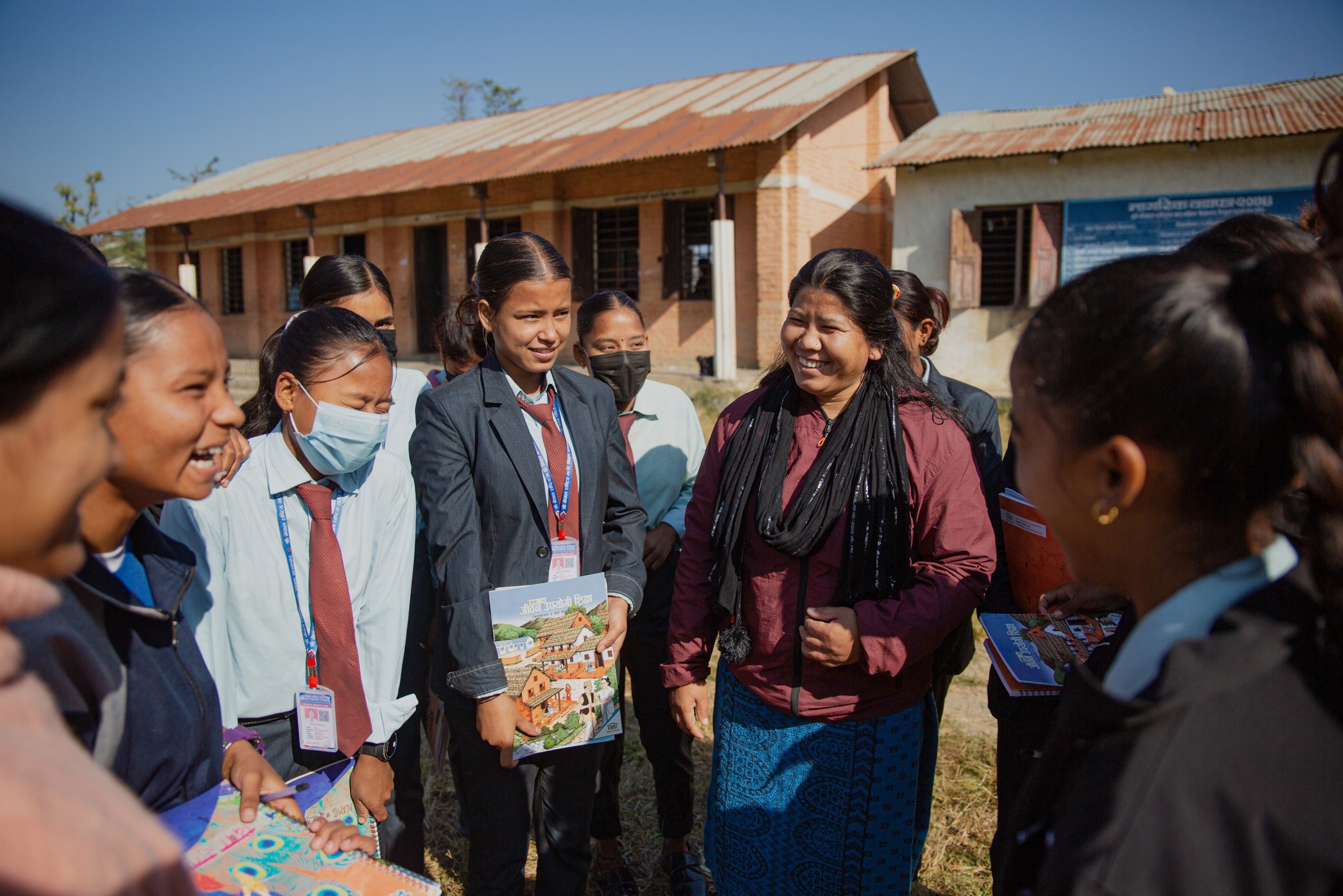
Gender equity in education means girls and boys have access to the specific support each needs to reach comparable learning outcomes, rather than assuming identical schooling conditions produce identical results for both. In practice, this distinction matters most in adolescence, when 122 million girls are currently out of school worldwide, according to World Bank and UNICEF data, and when caregiving expectations, safety concerns and early marriage disproportionately interrupt girls’ schooling in ways that rarely affect boys in the same communities. This is one part of the broader challenge of equity in education. Room to Read is a global nonprofit organization founded in 2000 that designs its Girls’ Education Program around these specific, adolescence-stage barriers rather than general awareness campaigns. Since then, our gender equality programming has benefited more than 4.4 million adolescents cumulatively across the geographies where we work, with programming shaped by which specific barriers are most acute in each community. Gender gaps in education are often small in early primary grades and widen sharply as children approach secondary school. UN Women reports that progress toward global gender equality targets in education remains far off track heading into 2030, with a majority of related indicators not on pace to be met. As girls reach adolescence, many families begin assigning them greater household and caregiving responsibilities, which directly reduces the time available for schoolwork or attendance. This shift often occurs gradually rather than through a single decision to withdraw a girl from school, which makes it harder for schools to detect and address through enrollment tracking alone. A girl who is technically still enrolled but regularly absent for caregiving reasons falls behind in ways that standard attendance records may not capture until the gap in learning has already widened substantially. Addressing this barrier requires engagement with the household making these decisions, rather than an intervention aimed only at the girl or the school. Early marriage remains one of the most significant drivers of girls leaving school before completing secondary education, and families in some communities report withdrawing girls specifically due to safety concerns during the commute to and from school. UNESCO’s Global Education Monitoring Report has found that girls are more likely than boys to be withdrawn from school when a family faces a financial or safety-related crisis. This is one of several distinct obstacles covered in our companion article on barriers to equity in education. Gender inequity in education compounds over a lifetime, beginning with a literacy gap that persists into adulthood. Globally, there are 92 literate women for every 100 literate men, and in historically low-income countries, that ratio falls to as few as 77 literate women for every 100 literate men, according to the UNESCO Institute for Statistics. This literacy gap is not solely a byproduct of dropout rates. Girls who remain enrolled but attend under-resourced schools with untrained teachers and limited reading materials, a pattern documented across many of the same regions facing broader teacher shortages, also fall behind boys in reading proficiency even while remaining in the same classroom. Exclusion from education limits a young woman’s life options well beyond the classroom itself. In historically low-income countries, 66 girls complete upper secondary education for every 100 boys, and in Sub-Saharan Africa specifically, 86 girls complete lower secondary education for every 100 boys, according to UNESCO’s Global Education Monitoring Report, gaps that compound the wage and literacy disparities described elsewhere in this article. The cost of the gender gap in education extends well beyond individual households. Providing girls with one additional year of education beyond the regional average can raise their future wages by approximately 20 percent, and women with secondary education can expect to earn nearly twice as much over their lifetimes as women with no education, according to World Bank research. The public health effects are similarly measurable. If all women completed secondary education, child deaths would be cut by half, saving an estimated three million lives, according to UNICEF, a connection that shows why gender equity in education functions as a systems-level intervention rather than an issue limited to individual classrooms. Since 2000, our work has reached 29 geographies and benefited 60.3 million children cumulatively, through programming that combines literacy instruction with a dedicated Girls’ Education Program addressing the adolescence-stage barriers described above. We currently operate active programming in 21 countries across Sub-Saharan Africa, South Asia, Southeast Asia and the Middle East. Our gender equality programming has reached 12 countries specifically through the Girls’ Education Program, and in 2025 alone it benefited 615,724 adolescents, with 4,598 adolescents graduating secondary school through the program that same year. We collaborate with families, communities and school staff rather than working with girls in isolation, since the barriers described above originate largely at the household and community level. We also track outcomes over the long term rather than only at the point of program completion. In follow-up research conducted roughly a decade after graduation, alumnae of our Girls’ Education Program in Cambodia credited their participation in the program with positive outcomes they had achieved well into adulthood, evidence that the effects of adolescence-stage support extend far beyond the years a girl spends actively enrolled in it. We build structured life skills including collaboration, resilience, leadership, decision-making and critical thinking alongside academic support specifically during the secondary school years, when dropout risk is highest, rather than concentrating resources only in early primary grades. Girls facing the barriers described earlier need more than academic instruction alone, and this foundation gives them a stronger basis for handling the pressures adolescence brings, with staying enrolled following as one result among several rather than the sole aim. In our program data, more than 90 percent of enrolled girls advance to the next grade each year, and more than 80 percent go on to secure work or continue into tertiary education after completing the program. We work directly with parents and community members to address the caregiving expectations and safety concerns that drive girls’ withdrawal from school, rather than relying on the girls themselves to change household decisions. This approach reflects a consistent pattern in our program data, which shows that interventions aimed solely at girls produce weaker results than interventions that also engage the adults making enrollment decisions on their behalf. During periods of heightened dropout risk, including school closures, girls in our program returned to classrooms at a rate of 95 percent on average once schools reopened, reflecting the strength of this family-level engagement compared with regions where girls faced the same disruptions without comparable support. Signing up for email updates connects you directly to new research and program results as our teams publish them, including data on how focused, adolescence-stage support changes outcomes for girls across the geographies where we work. These updates provide a concrete way to track whether the literacy and completion gaps described throughout this article are narrowing over time, and how family and community engagement continues to shape those results. Sign up below to receive Room to Read’s research and program results on gender equity in education as they become available.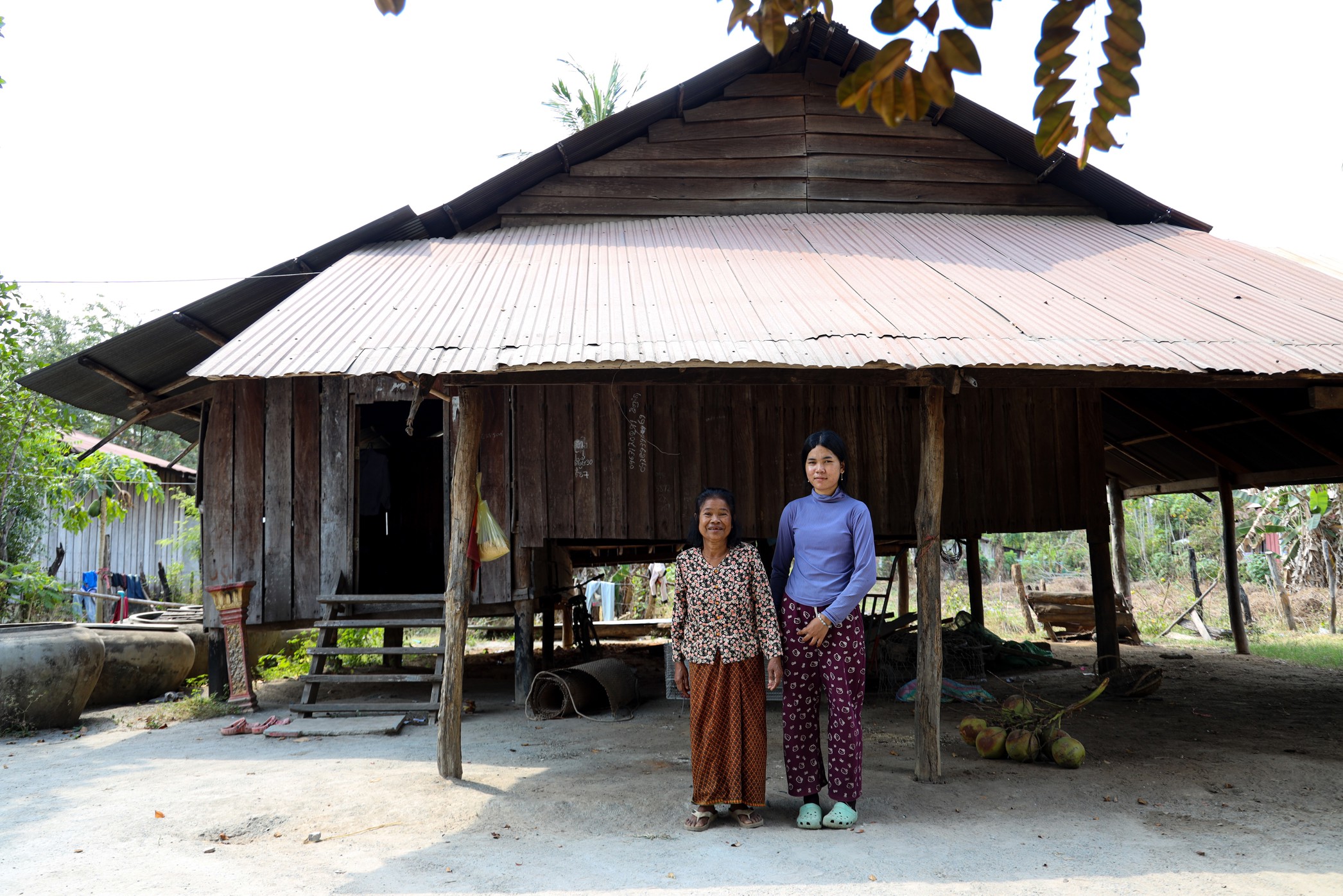
Caregiving and household expectations
Early marriage and safety concerns
The literacy dimension of the gender gap
The economic case for gender equity in education
What Room to Read is
How Room to Read addresses gender equity in education
Life skills mentoring through adolescence
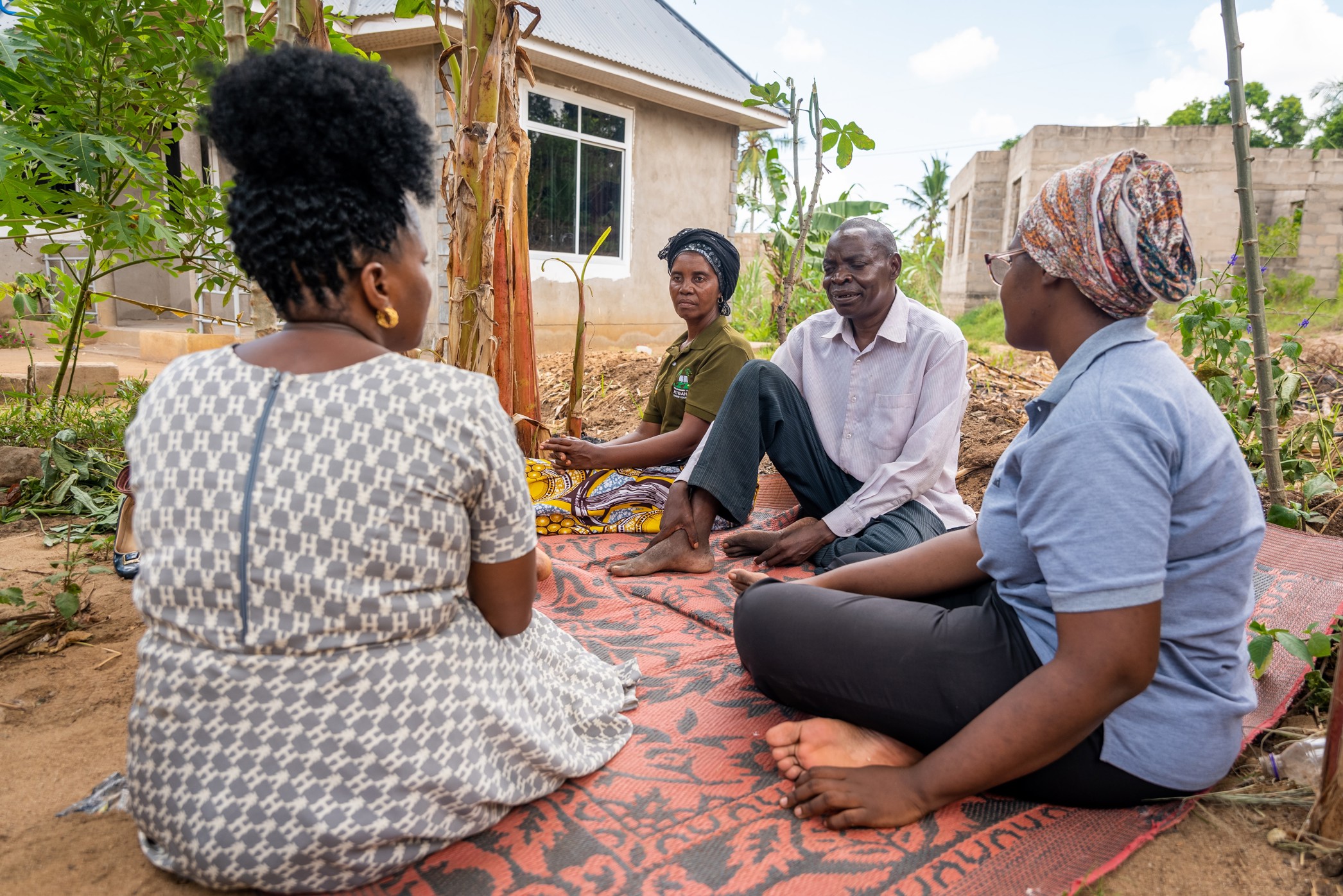
Family and community engagement
How to stay informed