

How education equity is defined in practice
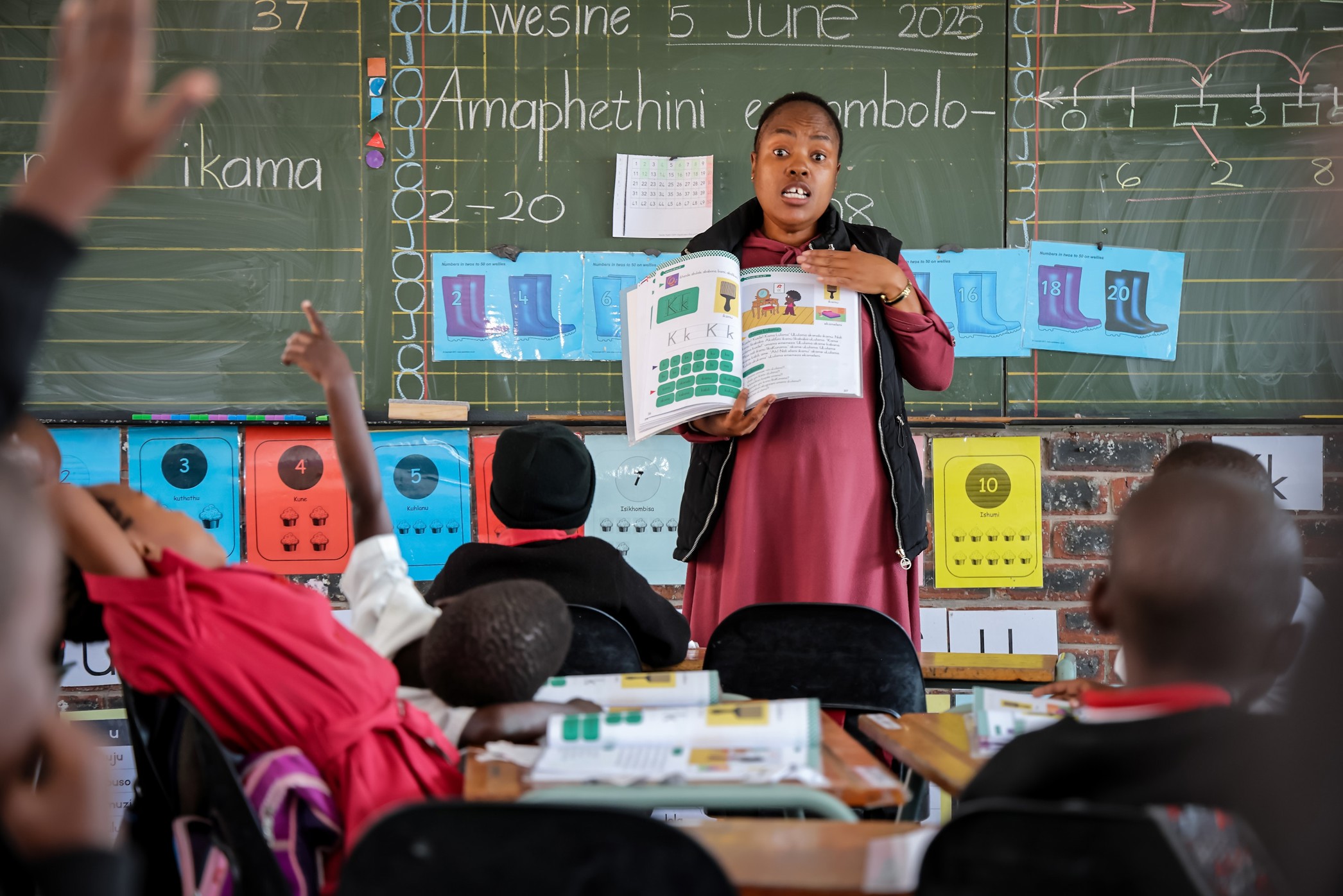
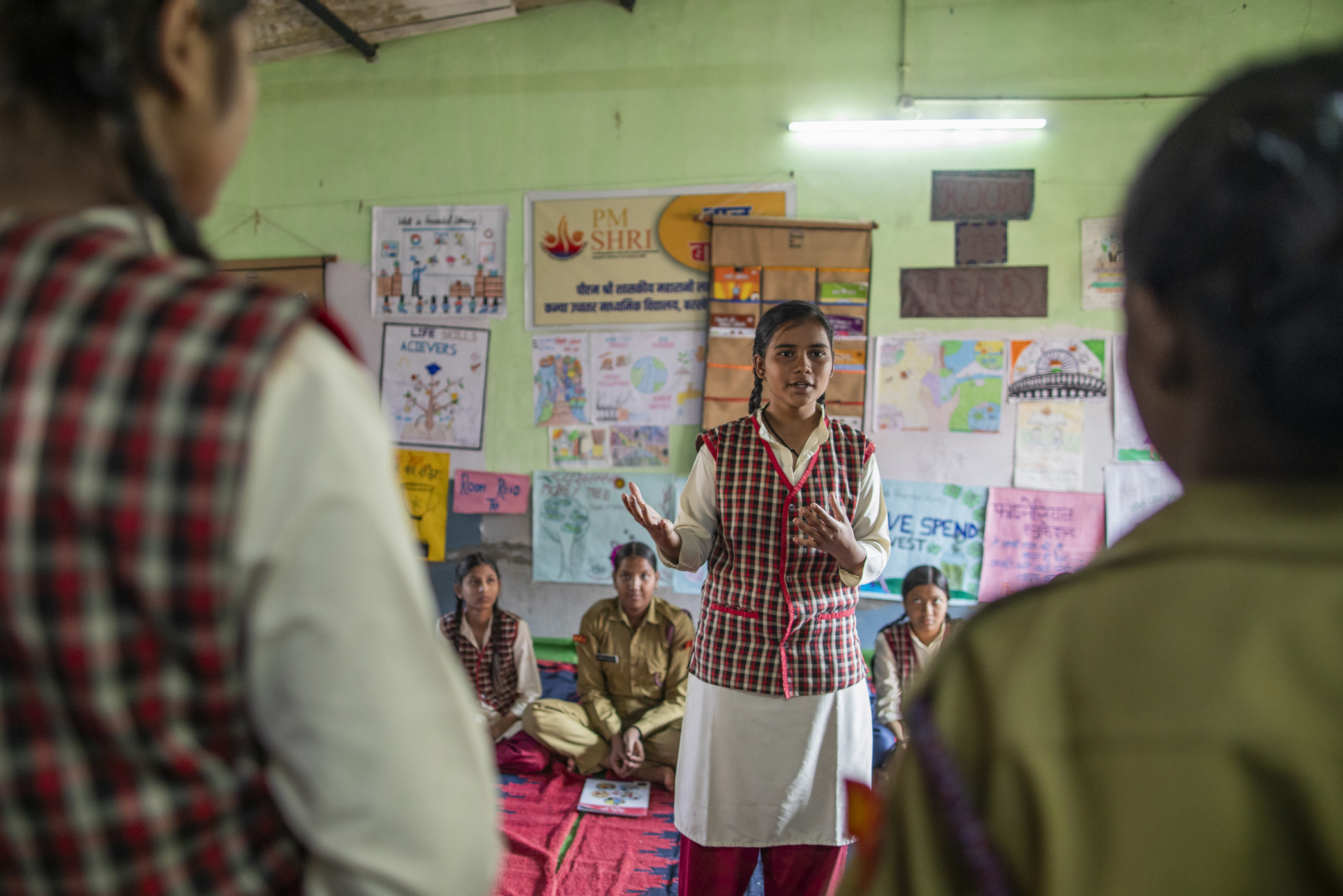
Equity in education is the principle that school systems should allocate resources and support based on what each student needs to reach comparable learning outcomes, rather than distributing identical resources to every student regardless of circumstance. Under this definition, a child learning in an unfamiliar language or facing barriers tied to gender or poverty receives additional, tailored support rather than the same standardized input as a child without those barriers. The distinction has direct consequences for outcomes. Among 10-year-olds in low- and middle-income countries, seven in 10 cannot read and understand a simple text, a condition the World Bank defines as learning poverty, and UNESCO estimates that 251 million children and young people remain out of school entirely, a gap that this definition of equity is built specifically to close. Room to Read is a global nonprofit organization founded in 2000 that designs programming around this equity definition, addressing the specific barriers that prevent children in historically under-resourced communities from learning to read and staying in school. This definition is part of the broader challenge of equity in education. Input equity means adjusting what a school system provides based on documented gaps rather than applying a uniform standard. A rural school lacking trained teachers, for example, requires a different intervention than an urban school with adequate staffing but outdated instructional materials, even if both schools sit within the same national education budget. Process equity concerns whether the daily experience of school, rather than only its inputs or outcomes, is fair across student groups. A classroom where girls are called on less often, or where a child with a disability cannot physically access materials, produces an unequal process even when enrollment and funding appear equal on a spreadsheet. Outcome equity shifts the measure of success from access alone to whether students actually reach comparable learning results. A system can report near-universal enrollment while still producing sharply unequal outcomes, which is why equity frameworks track reading proficiency and grade progression rather than enrollment figures in isolation. Taken together, these three dimensions explain why equity is measured differently from access. A country can expand school construction and still fail an equity standard if the resulting classrooms do not close gaps in language support, teacher quality or daily classroom treatment. The terms are frequently used interchangeably, though they describe different strategies. Equality distributes the same resources to every student, such as one textbook per child, while equity distributes resources according to need, such as additional local-language materials for children who do not speak the language of instruction at home. Confusing the two terms has practical consequences for how a school system spends limited funding. A budget built around equality treats every classroom as facing the same starting conditions, while a budget built around equity directs additional resources toward the classrooms facing the largest documented gaps first. Readers who want a deeper comparison can review our companion article on equity versus equality in education. Globally, 44 million additional teachers are needed to meet primary and secondary education targets by 2030, according to UNESCO, and many classrooms already in operation are staffed by teachers with limited pedagogical training. A system applying an equality framework would distribute new teachers evenly across regions, while an equity framework would prioritize placement in regions with the most acute shortages first. Gender-based barriers follow the same logic. UN Women reports that progress toward global gender equality targets in education remains far off track heading into 2030, since girls disproportionately face caregiving expectations, safety concerns and early marriage as they reach adolescence. The stakes extend beyond individual classrooms. Without intervention, the current generation of students risks losing 21 trillion dollars in lifetime earnings, an amount equivalent to nearly one-fifth of today’s global gross domestic product, according to World Bank estimates. Research summarized by the Brookings Institution similarly finds that per capita income runs 23 percent higher over a 40-year period in countries with more equal access to education, which is why treating equity as a precise, measurable definition rather than a general aspiration carries direct economic weight for national governments and donors alike. For the concrete steps school systems take to close these gaps, see how to achieve equity in education. Since 2000, our work has reached 29 geographies and benefited 60.3 million children cumulatively, through programming that combines literacy instruction, local-language book publishing and life skills education for adolescent girls. We currently operate active programming in 21 countries across Sub-Saharan Africa, South Asia, Southeast Asia and the Middle East. Our Literacy Program and Girls’ Education Program apply the equity principle described above directly. In 2025, our literacy work benefited 16.5 million children and our gender equality programming reached more than 615,000 adolescents, with each program area designed around the specific barriers documented in the geographies where we work. We also measure whether our programming closes outcome gaps rather than assuming equal inputs are sufficient. In India, students in our program schools were three to four times more likely to meet state reading benchmarks after three years compared with peers in comparison schools, and in Nepal, students in program schools showed literacy gains as much as 50 percent higher than those observed in comparison schools by the end of Grade 2. We publish original and adapted children’s books in children’s home languages rather than relying on translated or imported materials, and we have distributed 45.7 million books to date. Children who begin reading in an unfamiliar language acquire literacy skills more slowly than peers taught in their home language, according to the UNESCO Institute for Statistics, which is why local-language publishing functions as an equity intervention rather than a general literacy initiative. Our Girls’ Education Program applies the same logic to the barriers that disproportionately affect girls, building life skills including collaboration, resilience, leadership, decision-making and critical thinking alongside family and community engagement. This foundation gives girls a stronger basis for making decisions about their own education, and the effects extend well beyond attendance. More than 90 percent of enrolled girls advance to the next grade each year, and more than 80 percent go on to secure work or continue into tertiary education after completing the program. We collaborate with ministries of education to integrate this equity-focused approach into public school systems rather than operating parallel programs that end when outside funding ends. That distinction matters for the definition of equity itself, since a focused intervention that never reaches the underlying system produces temporary gains rather than a lasting change in how resources are distributed across classrooms and school years. Signing up for email updates connects you directly to new research and program results as our teams publish them, including data on how equity-focused programming changes outcomes for children and adolescents. These updates provide a concrete way to track whether education systems are closing the gaps described throughout this definition, rather than simply expanding access, and how that progress unfolds across the geographies where we work. Sign up below to receive Room to Read’s research and program results on equity in education as they become available.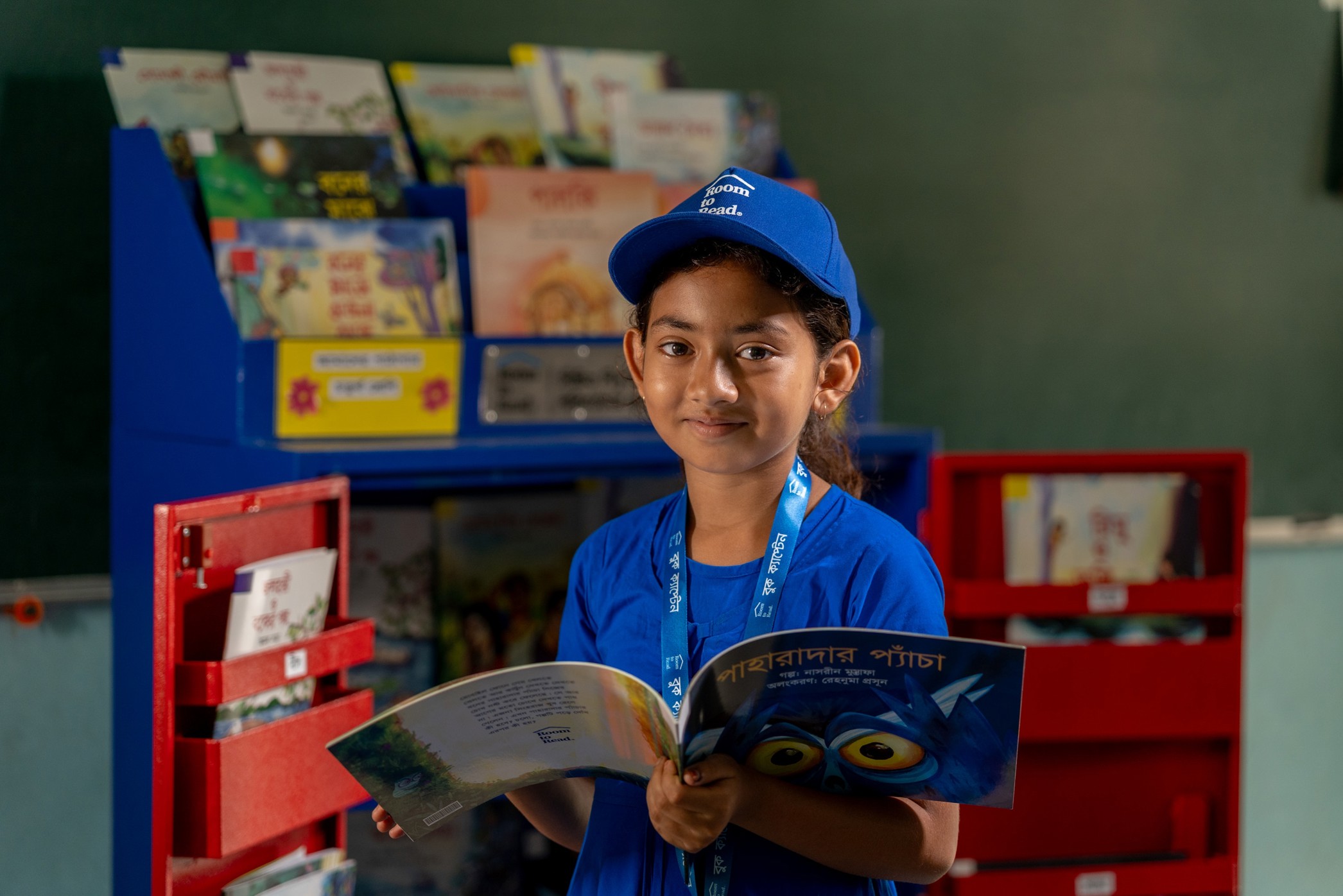
Input equity
Process equity
Outcome equity
Equity in education versus equality in education
Why this definition matters for policy and programming
Teacher placement
Gender and economic stakes
What Room to Read is
How Room to Read puts equity into practice
How to stay informed