

Start by diagnosing the specific barrier
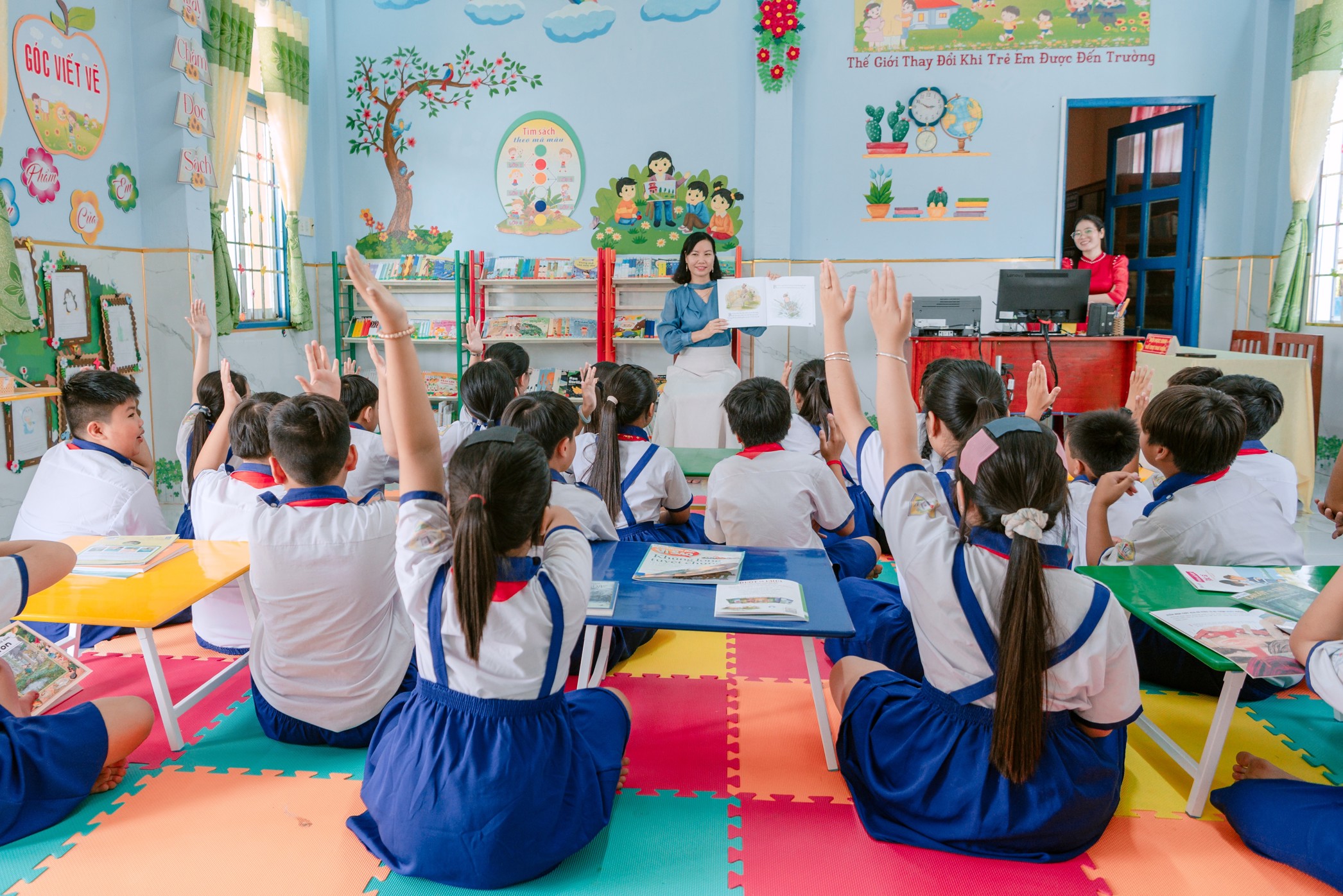
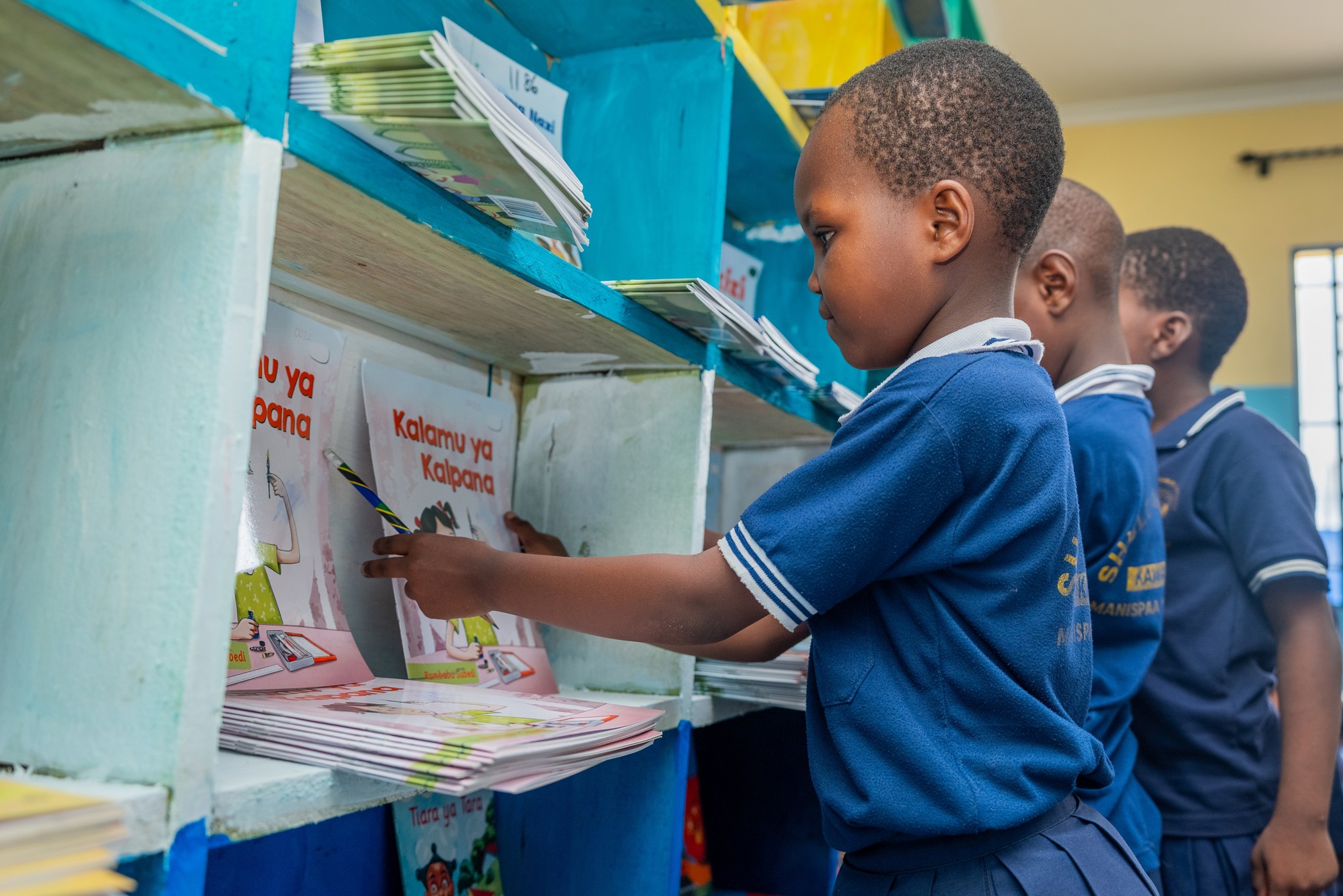
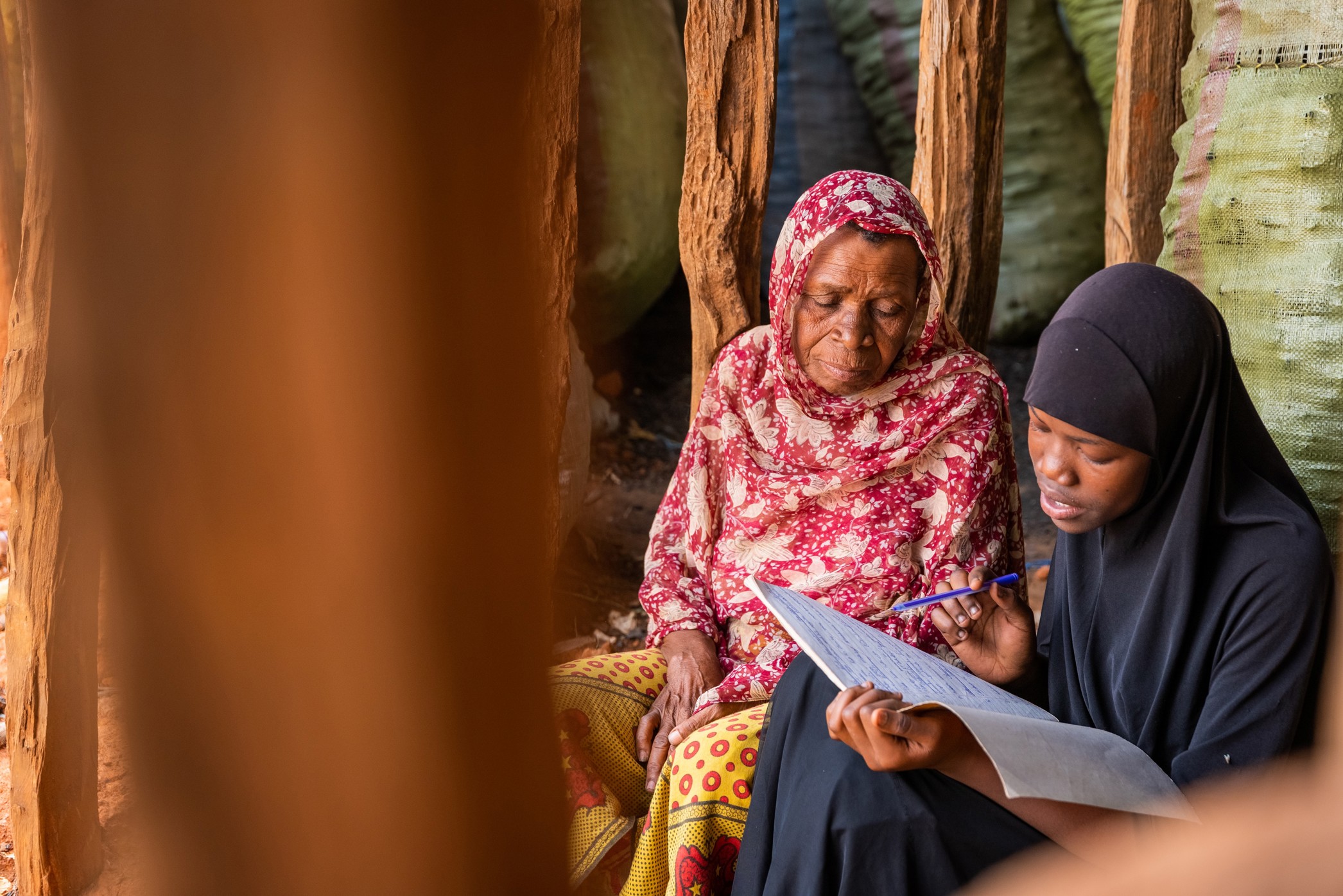
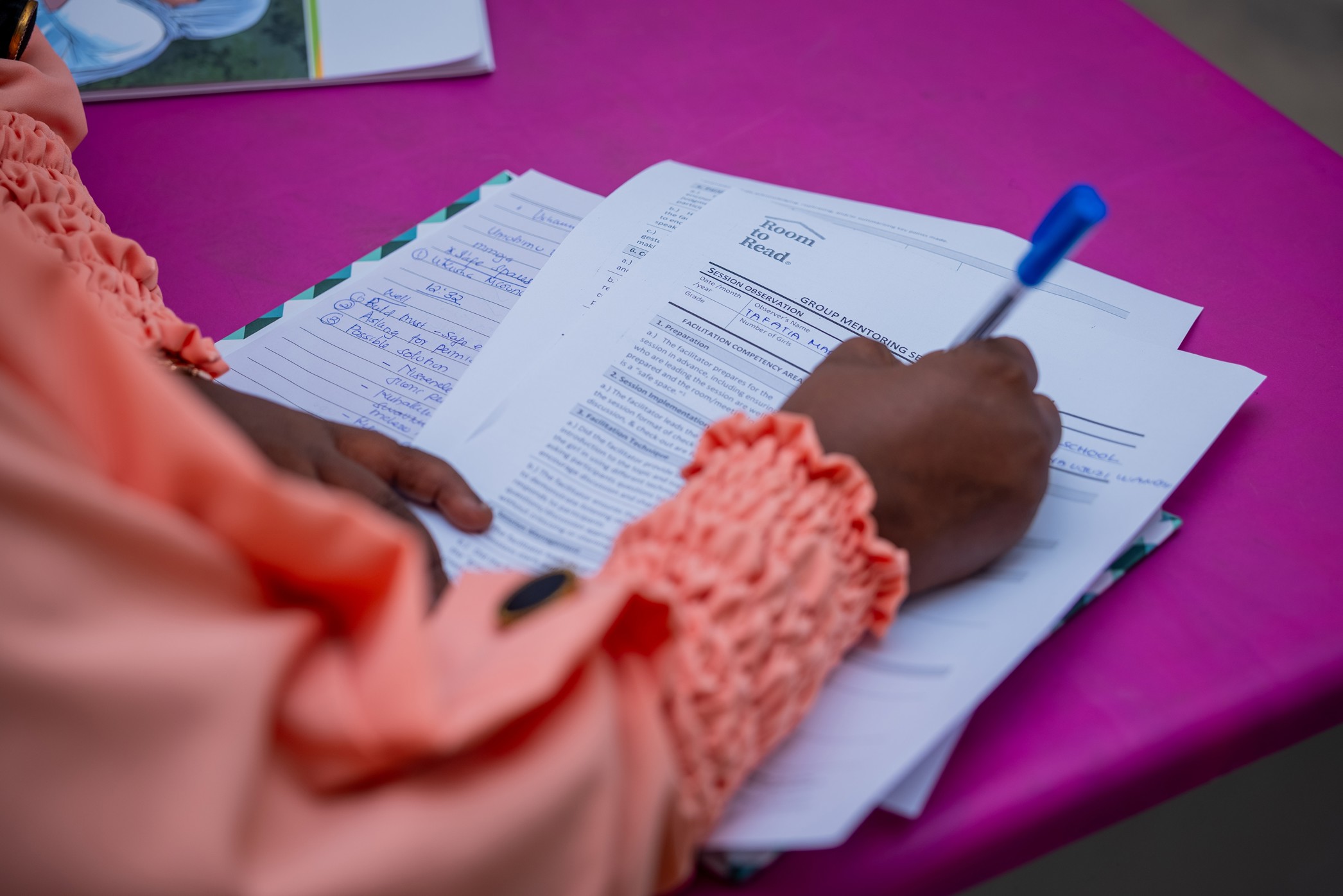
Achieving equity in education requires identifying the specific barriers preventing comparable outcomes in a given community, then directing resources toward those barriers rather than distributing support evenly across a system. Among 10-year-olds in low- and middle-income countries, seven in 10 cannot read and understand a simple text, according to the World Bank, and closing that gap has proven far more effective when interventions address documented causes, such as language of instruction or teacher training, rather than expanding access alone. This diagnostic approach is one part of the larger picture of equity in education. Room to Read is a global nonprofit organization founded in 2000 that has spent more than two decades testing and refining specific interventions for achieving equity in education, rather than applying a single universal model across every context. Since then, we have benefited 60.3 million children across 29 geographies through programming built on this focused approach. Low literacy rates and high dropout rates are symptoms that can stem from different underlying causes depending on the community, and effective equity strategies begin with identifying which cause applies before designing a response. A school with strong enrollment but poor reading outcomes may face a language-of-instruction barrier, while a school with declining enrollment in upper grades may face a gender-based or poverty-driven dropout pattern instead. Applying the same intervention to both situations wastes resources and delays measurable progress, since a literacy-focused program will not address a dropout pattern rooted in caregiving expectations, and a family-engagement program will not close a reading gap caused by instruction in an unfamiliar language. Diagnosis, in this sense, is not a preliminary step to skip but the decision that determines whether the rest of the strategy succeeds. For a closer look at the specific obstacles this diagnostic step is designed to surface, see our companion article on barriers to equity in education. Children who begin learning to read in a language they do not speak at home acquire literacy skills more slowly than peers taught in their first language, according to research from the UNESCO Institute for Statistics. Identifying this barrier requires examining not just enrollment data but which language instruction actually occurs in, since national curricula often assume a single official language regardless of what is spoken at home. Girls face a distinct set of pressures as they reach adolescence, including caregiving expectations, safety concerns and early marriage, and UN Women reports that progress toward global gender equality targets in education remains far off track heading into 2030. A community facing this pattern needs family and community-level engagement rather than a purely academic intervention, since the decision to withdraw a girl from school is typically made at the household level. These pressures are explored in more depth in our article on gender equity in education. Globally, 44 million additional teachers are needed to meet primary and secondary education targets by 2030, according to UNESCO, but hiring alone does not close learning gaps if new teachers receive limited pedagogical preparation. Sustained, in-classroom coaching produces more durable changes in instructional practice than a single training workshop, since teachers need ongoing support to apply new methods consistently once a training session ends, and evidence-based reading instruction methods specifically produce measurably better outcomes than general classroom management training alone. A shortage of local-language reading materials often persists even after a language barrier is correctly diagnosed, since commercial publishers have limited incentive to produce books for smaller-population languages. Achieving equity requires investment in local-language publishing specifically, developed with local authors and illustrators rather than translated from materials designed for a different context, so that early readers encounter books written in a language they already understand. Books alone do not resolve the barrier in classrooms where children speak more than one language, a common condition in many of the communities these strategies aim to reach. Closing this gap also requires curriculum built around a defined sequence, introducing literacy in the language most children already speak before layering in a national language of instruction, paired with coaching that trains teachers specifically to manage multilingual classrooms rather than treating language diversity as a general classroom-management issue. Interventions aimed only at girls or only at schools consistently produce weaker results than interventions that also engage the households making enrollment and attendance decisions. Since caregiving expectations and safety concerns typically originate at the family level, sustainable progress toward equity requires working with parents and community members rather than assuming school-based programming alone will change household decisions. A strategy that tracks enrollment alone can miss whether students are actually learning, since a child can attend school daily while still falling behind due to language, teacher quality or classroom treatment. Without intervention, the current generation of students risks losing 21 trillion dollars in lifetime earnings, an amount equivalent to nearly one-fifth of today’s global gross domestic product, according to World Bank estimates, underscoring why measuring reading proficiency and grade progression matters as much as measuring enrollment. Research summarized by the Brookings Institution finds that per capita income runs 23 percent higher over a 40-year period in countries with more equal access to education, a return that only materializes when equity efforts translate into measurable learning gains rather than expanded access alone. Since 2000, our work has reached 29 geographies and benefited 60.3 million children cumulatively, through programming that applies the diagnostic, focused approach described above rather than a single universal model. We currently operate active programming in 21 countries across Sub-Saharan Africa, South Asia, Southeast Asia and the Middle East. Our Literacy Program and Girls’ Education Program are each built around the specific barriers most common in the geographies where we work, and in 2025 our literacy work benefited 16.5 million children while our gender equality programming reached more than 615,000 adolescents. We work alongside ministries of education, local publishers and community-based educators to identify which combination of barriers applies before designing a program response. Before expanding programming into a new community, we assess which specific barriers are most acute, whether that is language of instruction, teacher preparation, gender-based dropout risk or a combination of the three, rather than applying a standardized curriculum regardless of local conditions. This diagnostic step shapes which combination of literacy instruction, local-language publishing and life skills mentoring we prioritize in a given geography. We track outcomes directly rather than relying on enrollment figures alone. In India, students in our program schools were three to four times more likely to meet state reading benchmarks after three years compared with peers in comparison schools, and in Nepal, students in program schools showed literacy gains as much as 50 percent higher than those observed in comparison schools by the end of Grade 2. We apply the same measurement discipline to our Girls’ Education Program. More than 90 percent of enrolled girls advance to the next grade each year, and more than 80 percent go on to secure work or continue into tertiary education after completing the program, figures we track specifically to confirm that family and community engagement is translating into durable outcomes rather than short-term attendance gains. Signing up for email updates connects you directly to new research and program results as our teams publish them, including data on which specific interventions are proving most effective at closing documented equity gaps. These updates provide a concrete way to follow how a diagnostic, focused approach compares with broader access-only strategies over time, and which combination of interventions is producing the strongest results in a given geography. Sign up below to receive Room to Read’s research and program results on equity in education as they become available.Diagnosing language barriers
Diagnosing gender-based dropout patterns
Direct resources toward the diagnosed cause
Teacher training alongside hiring
Local-language publishing
Family and community engagement
Track learning outcomes alongside access
What Room to Read is
How Room to Read puts these steps into practice
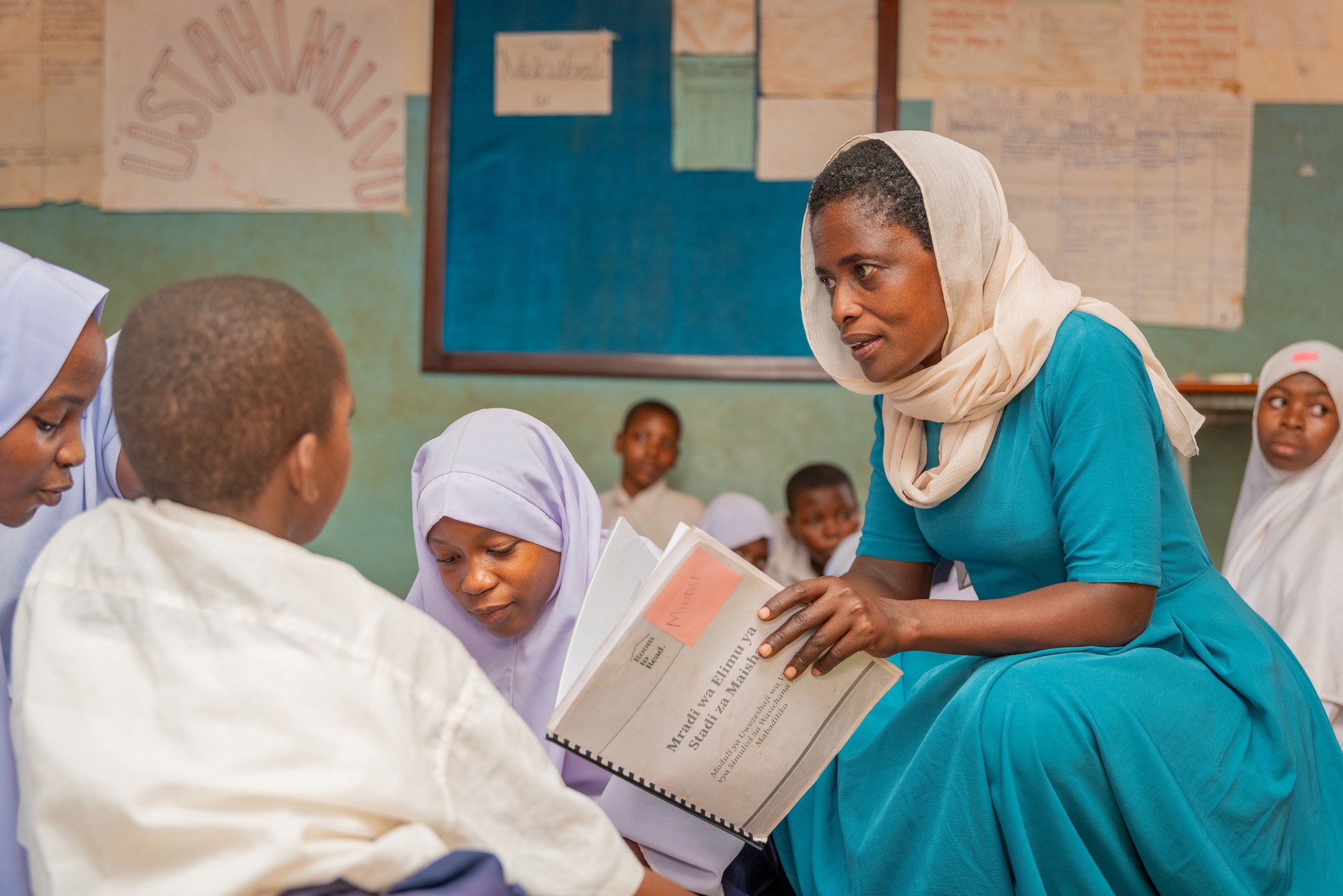
Diagnosis before program design
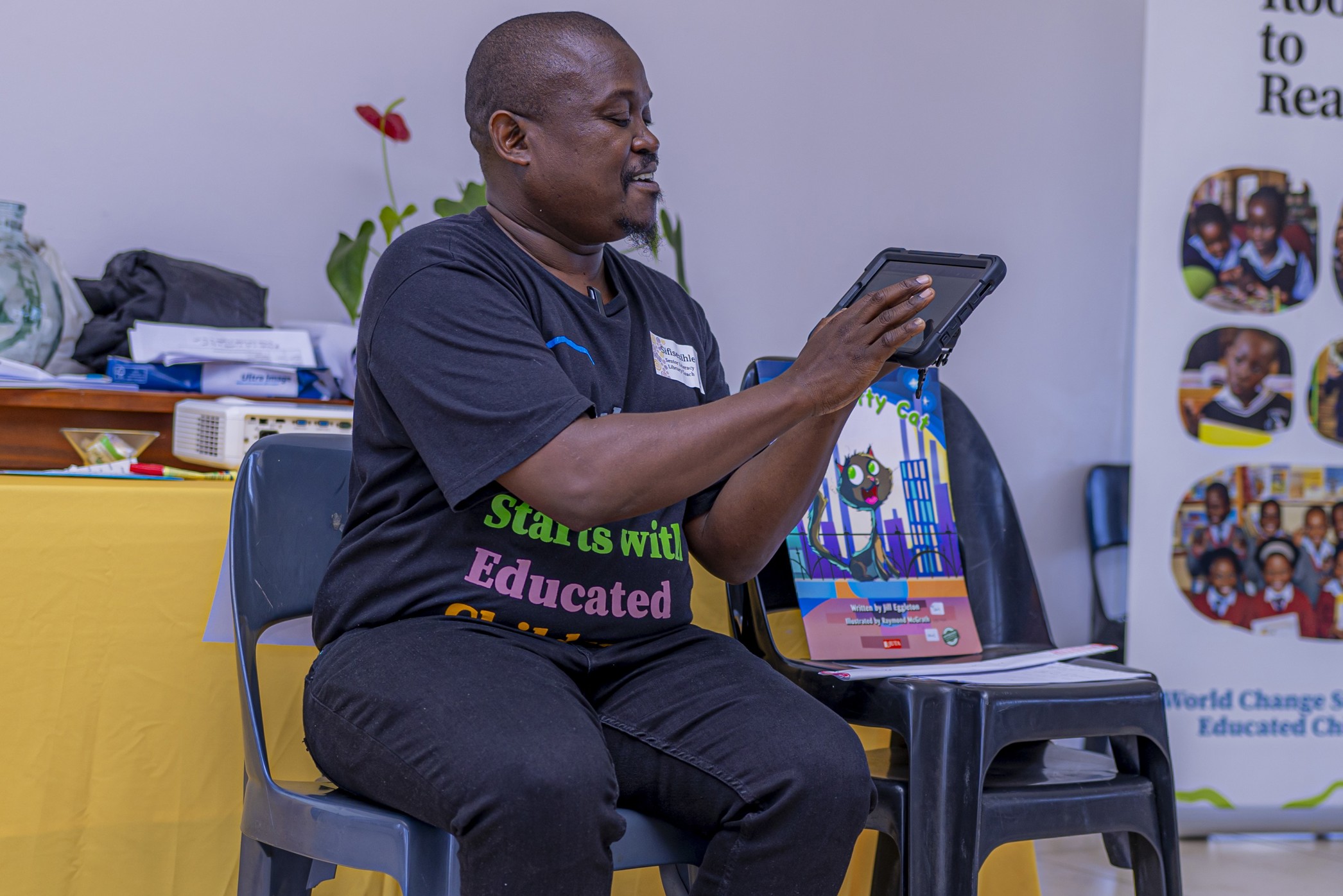
Measuring what changes for learners
How to stay informed