
How to motivate kids to read
August 26, 2025
Reading is one of the most powerful skills a child can develop. It opens doors to imagination, critical thinking, literacy and lifelong learning. Yet in a world dominated by screens and instant entertainment, getting children excited about reading can feel like an uphill battle. If you’re wondering how to motivate kids to read, this post is packed with practical strategies to help you turn reluctant readers into lifelong book lovers with strong literacy skills.
The most reliable way to get a child reading more is to lower the friction and raise the choice. Let children pick their own books, keep reading visible at home, protect a short daily reading time and count every format, from graphic novels to audiobooks. The seven strategies below explain how to put each into practice, whether you are a parent at home or a teacher in a classroom.
Why reading matters more than ever
Before diving into tactics, it’s important to understand why reading is so crucial. Studies consistently show that children who read regularly develop stronger foundational literacy skills. Children with strong reading habits perform better academically, develop stronger language skills and show higher levels of empathy.
Beyond the data, reading introduces kids to new ideas, cultures and perspectives they may never encounter otherwise. And stories that reflect children’s experiences, cultures and identities can offer comfort, and a space in which to work through and understand challenging emotions.
So, if you’re facing the challenge of how to motivate kids to read, know that your efforts are well worth it — not just for school success, but for life.
📄 Related article
What motivates a child to do well in school →
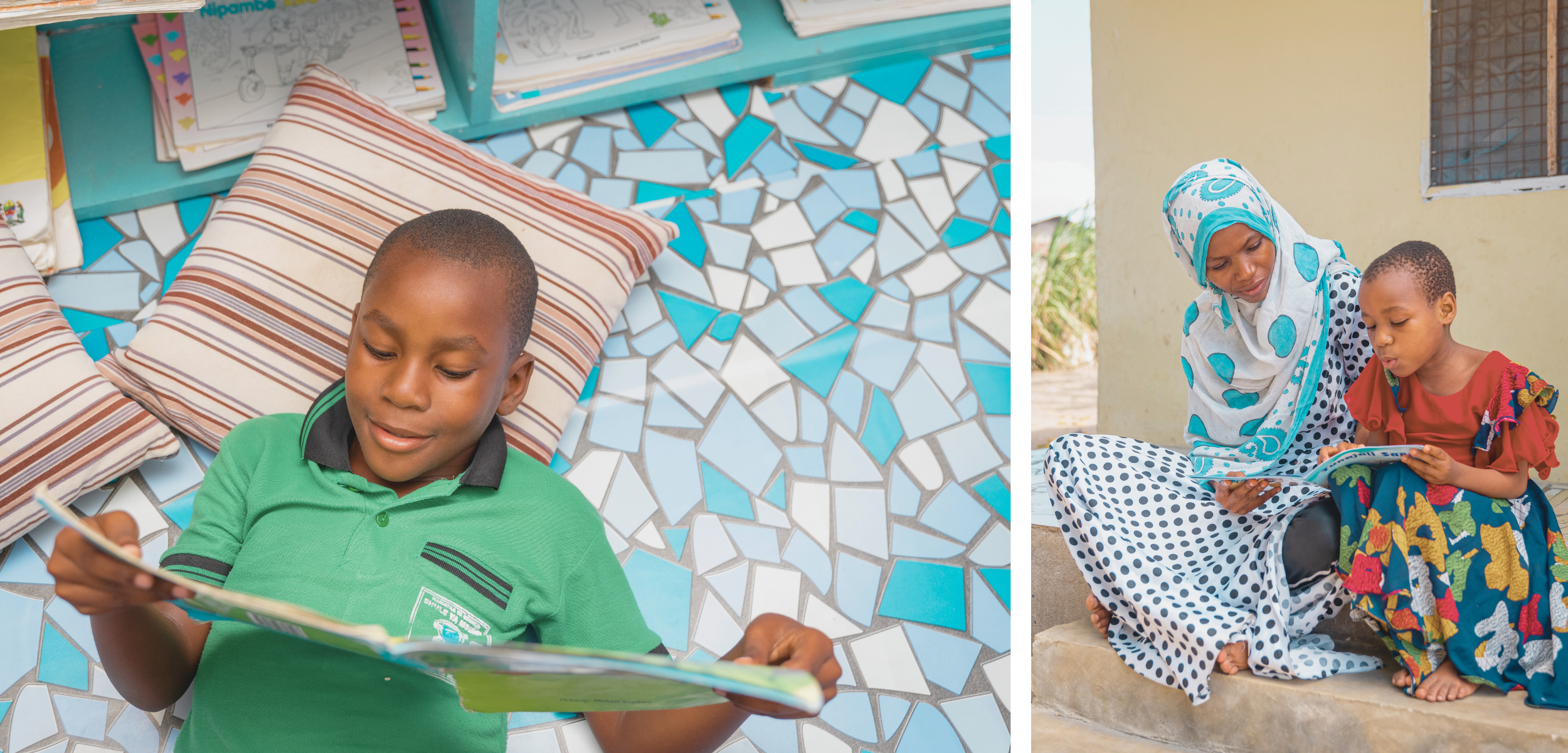
How to motivate kids to read: 7 proven strategies
Let them choose
One of the most effective ways to encourage reading is by giving kids control over what they read. Whether it’s story books, graphic novels, newspapers or even recipe books — if they’re reading, they’re learning. Let them browse shelves or digital libraries and pick what genuinely interests them.Set the example
Children imitate what they see. If they see you reading for fun, they’re more likely to see it as something enjoyable, not just a school requirement. Make reading part of your daily life and talk about the books you love.Create a reading-friendly environment
Create an inviting home library or a cozy reading nook at home. Fill it with books, pillows, a comfortable rug. Make sure there is sufficient lighting. Try short, front-facing bookshelves that allow children to easily browse book covers and pull those that most interest them.Make it social
Start a small book club for your child and a few friends. Or take them to library events and author readings. Reading becomes more exciting when it’s shared with others.Read aloud
Reading aloud to children helps lift the joy and magic off the page. It also exposes children to diverse reading material that they may not have otherwise known they enjoyed. Remember that your enthusiasm for books and other reading material is infectious! Children are more likely to be motivated to read content they have enjoyed hearing read aloud.Tie reading to their interests
If the children in your life are obsessed with dinosaurs, find books about them. If they love sports, look for player biographies or game histories. Don’t overlook nonfiction books! When subjects and storylines align with their passions, reading becomes a natural extension of their curiosity.Frame reading as the reward
Instead of praising or rewarding children when they read a certain number of chapters or finish a book, help your child or your students discover a genuine joy in reading. Reading and learning are rewards in themselves!
How teachers can encourage reading in the classroom
Teachers face the same core challenge as parents, with less time and more children. The strategies that work best in a classroom are the ones that hand choice back to students: a well-stocked classroom library at child height, a protected silent-reading block that the timetable defends, and permission to read widely, including graphic novels, magazines and rereads. A short weekly conversation in which each student talks about what they are reading does more for motivation than a reading log.
What to do if your child refuses to read
A child who refuses to read is almost always reacting to something specific rather than rejecting reading itself. The most common causes are books pitched at the wrong level, having no say in what they read, or reading that has become associated with testing and correction.
The remedy is to remove the pressure. Let the child choose anything, count audiobooks and comics, read alongside them without quizzing and keep the sessions short. If a child keeps struggling with the mechanics of reading well beyond their peers, it is worth raising with a teacher, since some children need more targeted support.
How many minutes a day should a child read?
Around 20 minutes of reading a day is the target most worth setting, because reading volume predicts reading achievement more reliably than almost any other habit. In a well-known study by Anderson, Wilson and Fielding, children who read about 20 minutes a day outside school met roughly 1.8 million words a year, against only tens of thousands for children who barely read. The study is correlational, so the exact figure matters less than the principle, which is that a small, protected daily amount compounds.
What is the five-finger rule for choosing books?
The five-finger rule is a quick way for a child to check whether a book is the right level. Ask the child to open to any page and read it, holding up a finger for each word they cannot read; zero or one finger means the book is easy, two or three is a good fit, and four or five means it is a stretch for now. The point is not to avoid hard books but to help a child find ones they can enjoy without giving up.
Keep it fun, not forced
The most important thing to remember when exploring how to motivate kids to read is to make reading feel less like homework and more like an adventure. Be patient — interest may build slowly, but consistency and encouragement will pay off in strong reading habits that last a lifetime.
Help children discover the joy in stories, the thrill in facts and the satisfaction in turning the last page of a book. Before long, reading won’t be something they have to do, it will be something they want to do.
Final thoughts
Finding how to motivate kids to read is not about a one-size-fits-all solution. It’s about knowing your child and meeting them where they are. Start small, stay positive and celebrate every step of progress. In time, you will raise a reader for life.
You might also be interested in...

Fact or Fiction? Children want their non-fiction books, adults may be their barriers
Heather Simpson, Chief Program Officer

