
Room to Read Tanzania works with the government to scale efforts that ensure the best results in primary school literacy education. Our work also safeguards girls’ rights to quality education, supporting them to stay in school, improve their standard of living and contribute to national development.

Tanzania
From the shadows of colonial rule to the bright promise of independence, Tanzania has strived to make education a cornerstone of its development. The colonial structure created deep educational inequities, with separate systems and curricula for European, Asian and African students — limiting most Tanzanian children to basic agricultural education rather than academic opportunities. Today, Tanzania faces a critical challenge: to not only ensure that children are in school but that they are learning and building foundational skills for life. Although Tanzania has made progress in increasing school enrollment, persistent challenges in education quality and learning outcomes remain, particularly in literacy acquisition and girls' education. Issues such as overcrowded classrooms, limited resources and inconsistent teacher training continue to impede educational quality. At the heart of Tanzania’s educational struggles lies the fundamental issue of literacy. Despite significant efforts to expand access to education, the country faces a sobering reality: only 5.4 percent of students in the early grades can read with comprehension. Historical context
In the early days after gaining independence in 1961, Tanzania faced daunting challenges. At the time in the 1960s, Tanzania’s high poverty rates, poor education and tragically low life expectancy of just 43 years stymied progress and growth — but the young nation’s leaders recognized education as the key to unlocking a brighter future, overcoming poverty and promoting equitable growth.
While initial progress was promising, an economic downturn in the mid-1970s created further setbacks that continue to impact educational quality today. Though the nation achieved strides in ensuring every child could attend school, the quality of education continues to stymie learning outcomes.
These challenges are especially pronounced for girls, who often face additional social and economic obstacles to completing their education. Yet, with strategic support and investment, there is immense potential to bridge these gaps. By addressing these urgent needs, Tanzania’s schools can indeed become beacons of opportunity, empowering young people with the tools they need to shape a brighter, more equitable future.
Current learning challenges
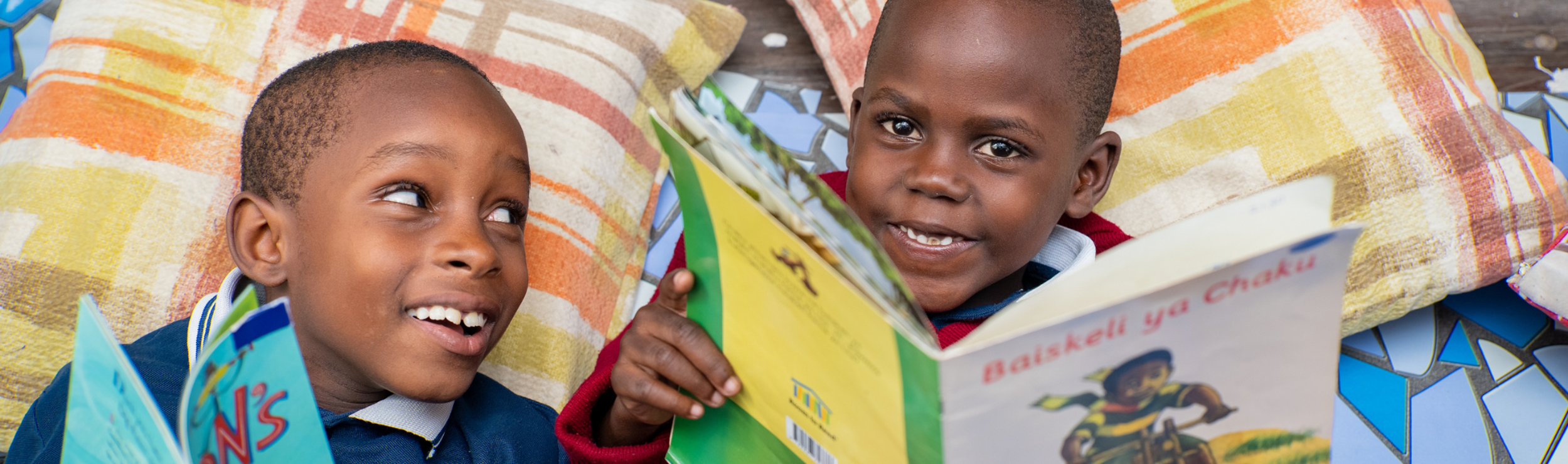
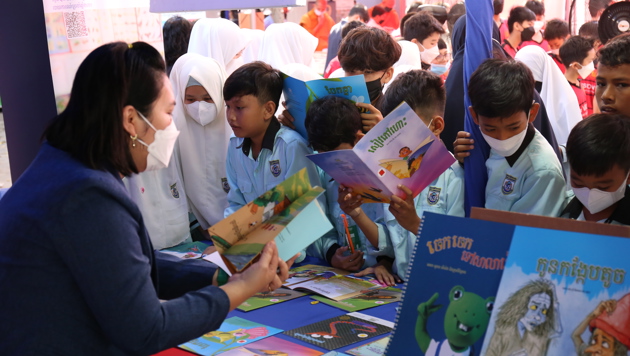
This statistic isn’t just a number — it represents countless young minds yearning to unlock the power of words and ideas. The challenge is compounded by a severe shortage of resources, with 66 percent of teachers reporting inadequate materials for teaching the foundational learning skills, and 9 out of 10 classrooms do not have access to books for children to read and explore, according to USAID. These challenges underscore the urgent need for targeted interventions to improve early-grade reading and provide the tools and resources necessary for both teachers and students to succeed.
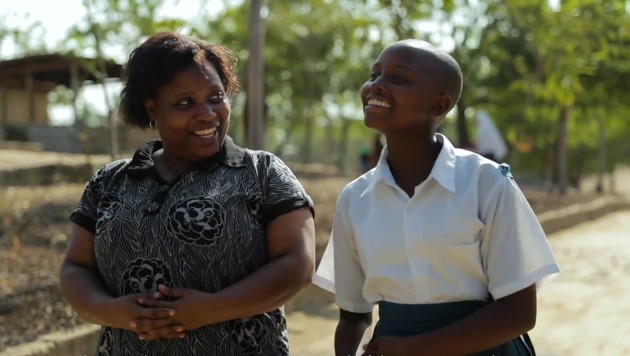
Gender equality in education remains another critical frontier in Tanzania’s development journey. While the country has made strides in achieving near-equal primary school enrollment for boys and girls, a stark reality emerges as students progress: Only about one in three girls who begin secondary school will complete their lower secondary education, with rates similarly poor for boys.
This drop-off represents lost educational opportunities for all students, deferring their dreams and limiting their potential to build the futures they deserve. The reasons behind these shortcomings are complex and deeply rooted in societal challenges. For girls, economic hardship forces difficult choices for families to send boys to school before girls, early marriages cut short girls’ educational journeys, and gender-based violence and harassment deter girls from staying in school.
For boys, pressure and expectations to earn income lead many to seek out employment opportunities rather than finishing their education. By helping adolescents gain the life skills and mentorship they need to navigate these challenges, we can unlock the full potential of Tanzania’s youth, paving the way for a more equitable and prosperous future for all.
The Latest from Tanzania


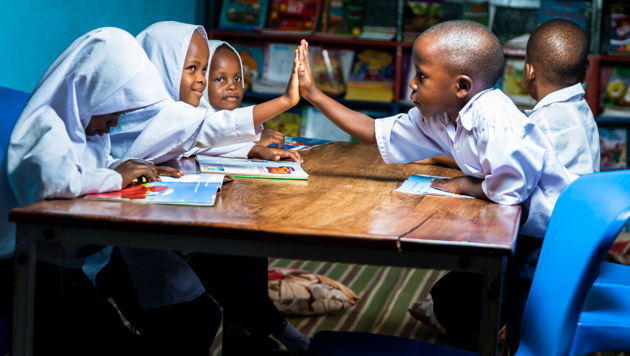
Inside Room to Read's Literacy Program in Tanzania
Creating a world of lifelong learners
Room to Read updates from across the globe
Life skills curriculum for the 21st century
Abigail Spangler, Associate Director of Room to Read's Girls' Education Portfolio
Life skills for today
Abigail Spangler, Associate Director, Room to Read's Girls’ Education Portfolio