

Ha Thi Thuy Ngan
Educator and social mobilizer
Room to Read in Vietnam
Translated from the original Vietnamese by Chau Doan
Some journeys stay with us long after we have reached our destination. For me, they are the journeys to the homes of the schoolgirls I have visited over the years — journeys across streams, along steep village paths and into homes where children have quietly shared their worries, hopes and dreams with us.
As a social mobilizer with Room to Read’s Girls’ Education Program, visiting students’ homes is a key responsibility. To this day, these journeys remain among my most vivid and deeply moving memories.
One memory stands out. That day, the homeroom teacher informed me that a student in our program had been absent for several consecutive days without a clear reason. In a highland school like Phu Luu, student absences are not uncommon. Some miss class because of illness; others need to help their families with farm work; and some quietly drop out, held back by feelings of insecurity or reluctance about school. I pulled up the tracking list on my computer and prepared to visit the student’s family.
In truth, whenever we set out, we had no grand ambitions. As social mobilizers, our sole desire was to visit the children in person, make sure they were safe, and understand the difficulties they were facing so that we could offer timely encouragement and support to help them return to school.
The path to this particular girl’s home required crossing a small stream. The water was not high that day, but the spillway was incredibly slippery. I remember feeling hesitation and uncertainty. Then, from the other side, the student appeared, running toward me. She flashed a shy smile and reached out to guide me across.
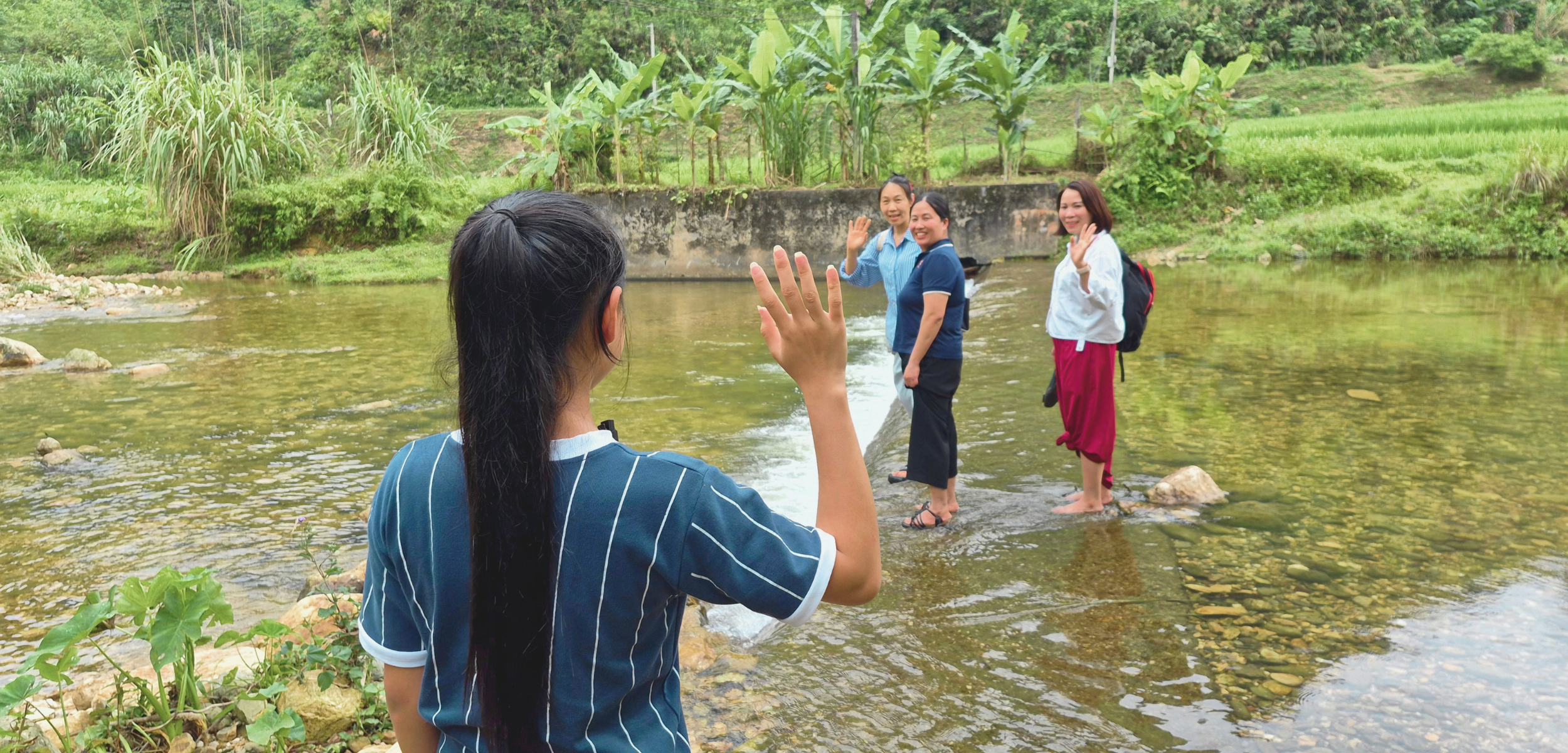
It was a simple moment, yet it moved me deeply. I realized then that the bond between us and the children was being woven, often through small, tender moments like that one.
Stepping into her humble home, accompanied by the gentle murmur of the nearby stream, the child shyly explained that she had fallen ill a few days earlier, and that her parents had been too busy with work to notify the teacher. We sat together for a long time, talking about everything from schoolwork and family life to her modest dreams, while offering encouragement to help her feel more confident about returning to class.
Many people tend to view home visits as merely a small part of Room to Read’s Girls’ Education Program. To us, however, these visits are a key with which we can unlock the children’s hearts.
In the classroom, some children are very reserved, while others are cheerful and sociable, just like their peers. Yet it is only when we step into their homes — sitting in a small kitchen where a fire is burning, or walking and chatting quietly along a village path — that we truly begin to understand their circumstances and the reasons behind their sadness or lack of confidence.
At school, they may keep their feelings to themselves. But in the familiar setting of their homes, they find it easier to open up and share.
The significance of these home visits lies not merely in reminding students to attend school, but, more importantly, in ensuring that they feel cared for, heard and valued.
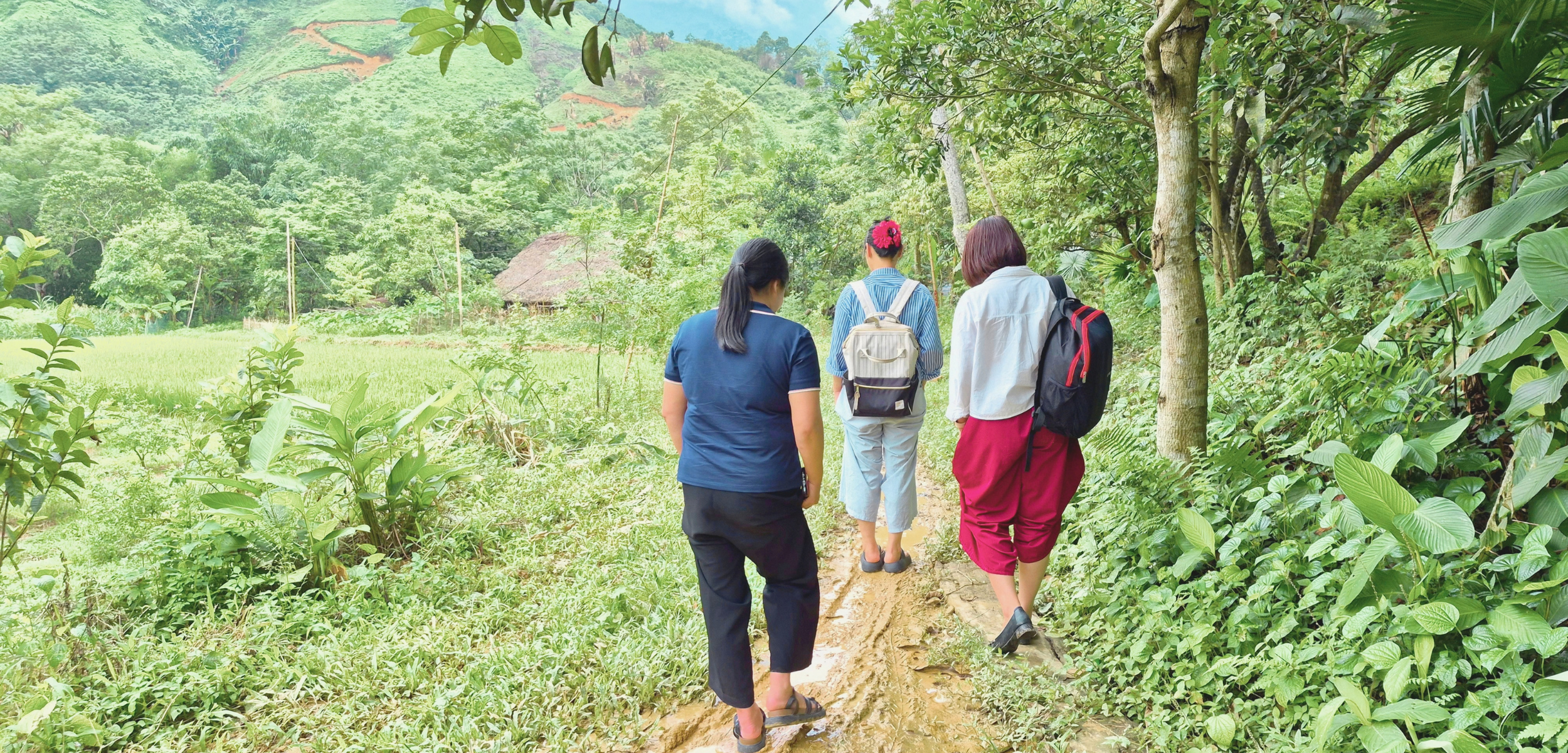
Most parents here work long, demanding hours, from early morning until late at night. Faced with significant financial pressures, they are sometimes unable to closely monitor their children’s education. The arrival of our team at their homes brings parents a sense of reassurance while helping to bridge the gap between students and the school. These visits deepen our understanding of each child and enable us to foster life skills that are responsive to their individual needs.
I vividly remember the home visits to Ma Long — a remote outpost in Phu Luu Commune, Tuyen Quang Province — during the program’s first year. The road up was steep and rugged. On some stretches, we had to shift our motorbikes into first gear, the engines roaring as we slowly made our way uphill. Many times, dark clouds would gather, and heavy rain would suddenly pour down, yet we pressed on. We feared that if we turned back, the children might remain out of school.
Back then, the children were incredibly shy. At the mere sight of a stranger approaching their home, they would only dare to peek out from behind the woven bamboo-lath doors.
But then, suddenly, four years flew by.
The once-shy schoolgirls have now grown into confident young women, completing their lower secondary education. They have learned to proactively share their thoughts about their future plans, as well as the physical and emotional changes that come with puberty. And now, whenever we leave, they stand by the stream, waving a fond farewell.
One of them once confided in me: “I feel so happy whenever you visit my home. In those moments, I feel I have a source of support — someone to share everything with about my studies and my life, things I normally wouldn’t know who else to talk to.”
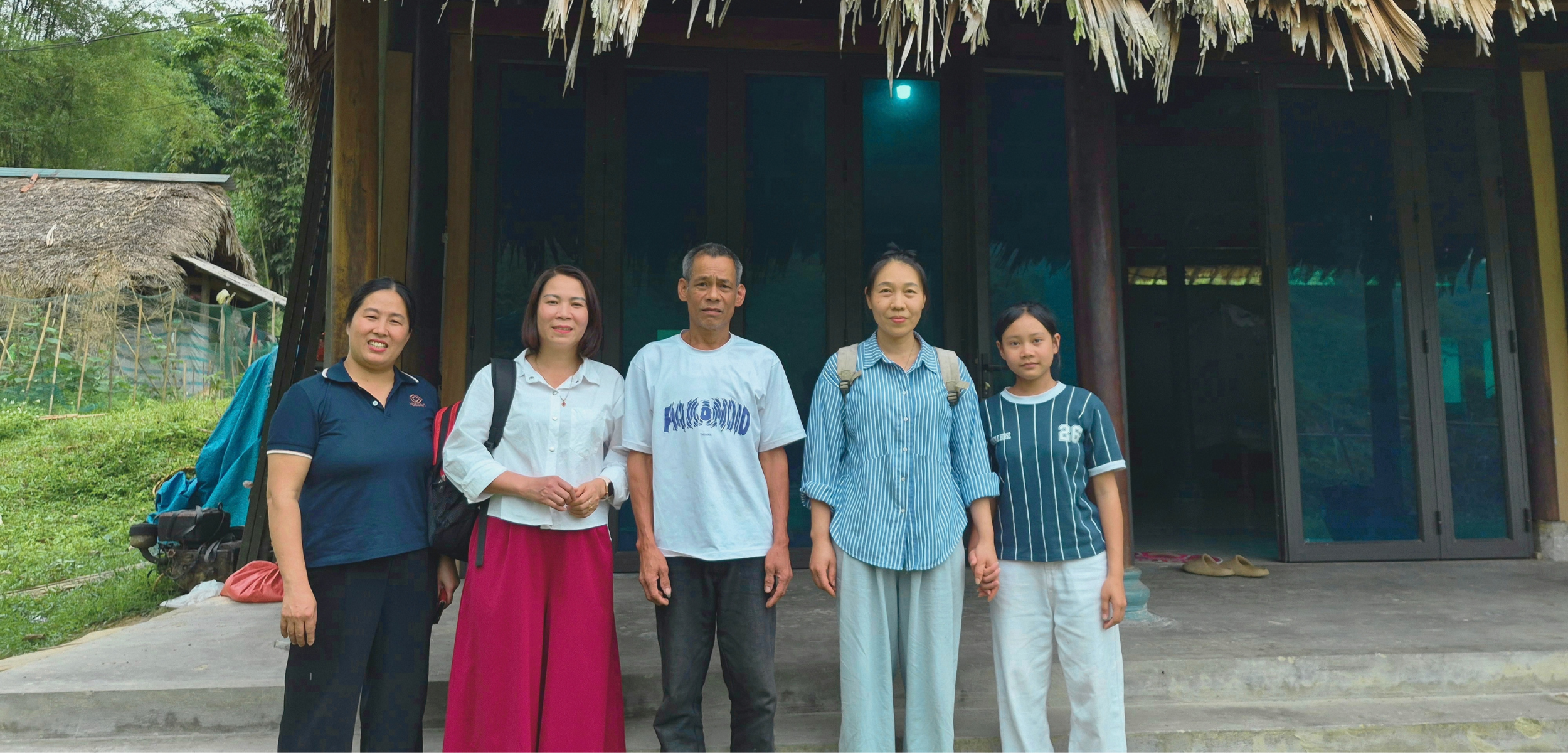
Seeing the hope-filled eyes of these girls as they prepare to embark on their secondary school journey, I realize that the treks my colleagues and I undertook — traversing forests and crossing streams — have fulfilled a meaningful mission.
Along the long road ahead, the textbook knowledge and classroom lessons they acquired may eventually fade from memory. Yet I am certain they will always cherish the memories of their youth — of their social mobilizers and the Room to Read team members who steadfastly visited their homes, ready to listen, understand and support them during their formative years.
This is our greatest motivation: to continue our journey, bringing care and essential life skills to yet another generation of schoolgirls.
Learn more about our unique approach

You might also be interested in...

Practicing self care: Life skills in action
Chau Doan, Communication Manager, Room to Read in Vietnam

The road Hien chooses
Chau Doan, Communication Manager, Room to Read in Vietnam

The story of Sam Nang, in her final year of our Girls' Education Program
Chau Doan, Communication Manager, Room to Read in Vietnam

Small steps, big dreams: Hằng’s journey from village roads to the track
Chau Doan, Communication Manager, Room to Read in Vietnam
