
A renewed promise: Room to Read makes renewed commitment to advancing foundational learning in Zambia
February 25, 2026
By Collins Munene
Regional Director
Room to Read Program Operations in Africa
On February 19, 2026, Room to Read marked an extraordinary milestone in Africa by the official signing of a Memorandum of Understanding (MoU) with the Ministry of Education of Zambia.
This moment represents far more than a formal agreement.
It is the renewal of a shared promise: that every child in Zambia deserves the opportunity to read with comprehension, learn with confidence and develop the life skills needed to thrive in an evolving world. 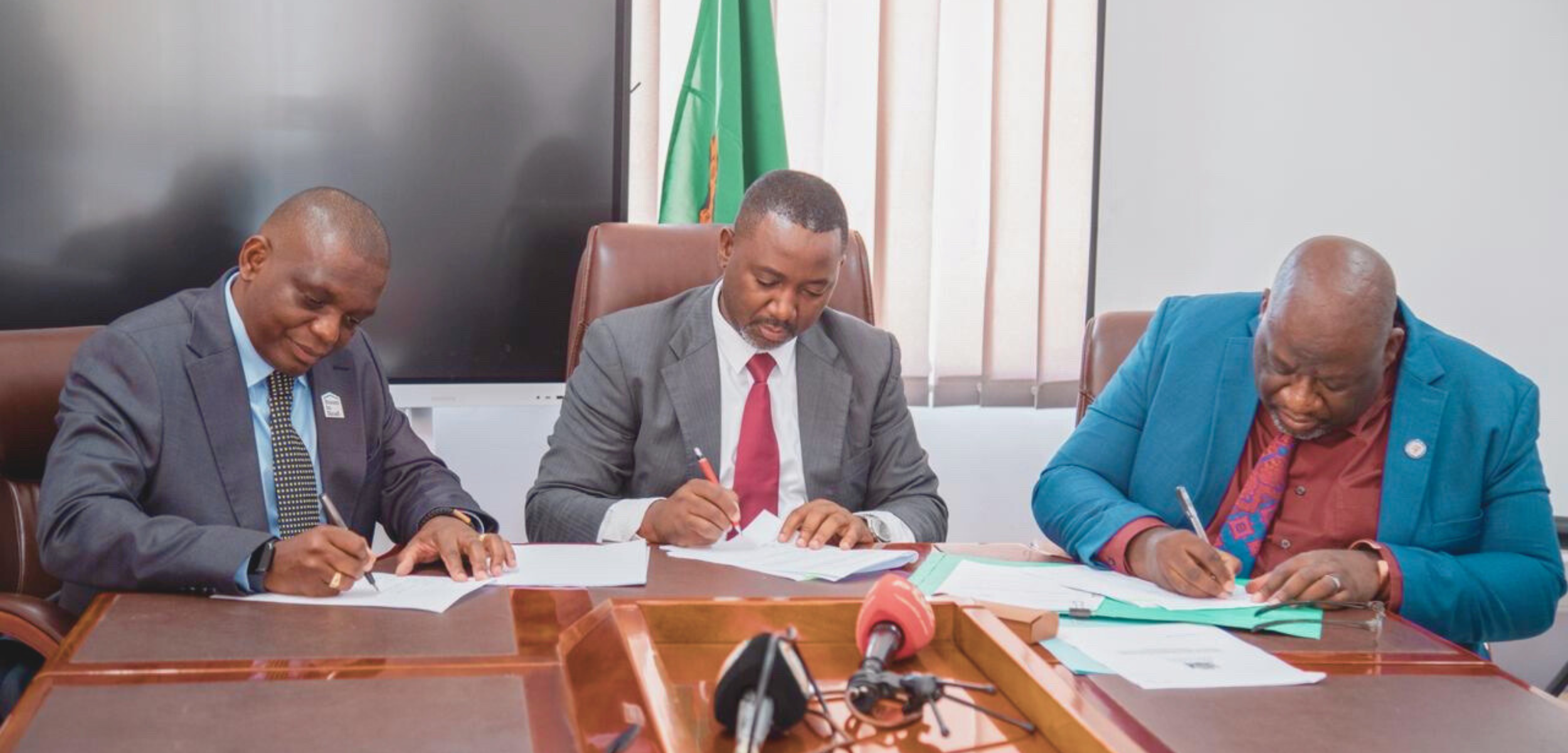
Building on a strong foundation
Room to Read first began working in Zambia in 2008. Over nearly a decade, in close partnership with the Ministry of Education and local communities, we:
- Benefited over 530,000 children with foundational learning skills
- Supported 613 schools
- Established 487 school libraries
- Published 20 locally written and illustrated children’s books in Zambian languages
- Distributed more than 1 million learning materials
These efforts strengthened literacy instruction, expanded access to culturally relevant books and supported teachers across Lusaka, Southern and Eastern Provinces.
Our renewed work is not a new beginning, but a continuation of a journey grounded in trust, collaboration and measurable impact.
Why this moment matters
Zambia is currently transitioning from a Knowledge-Based Curriculum to a Competency-Based Curriculum (CBC). This shift is bold and forward-looking, but it requires strong systems, well-prepared teachers, aligned materials and effective assessment mechanisms.
Before re-engaging, Room to Read conducted a national feasibility study in consultation with Ministry directorates, teacher training institutions, publishers, district officials and school leaders. The findings were clear:
- Teachers are deeply committed but need strengthened preparation in structured literacy approaches.
- There is a shortage of decodable readers and phonics-based instructional materials.
- The National Literacy Framework requires alignment with the new curriculum.
- Access to classroom libraries and local-language materials is uneven.
- Literacy assessment systems need strengthening.
These insights shaped our re-engagement strategy. We listened first. Now we act — together.
Strengthening foundational literacy systems
Through this renewed partnership, Room to Read will support Zambia in:
- Aligning literacy frameworks and the Primary Literacy Programme to the Competency-Based Curriculum
- Developing and distributing high-quality, local-language storybooks and decodable readers
- Supporting teacher Continuous Professional Development (CPD)
- Strengthening literacy assessments and performance tracking systems
- Establishing and revitalizing classroom libraries
This is not about creating parallel systems. It is about reinforcing national systems so that impact is sustainable and scalable.
When teachers are equipped, children benefit. When materials align with curriculum, learning accelerates. When systems function effectively, outcomes improve nationwide.
Rebuilding a culture of reading
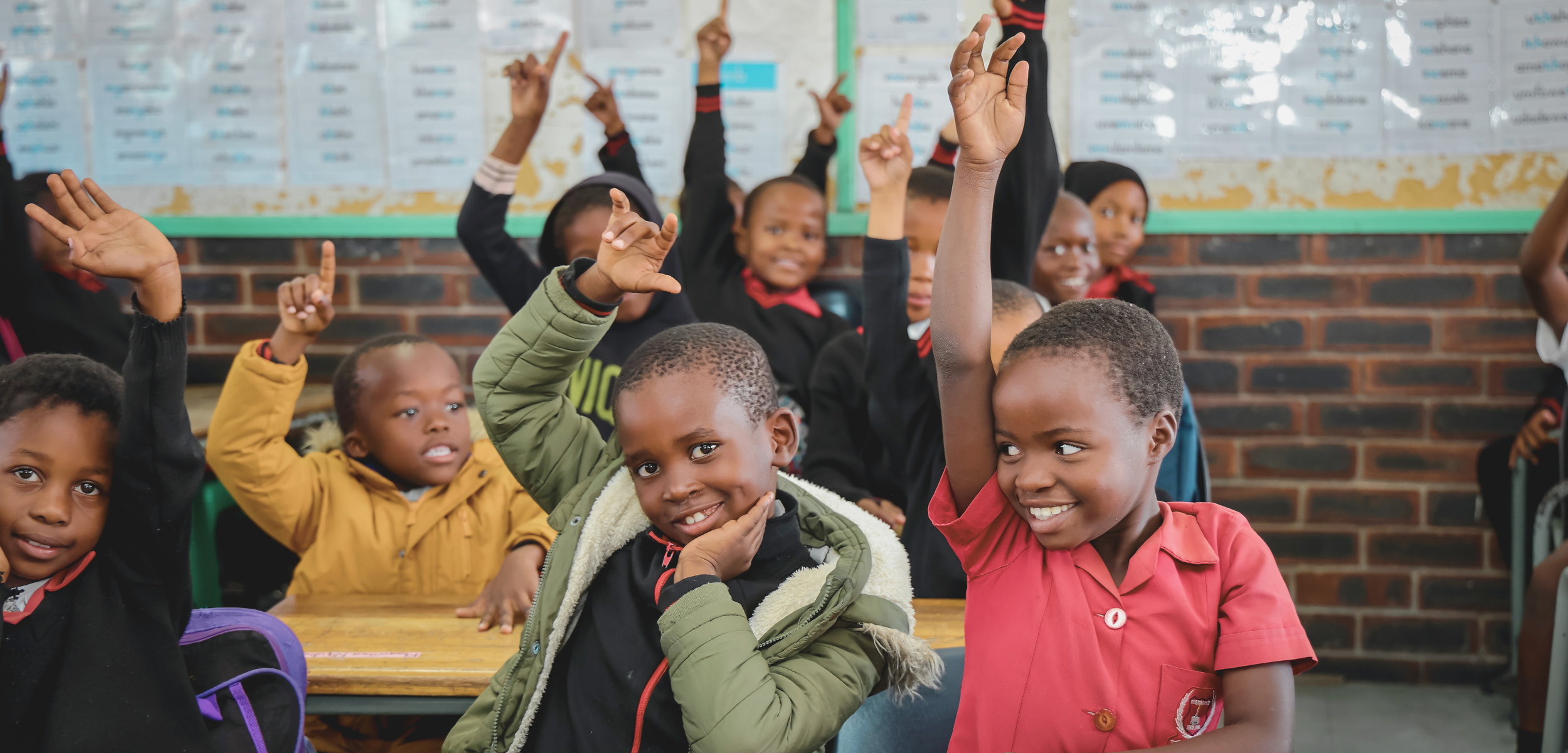
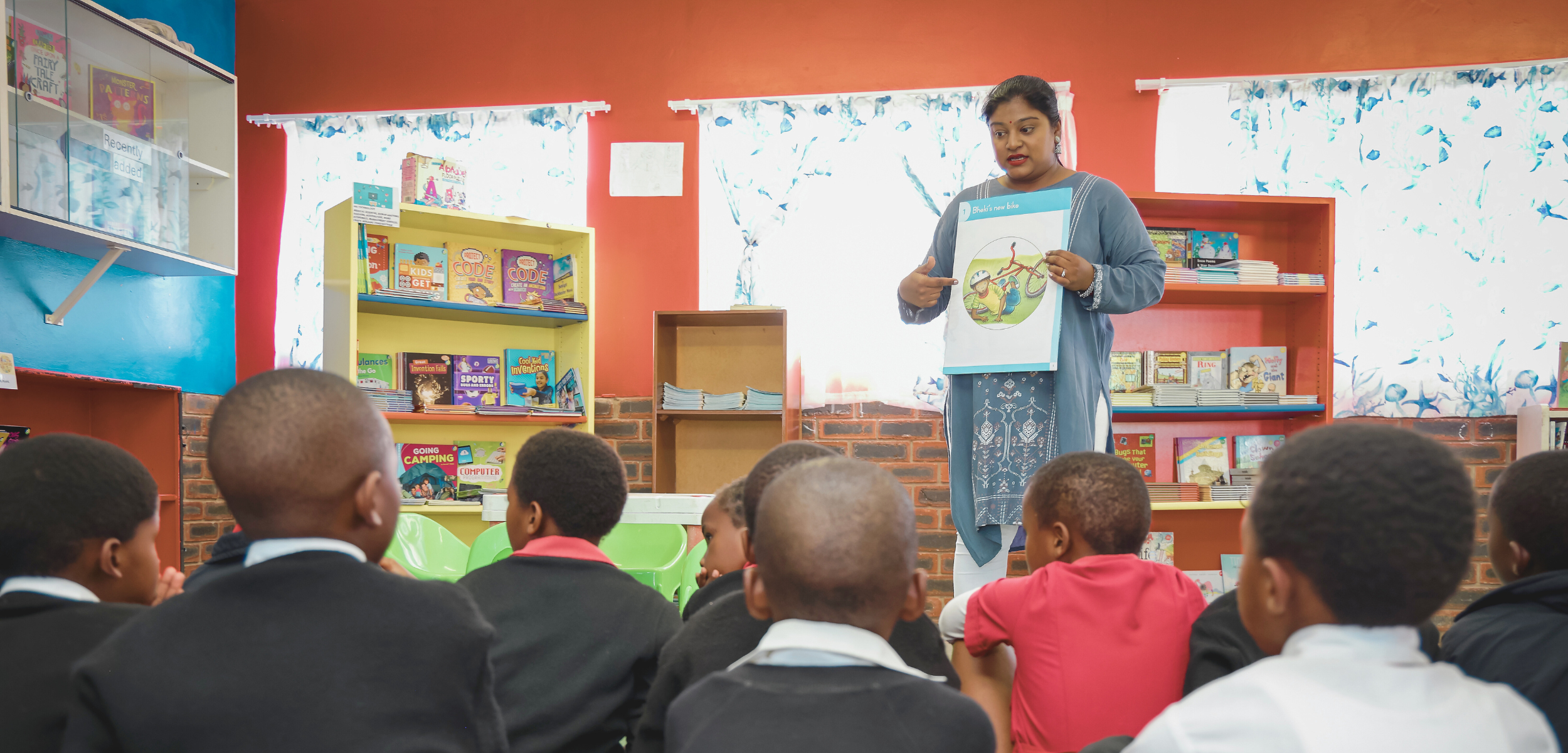
Libraries are not simply rooms filled with books; they are engines of imagination and opportunity.
Room to Read will collaborate with the Zambia Library Service and district officials to strengthen classroom libraries, train educators in library management and increase access to culturally relevant reading materials in local languages.
Reading fluency is built through daily practice. A strong reading culture begins with access and grows through encouragement, guidance and joy.
Advancing gender equality for every child
Literacy alone is not enough.
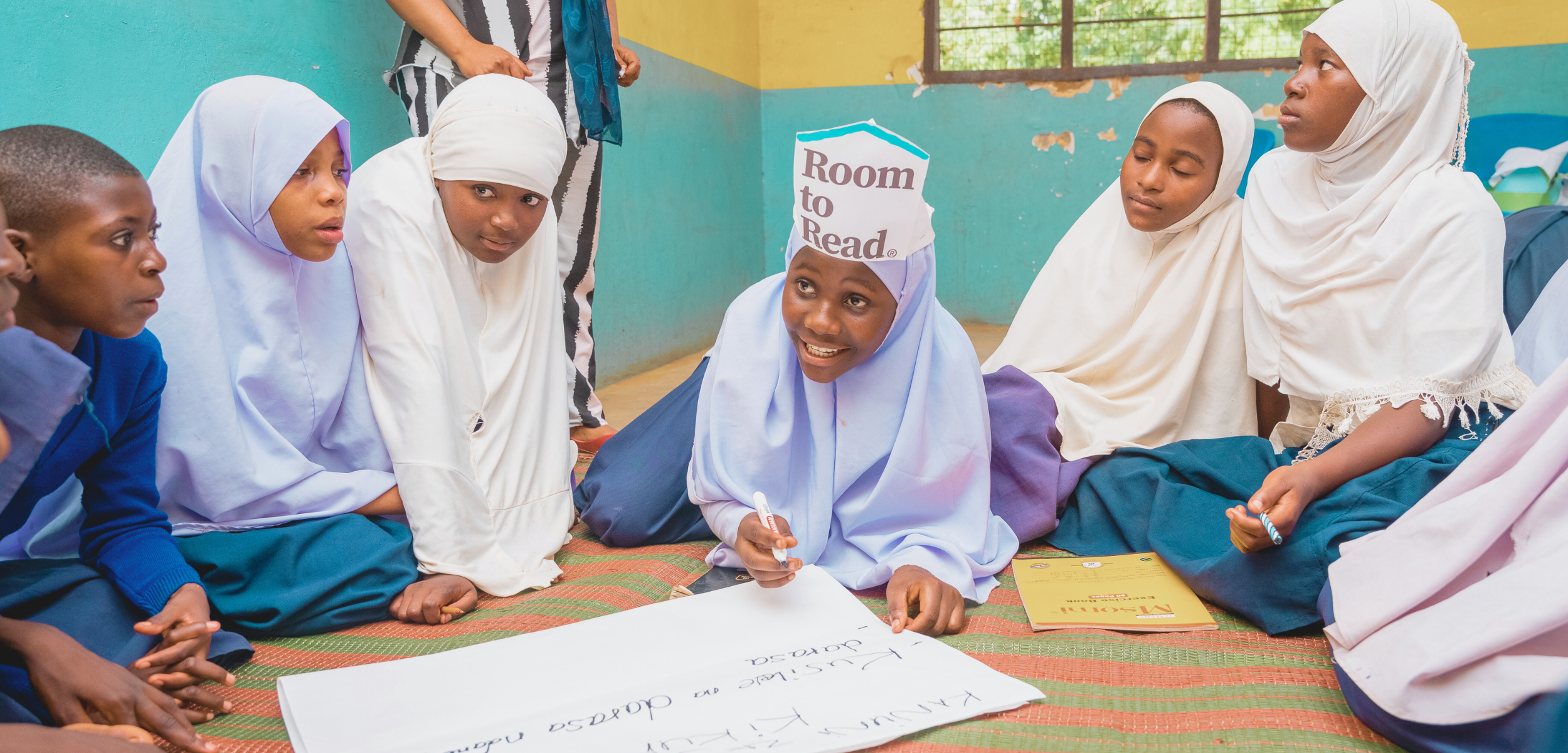
Room to Read’s renewed and revived approach also reinforces our commitment to gender equality and life skills development. Through our Gender Equality Portfolio, we will:
- Provide technical guidance to implement She Creates Change
- Reach at least 10,000 adolescents, with a strong focus on girls
- Support integration of life skills into existing curriculum areas
- Promote inclusive, gender-responsive teaching practices
Importantly, this work benefits both girls and boys. Zambia has made notable progress in gender parity, but new challenges are emerging — including concerns around boys’ dropout rates and adolescent vulnerability.
Our approach is inclusive: Every child deserves the opportunity to thrive.
A three-year framework with long-term vision
The signed MoU establishes a structured three-year collaboration grounded in shared responsibilities, joint monitoring and accountability. But our ambition extended beyond three years.
We envision:
- Every Grade 1 and 2 teacher confident in delivering structured literacy.
- Functional classroom libraries in priority districts.
- Data-driven decision-making embedded within the education system.
- Adolescents equipped with life skills to navigate a changing world.
- A Zambia where no child leaves Grade 2 unable to read.
Part of a broader Africa strategy
Room to Read’s re-engagement in Zambia is a key pillar in Room to Read’s Africa Strategy (2025–2027), which prioritizes deepening investment across the continent and expanding literacy and gender programming in both new and re-entry countries.
Africa represents immense opportunity — and urgent need. With a large and growing primary-school population, investments in foundational literacy today will determine the continent’s economic and social trajectory tomorrow.
Zambia stands at the forefront of this momentum.
A shared commitment
At the signing ceremony, we reaffirmed a simple principle:
We do not come to replace.
We come to reinforce.
We do not come to dictate.
We come to collaborate.
This partnership reflects alignment, trust and action.
When a child learns to read, confidence grows. When adolescents gain life skills, communities strengthen. When systems improve, entire countries thrive.
Room to Read is proud to stand once again with the Ministry of Education of Zambia by investing in teachers, strengthening systems and accelerating learning outcomes for more children, more quickly.
Because when a child learns to read, a nation rises.
You might also be interested in...
Girls’ education in Africa: The most powerful investment we can make
Zamaradi S. Islahi, Global Director, Room to Read Gender Equality Portfolio

Room to Read Launches Africa Regional Advisory Board and Announces $75 Million Fund to Support the Expansion of Foundational Learning Across Continent During Joint Board Session in South Africa

Reading Champions: Scaling Room to Read’s library approach to nurture a strong culture of reading in South Africa
