
"It starts with me showing up at school every day."
September 16, 2026

By Nistha Shrestha
Senior Officer, Communications
Room to Read in Nepal
For Suman, going to school has never been simple. At home, the demands of family and deeply held expectations about girls’ roles have often come before her education. But with the support of Room to Read’s Girls’ Education Program, Suman is beginning to see school — and her own future — in a different way. What follows is Suman’s story, told in her own words, about the challenges she has faced, the people who have encouraged her, and the steps she is taking to stay in school.
“My name is Suman. For most of my life, going to school has felt like a luxury. At home, there is always work to be finished: helping my parents in the field, cooking meals, cleaning our small house. I want to help my family, but that means I only go to school rarely — really only when I have to take exams. Education is not a priority in my family.
I am the first generation in my family to attend school. My parents cannot read and have not completed school. They believe that I need to learn to do household work before I get education. They have often told me: ‘Every girl needs to learn to cook and clean before they get married.’
I have not argued with them. I simply do what matters most to them, stay at home and help.”
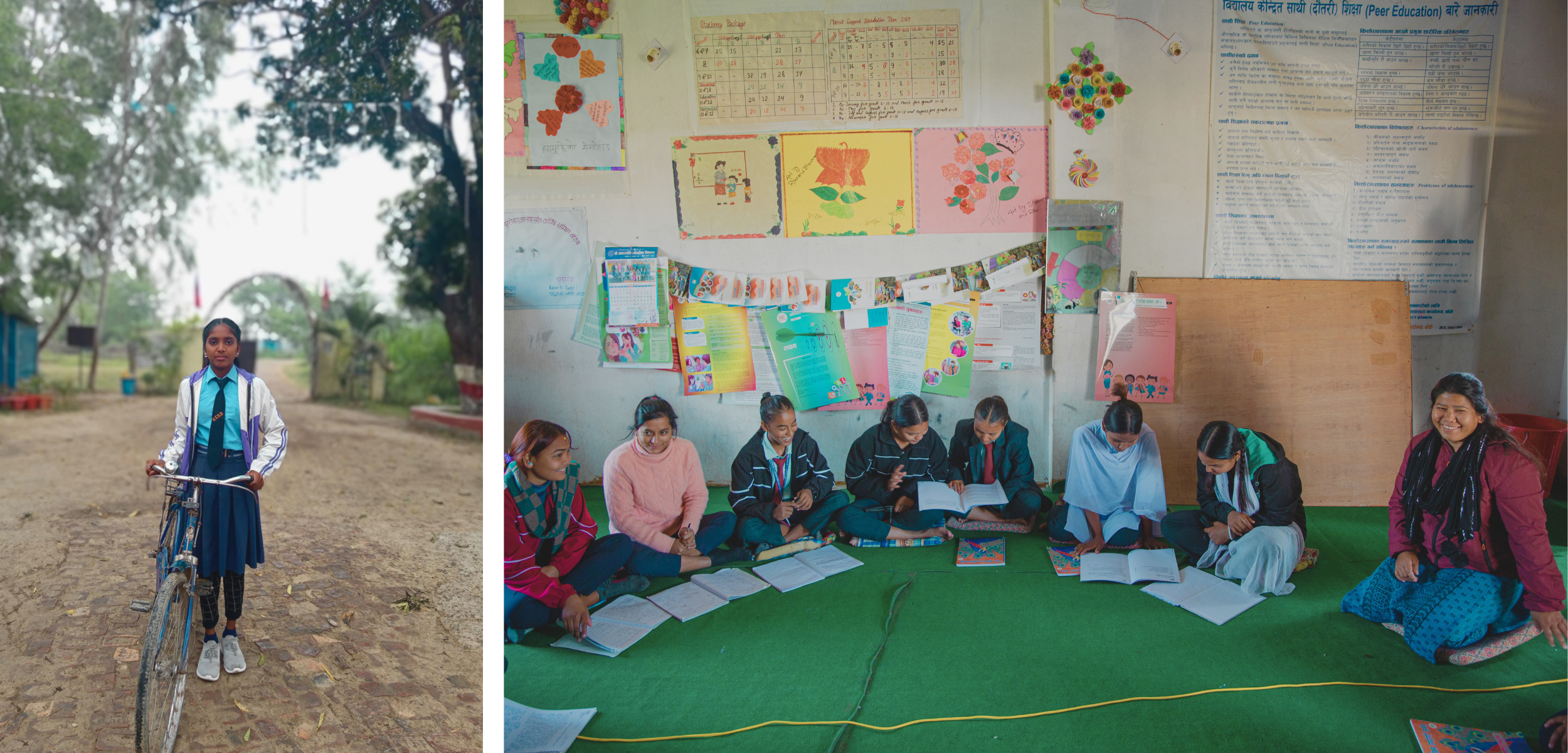
For girls like Suman, barriers to education can extend beyond the classroom. Household responsibilities, gender expectations and gendered social norms can make it difficult for adolescent girls to attend school regularly or continue through secondary school. Room to Read’s Girls’ Education Program is designed to address these barriers through a combination of life skills education, individual mentorship, family and community engagement, and, where needed, material support. The program begins in Grade 6 and continues through secondary school, supporting girls as they navigate adolescence and make decisions about their education and futures.
“But things have been different lately. My Room to Read social mobilizer makes regular visits to my home to speak with my parents. She wants to understand why I skip so many days of school. With my social mobilizer’s encouragement, my mother attended a Room to Read parents’ workshop for the first time. She says she learned about the opportunities girls can have if they have an education.
That day she came home inspired and told me: ‘I think you need to be regular in your classes. Whatever you are learning in life skills could be important to you as you grow.’”
Room to Read works with families and communities alongside program participants. Social mobilizers provide ongoing mentorship and engage with families to understand and address barriers that may prevent girls from attending or remaining in school. Parent workshops help caregivers consider the value of girls’ education and the opportunities that education can create. By engaging the people and systems surrounding an adolescent, our program seeks to create an environment in which she has greater support to stay in school.
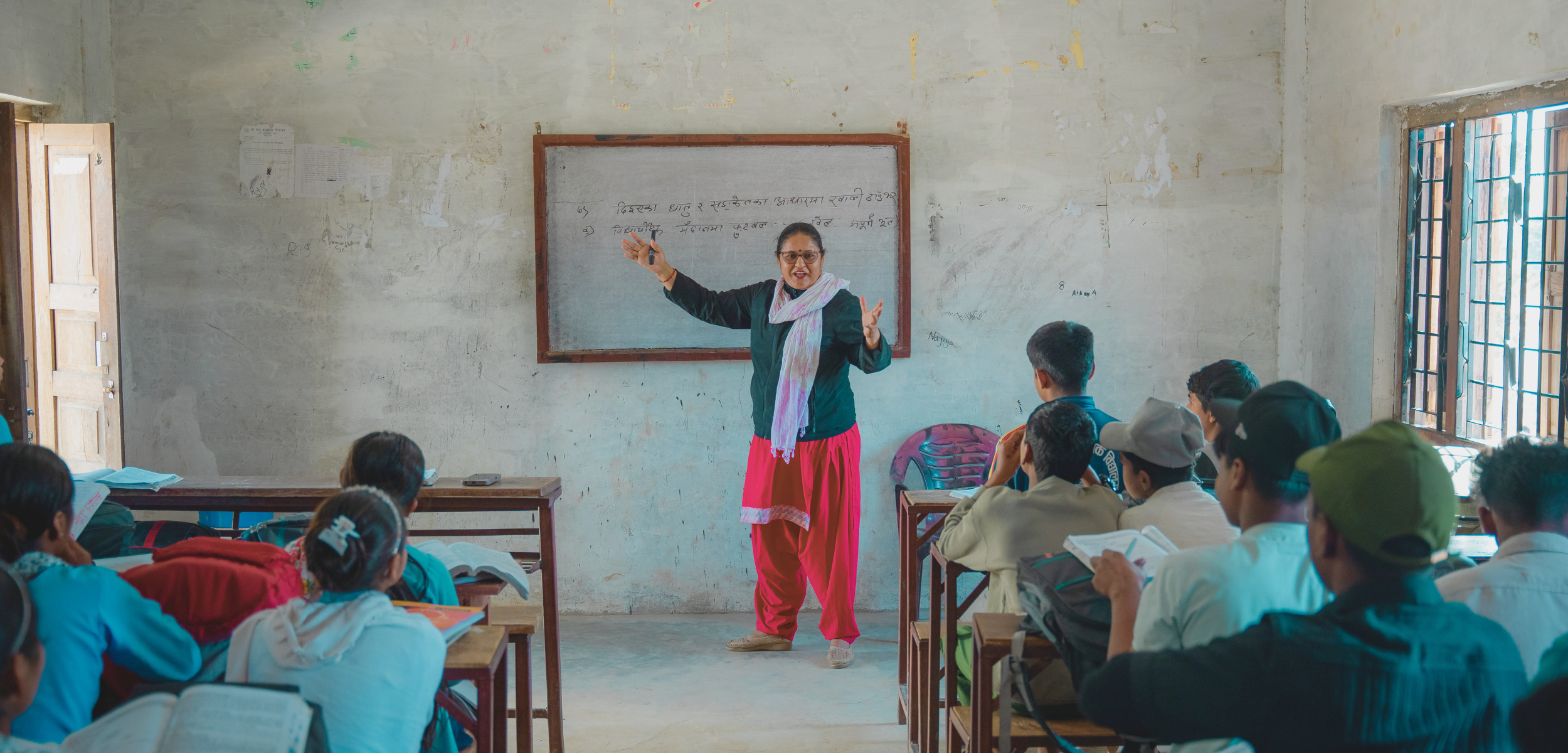
“Now I attend school regularly,” Suman continues. “Household work is still part of my life, but I talk openly with my parents about sharing responsibilities and creating a daily routine that helps me balance school and home. I am confident that I can successfully complete my studies while balancing my responsibilities at home. Life skills lessons are helping me understand how I can manage my time effectively, establish clear routines, set priorities and track my learning growth.”
Life skills education is a core component of Room to Read’s approach to gender equality. Through age-appropriate, research-informed lessons, girls develop skills such as decision-making, critical thinking, communication, resilience and leadership. These skills are intended to help girls navigate challenges in their everyday lives, advocate for themselves and make informed choices about their education and futures.
The broader goal of this approach is to help girls build their own skills and confidence while also changing the expectations and support systems around them. When families recognize the value of girls’ education and girls have access to mentors and life skills education, they can have greater support to remain in school and pursue their goals.
“I am currently in Grade 6 and waiting for my results,” Suman concludes. “I am excited to start the new school year, meet with my social mobilizer again and resume life skills sessions.
I know I still have a long journey ahead of me, but I believe it starts with me showing up at school every day.”
Learn more about our unique approach
You might also be interested in...

Language barriers in early grade learning: Overcoming challenges in Nepal
Netra Dahal, Director of Literacy, Room to Read in Nepal

Life skills classes: Making room for empathy and understanding
Reema Shrestha, Director of Room to Read's Gender Equality Portfolio, South Asia

Climate change and gender equality: Why girls’ education is key to climate resilience
Reema Shrestha, Director, Room to Read's Gender Equality Portfolio, South Asia