
History of International Women’s Day: Lessons in resilience
March 25, 2026
By Lucina Di Meco
Vice President
Room to Read's Gender Equality Portfolio
It is worth remembering the history of International Women's Day.
It did not begin as a celebration. It began as a movement.
In the early 20th century, women — many of them factory workers — organized and protested for fair wages, safer working conditions and the right to vote. In 1910, activists proposed creating an international day dedicated to women’s rights, and the following year, more than a million people joined rallies across Europe demanding equality.
Those early demonstrations remind us of something important: Progress toward gender equality has always required resilience.
Change has rarely come quickly or easily. It has come through persistence — across communities, across movements and across generations.
And in many ways, resilience remains just as central to the work ahead.
Around the world today, progress toward gender equality remains uneven. Millions of girls are still out of school, and millions more face barriers that make it difficult to continue their education or shape their futures. Today, 122 million girls remain out of school globally, and four in 10 adolescent girls do not complete upper secondary education.
So, when we talk about gender equality, we are really talking about justice.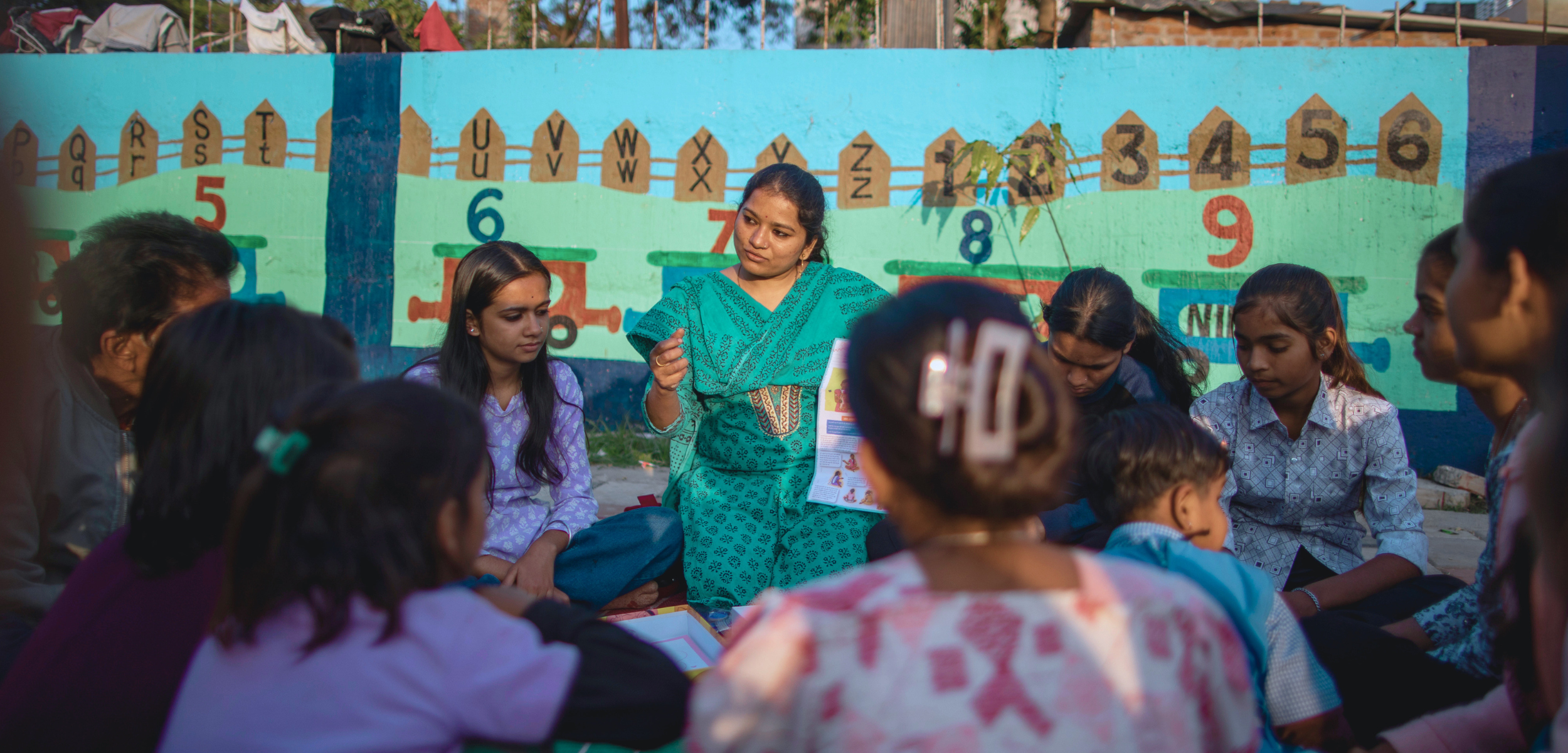
Justice means that girls and boys have equal opportunities to learn, grow and participate fully in society. Justice means that young people have the ability to make informed decisions about their lives. And justice means that systems — from schools to communities — recognize the dignity and potential of every child.
This year’s International Women’s Day theme focuses on access to justice.
And while justice is often discussed in terms of laws or institutions, we know something important from our work: Justice also depends on whether individuals have the skills and confidence to advocate for themselves and navigate the challenges around them.
That is why life skills are so essential to gender equality.
Through Room to Read’s Gender Equality Portfolio, we work with adolescents — particularly girls — to develop five key life skills: resilience, leadership, collaboration, critical thinking and decision-making.
These are not abstract ideas. They are practical capabilities that help young people face challenges, question harmful norms and lead change.
And resilience sits at the center of it all.
Because resilience is what allows young people to persist when obstacles arise.
It is the ability to recover from setbacks, regulate emotions, adapt to change and keep moving forward when circumstances are difficult. 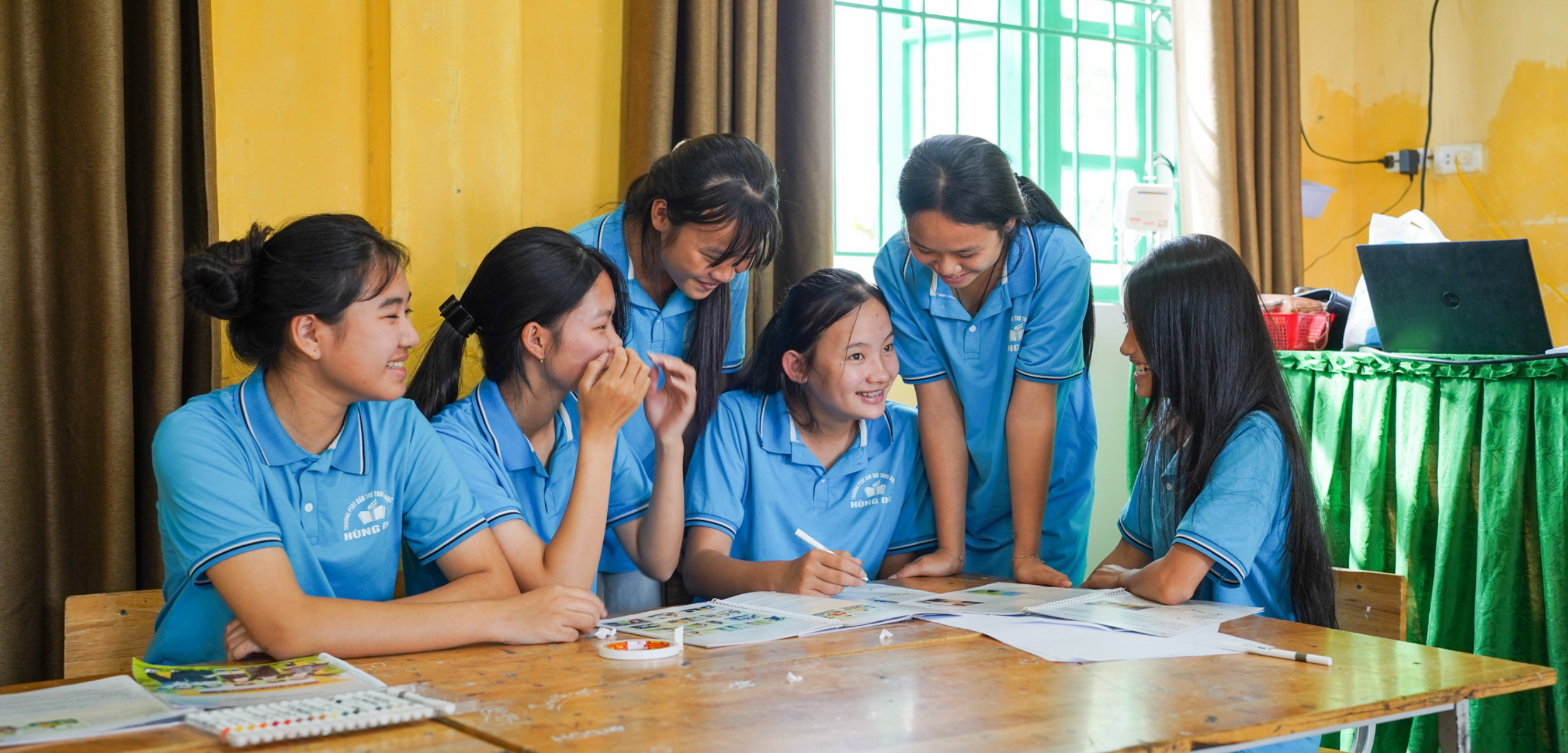
But resilience is not something people are simply born with.
It can be taught, practiced and strengthened.
And that is exactly what our life skills programming is designed to do.
Across our sessions, students engage in activities that help them develop resilience in very practical ways — see She Creates Change.
In one lesson inspired by Yashika’s story, students learn a simple breathing exercise to help manage fear and anxiety. They sit upright, place one hand on their chest and one on their stomach, and practice slow breathing — breathing in through the nose and out through the mouth. Afterwards, they reflect on what it did for their mind and body. The lesson helps students realize that even in moments of stress, they can pause, calm themselves and think clearly about how to respond.
In another activity based on Diksha’s story, students map their support networks. They place themselves at the center of a circle and write the names of people they trust around them — friends, family members, teachers or community leaders. Through this exercise, they learn an important lesson: Resilience does not mean facing challenges alone. It means recognizing who can support you and how to reach out when you need help.
In lessons connected to Dewmini’s story, students interview each other about difficult decisions they have faced — what the problem was, who they spoke to for advice, and how they ultimately found a solution. These conversations help them understand that even complex challenges — like poverty, injustice or climate change — can be approached step by step with thoughtful decision-making.
And after watching Naifat’s story, students trace the outline of their hand and write examples of life skills they have demonstrated in their own lives — resilience, leadership, collaboration, critical thinking or decision-making. It is a simple exercise, but an important one. It helps young people recognize that they already possess strengths that can help them overcome obstacles and create positive change.
What these activities show us is that resilience is not just a concept.
It is a practice.
A practice of managing emotions.
A practice of seeking support.
A practice of thinking critically about challenges.
A practice of recognizing your own strengths.
And these skills matter not only for individual wellbeing — they matter for justice.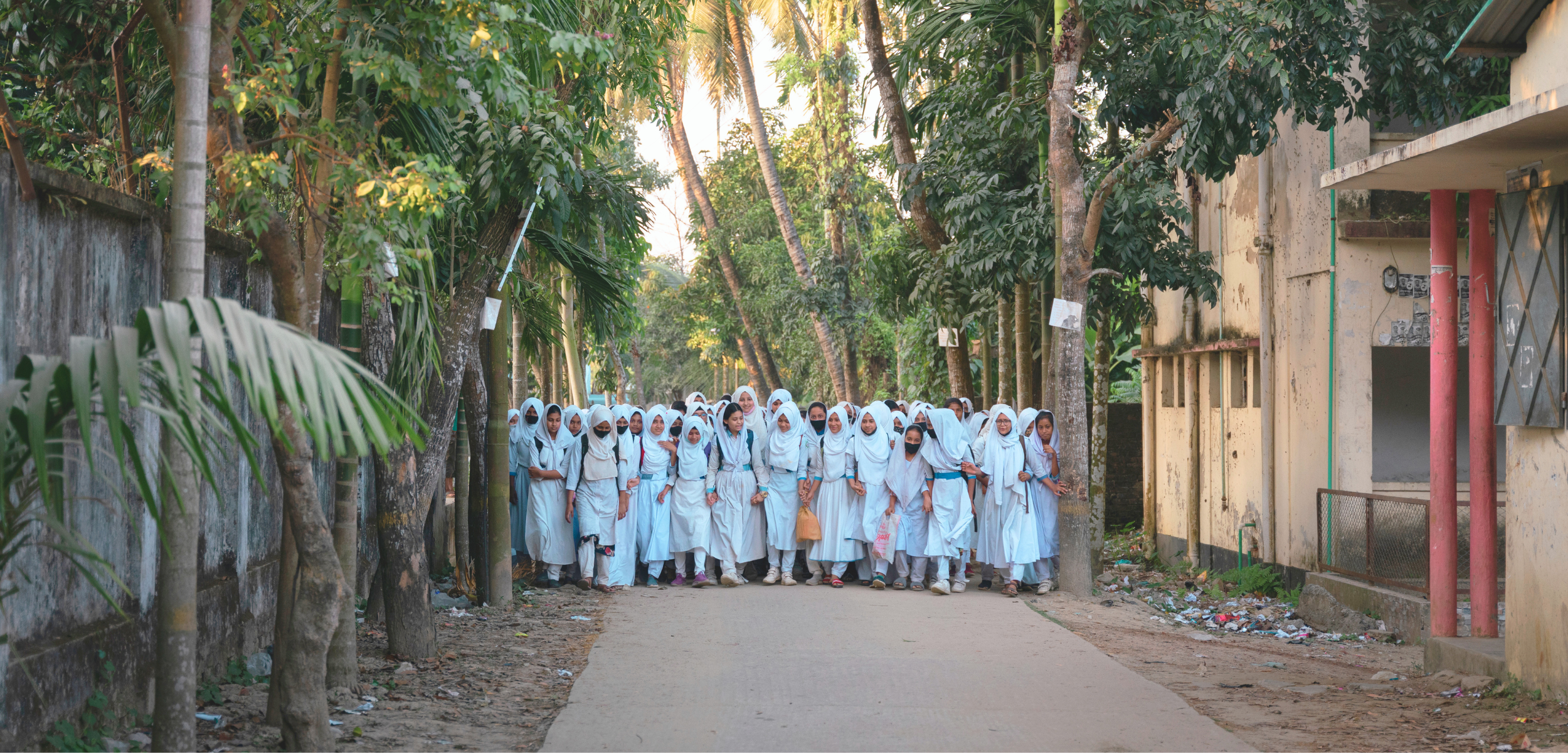
Take, for example, the issue of bullying and harassment that many girls face on their way to school.
In one of our stories, Keya experiences exactly this challenge. For years, she and her friends are harassed by boys on their way to school. At one point, she considers dropping out.
But instead, she uses leadership and courage to speak to her teachers and community leaders and ask for help. As a result, the harassment stops, and she and her friends are able to continue their education. What is powerful about this story is that it illustrates the connection between resilience and justice.
Because our life skills work isn’t abstract. It connects to the real challenges young people face in their lives. For example, by integrating topics such as financial literacy and climate change, we help adolescents make the best of the natural and financial resources available to them, and find new opportunities to build livelihoods, respond to environmental challenges and shape the future of their communities.
In 2025 alone, more than 600,000 adolescent girls benefited from Room to Read’s gender equality programming, contributing to a cumulative reach of more than 4.4 million adolescents worldwide.
Across multiple countries, our research shows measurable improvements in adolescents’ life skills, including resilience, collaboration, leadership and gender attitudes.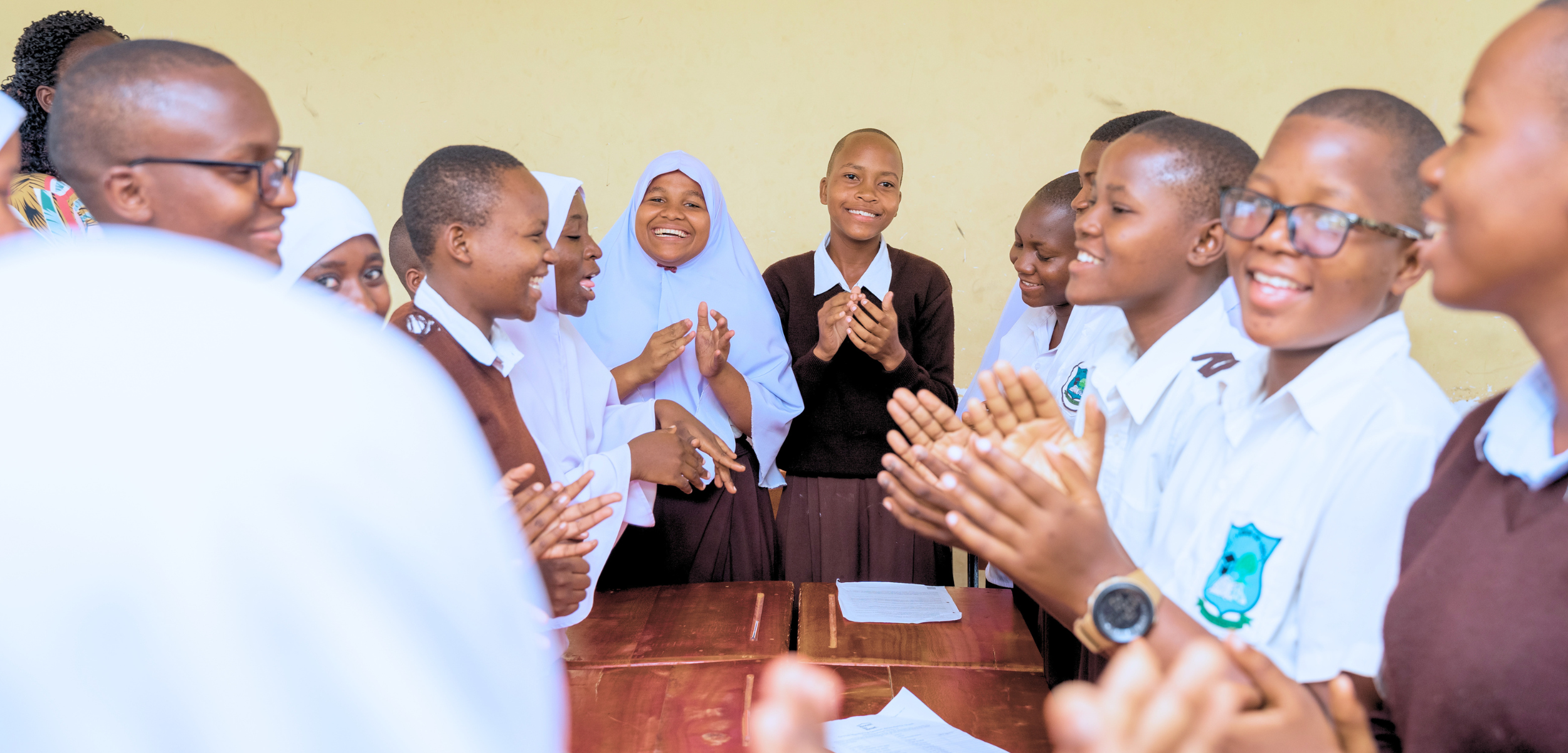
In Tanzania, for example, students participating in the program demonstrated significant gains in emotional resilience — and these improvements were also linked with better academic outcomes and higher exam success.
This reinforces something we have long believed: Life skills are not separate from learning.
They strengthen learning.
When young people develop resilience, they are better able to stay engaged in school, think critically about the roots of the problems in front of them and how to tackle them, collaborate to create and lead movements for social change and make decisions along the way on how to proceed when challenges arise.
And ultimately, resilience helps make gender equality — and justice — possible.
You might also be interested in...


How dignity shows up
Daniel Oliver, Vice President, Room to Read's Research, Monitoring & Evaluation

Inspired by She Creates Change, bravery blossoms at a primary school in Malawi
Esther Muthoga, Program Manager, Room to Read Partnership and Expansion

She Creates Change engages more than 10,000 girls across Pakistan
Vartika Gupta, Manager, Room to Read Program Operations

Breaking barriers, inspiring change: Meet Diksha from She Creates Change


A climate change champion: Meet Dewmini from She Creates Change

From self-defense to self-confidence: Meet Yashika from She Creates Change
