
Foundational skills and future readiness: The workforce of 2040 is sitting in today's classrooms
September 09, 2026
By Poornima Garg
Country Director
Room to Read in India
It's easy to think of the workforce of 2040 as something far away. But in reality, it is already in school. Fifteen years from now, the children learning in Grade 2 today will step into a world of work that looks quite different from the one we know now. Their careers will be shaped by artificial intelligence, rapid technological change and industries that are still evolving.
The skills needed for the future workforce start developing long before people get their first job. This idea will shape an important conversation during this year's United Nations General Assembly (UNGA).
Room to Read’s leadership in India will join global partners and leaders for an important roundtable discussion exploring a fundamental and urgent question: How do we make sure that children today have the skills to succeed in tomorrow’s economy?
The discussion starts with some basic questions.
Can children read fluently with understanding? Can they work with numbers confidently? Can they communicate their ideas, solve problems and keep learning as the world around them changes?
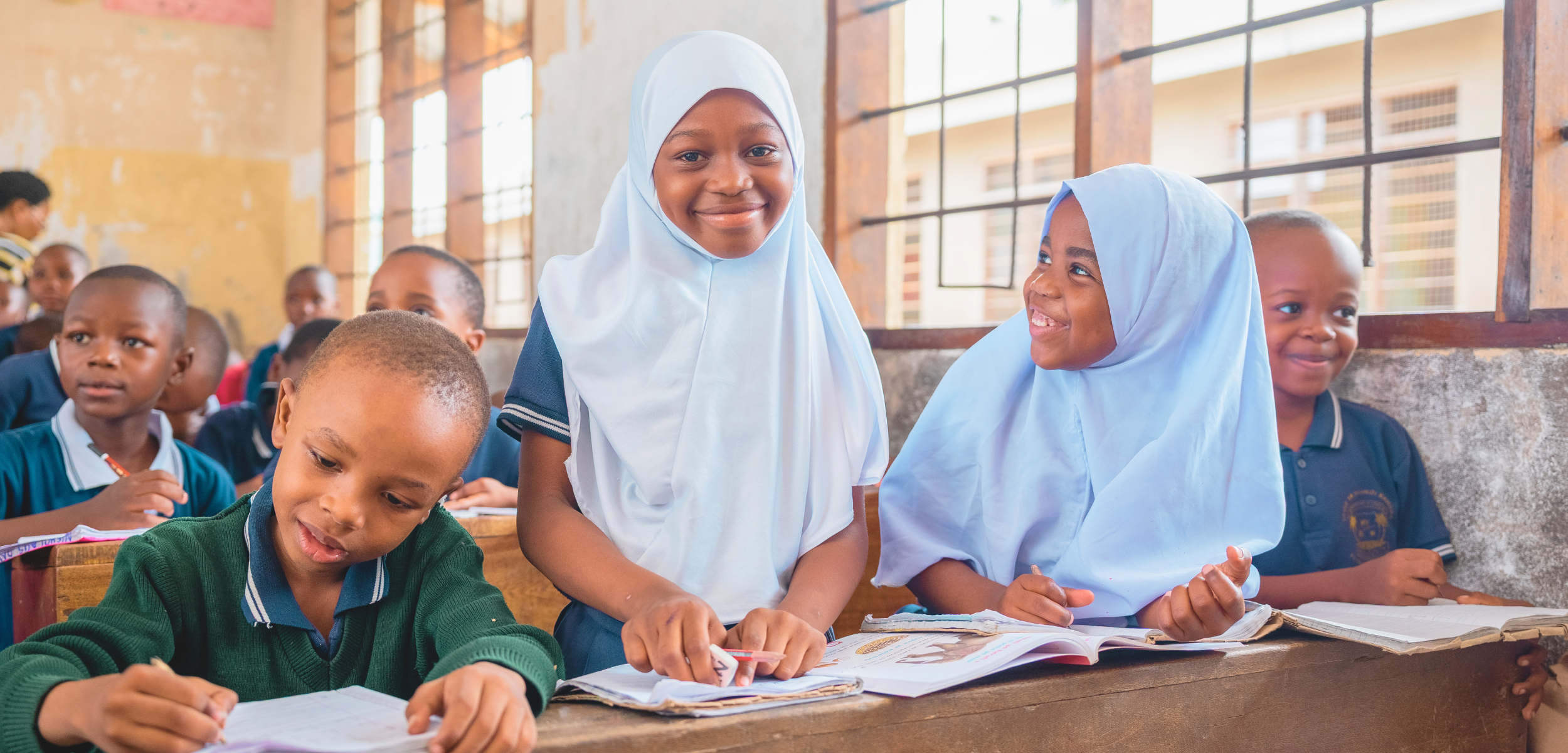
These questions matter because literacy is about far more than decoding words on a page. In an increasingly digital and information-rich world, literacy enables children to interpret information, evaluate competing claims, communicate ideas clearly and make informed decisions in rapidly changing contexts. It equips children not only to learn, but to navigate complexity, adapt to change and participate meaningfully in society.
These foundational skills develop early, but they stay with children throughout their lives. They influence how they learn in secondary school, their ability to access further education, work and economic opportunities as adults, and, ultimately, the economies they will help build.
More fundamentally, these skills shape how individuals engage with the world around them. Literacy is a meta-skill that enables people to process information, reflect critically, solve problems and turn knowledge into action. In an era defined by rapid technological change, these capabilities are becoming as important as any specific technical skill.
Room to Read has spent more than 25 years working with governments, teachers and communities to strengthen these foundations. Today, our programming benefits children across 29 geographies — that’s more than 60.3 million children benefited through our literacy and gender equality programming. Our approach is based on evidence. Children in Room to Read-supported literacy programs read up to 2.5 times faster and show stronger reading comprehension than children in comparison schools.
We know what works to improve foundational literacy. The challenge now is scaling our proven solutions so that all children can benefit from them.
This is exactly where the UNGA’s conversation is headed.
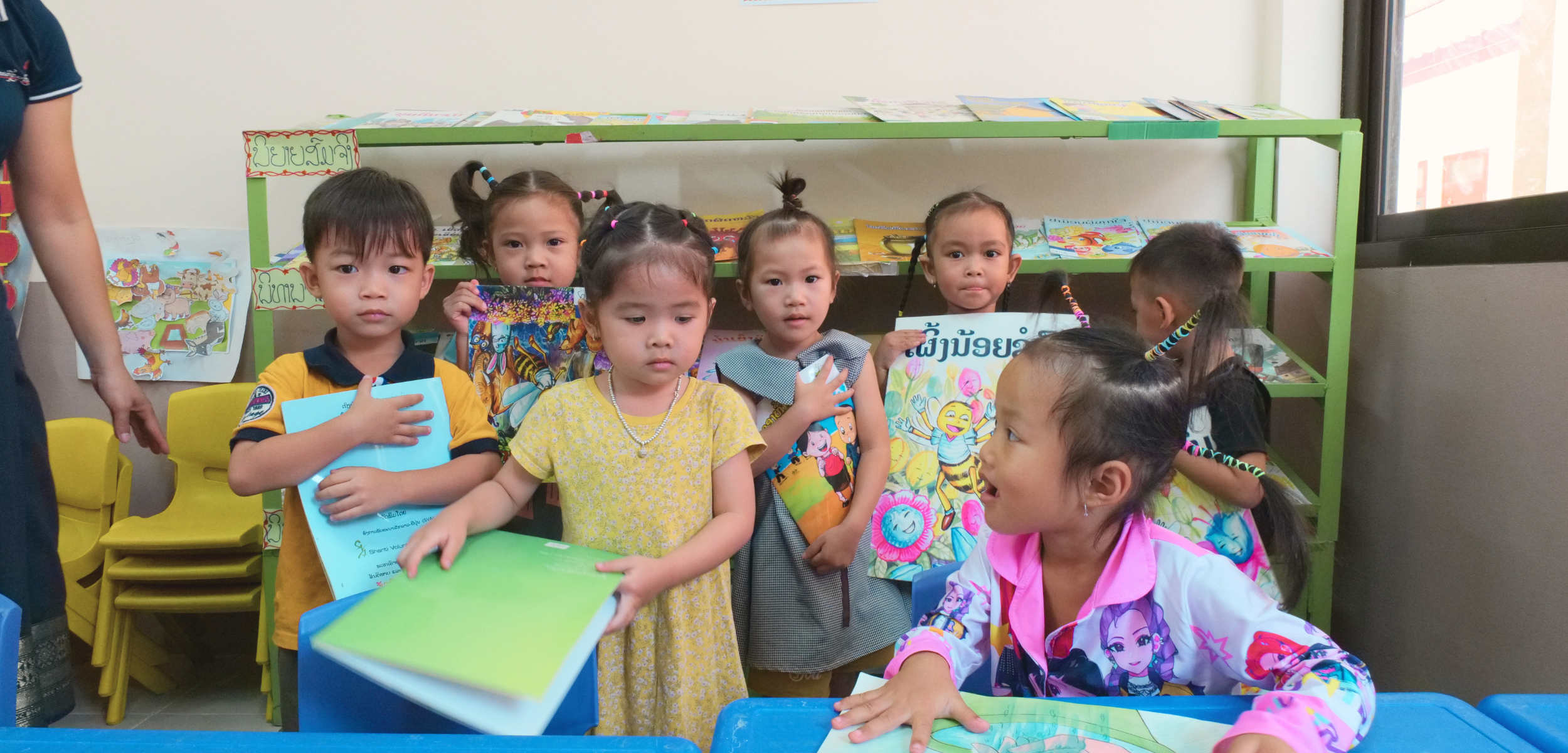
The roundtable brings together organizations working across India and Africa, home to some of the world’s youngest and fastest-growing populations. The Foundational Learning Collaborative, the Gates Foundation, FLOAT, FLIGHT Africa, Human Capital Africa, Elimu Soko, Wealth for Impact and other partners will discuss how we can work together to bring proven solutions to more schools, more communities, and more children — more quickly. The goal: implement programming in thousands of schools rather than hundreds, and build the infrastructure to create change at the systems level — change at scale.
Financing will be an important part of that discussion.
Changing the infrastructure requires changing the funding models. There is a growing need to rethink who invests in foundational skills — and how they do so. Around the globe, education has traditionally been seen as the government’s responsibility. Yet when we reframe the conversation to examine foundational learning as future-readiness, we see that the skills children learn in school will eventually shape the workforce that businesses rely on.
For businesses and philanthropies, investing in foundational learning means supporting the human capital of the future. Children who can read, understand numbers, communicate clearly and solve problems are better able to learn new skills as jobs and technology change. They are also better equipped to distinguish credible information from misinformation, adapt to new knowledge, make decisions under uncertainty, and participate fully in civic and economic life.
The reason is simple: the workforce of 2040 is already in today's classrooms. What happens in those classrooms now will shape the workers, businesses and economies of the future, but also the citizens, innovators, and decision-makers who will navigate and shape an increasingly complex world.
Our approach to foundational learning

You might also be interested in...

Education reform: Why policy and practice must be aligned
Poornima Garg, Country Director, Room to Read in India

Addressing linguistic complexity in Indian classrooms
Stuti Jain, Manager of Instructional Design and Structural Support

When girls go to school, who takes care of everyone else?
Nivrita Durgvanshi, Associate Director, Literacy Portfolio