
Differentiated learning: Designing reading materials for all children
July 22, 2026
By Deepali Agarwal
Quality Reading Materials Lead
Room to Read in India
Ensuring all children experience the joy of reading requires an essential, critical question: Whose experiences are we leaving behind?
In 2025, Room to Read brought together educators, publishers, disability rights advocates and psychologists in New Delhi, India, for a workshop on creating inclusive, dignified reading material for children with differentiated learning needs — what UNICEF defines as addressing the diverse needs of children within and outside the school system, including tailoring educational content to accommodate individual learning styles and abilities — locally referred to as the Children with Special Needs initiative.
The goal was clear: to better understand the complexity of differentiated learning within India's education system, examine existing approaches and learn directly from experts working to make educational content more inclusive of differentiated learning needs.
Hosted by Room to Read’s literacy team in India, the workshop made room for listening, learning and asking hard questions — questions about representation, access and design:
- Are we creating reading materials that empower every child? Are we unintentionally reinforcing exclusion through our current content?
- How can we better design books and other content that reflect the diverse ways children learn?
- What would it take to adapt existing content — or create new materials — that support children whose needs have too often been overlooked?
Throughout the day, participants shared practical examples of how books and educational content designed for differentiated learning can foster joy, curiosity and confidence while ensuring more children can fully participate in the reading experience.
Professor Monimalika Day of Dr. B.R. Ambedkar University, Delhi, grounded the conversation in critical pedagogy and the Universal Design for Learning framework, developed by the Center for Applied Special Technology. Universal Design for Learning is built on a simple but powerful mission: to design learning experiences that give every child greater agency and multiple ways to engage, learn and demonstrate understanding.
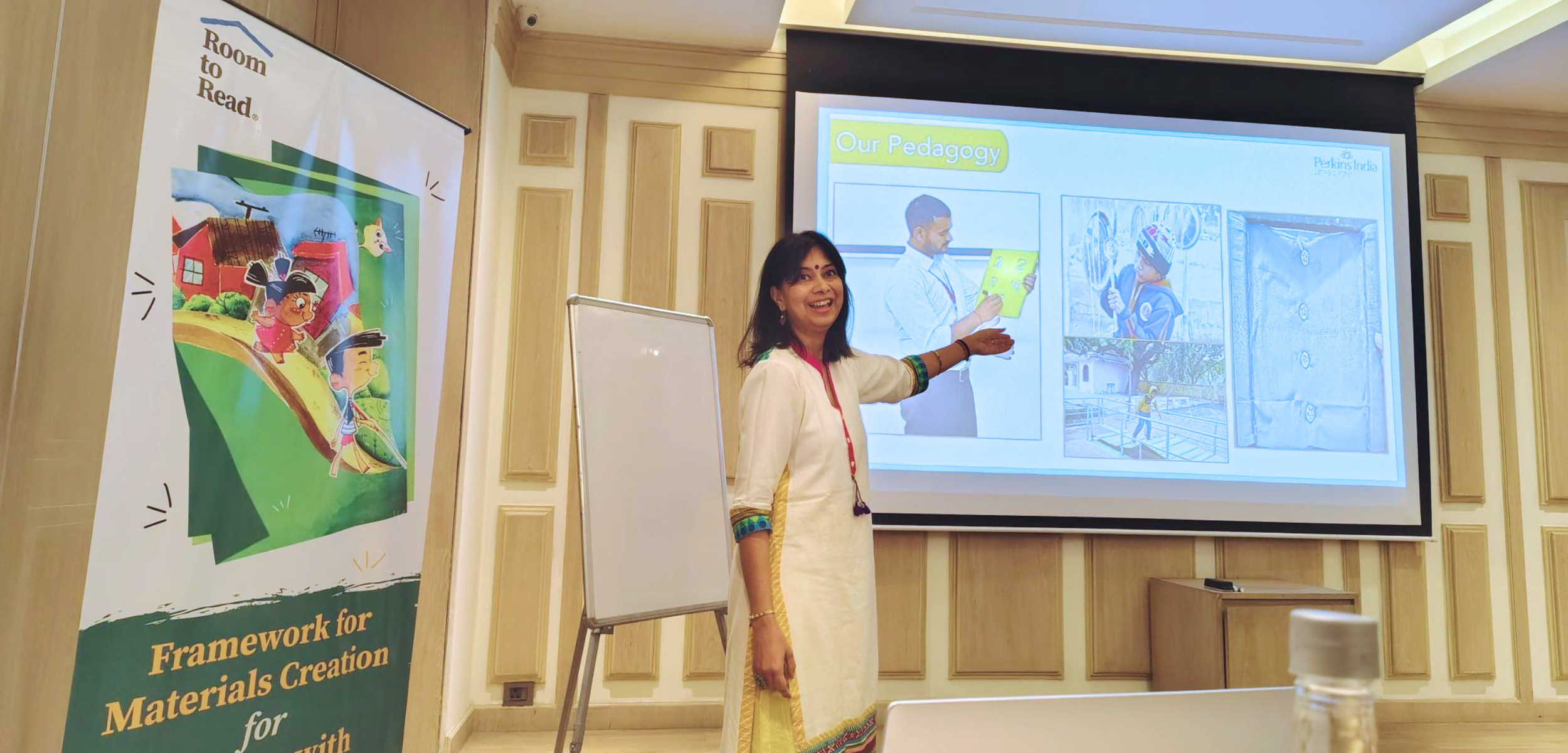
The discussion highlighted that accessibility requires much more than adapting existing materials. Consider a picture book translated into Braille. While the text can be converted, the illustrations — an essential part of storytelling in children’s literature — require thoughtful interpretation. Colors, expressions, textures and visual details may need tactile elements or descriptive adaptations so children with visual impairments can experience the story in meaningful ways.
Representatives from Karadi Tales, a Chennai-based publisher, and Chetana Charitable Trust demonstrated what truly accessible books can look like. Their tactile books incorporate materials such as cloth, wool, LEGO® bricks, buttons, Velcro, textured paper, recycled plastics and sand, along with movable elements that invite children to explore stories through touch.
These elements provide young readers with a safe way to experience and process stimuli in their environments and help develop children's cognitive growth and fine motor skills, demonstrating how differentiated learning can benefit all children.
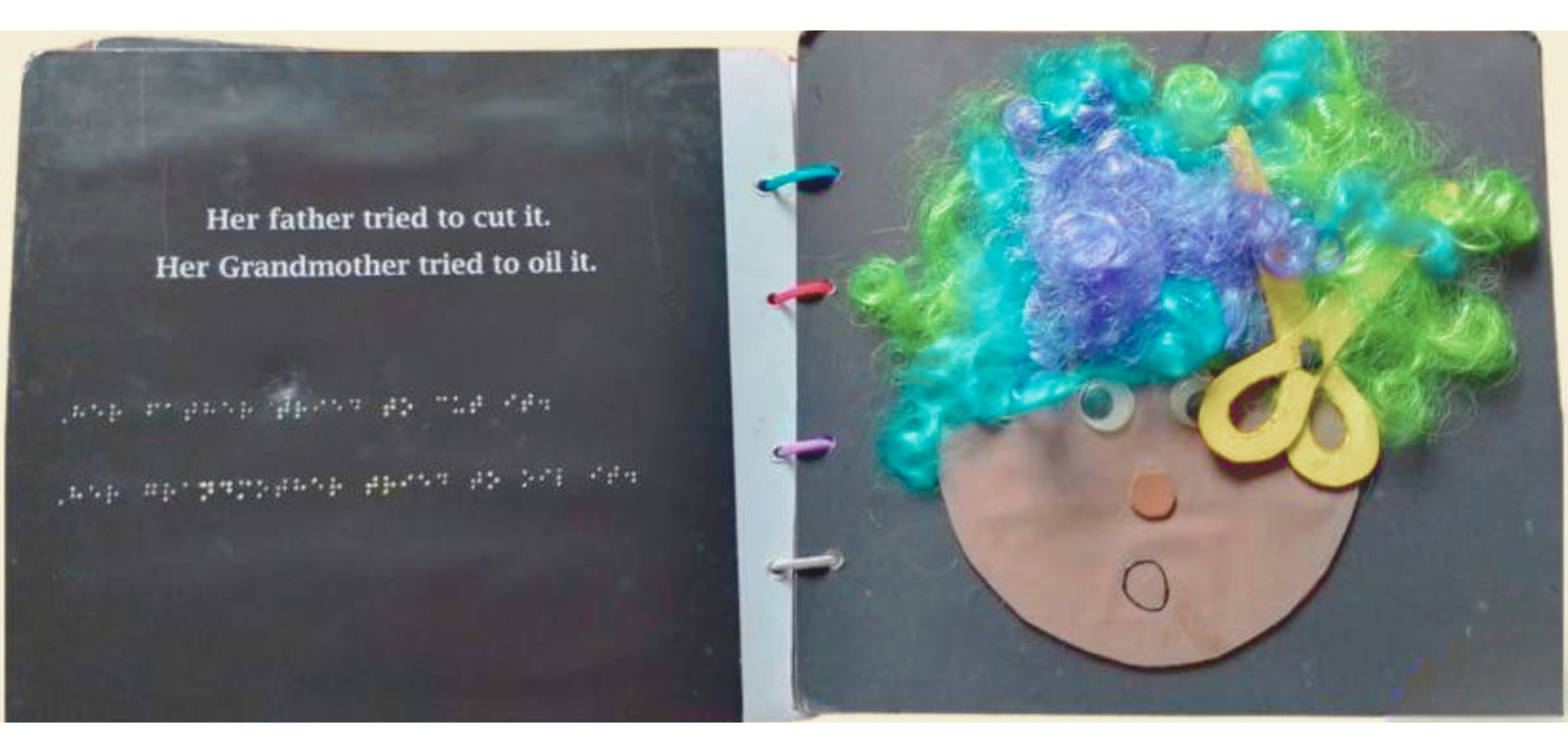 A tactile book from Chetana Charitable Trust's Library
Shobha Viswanath of Karadi Tales described this content as "born accessible" — books intentionally designed from the outset with differentiated learning in mind. By embedding accessibility into the creative process, these books become highly engaging reading experiences for children with diverse learning needs, challenges or disabilities, and those without, creating more inclusive opportunities for everyone to discover the joy of reading.
The workshop also highlighted innovations from smaller organizations. Organizations like Astha, which showcased how everyday, low-cost materials can become effective teaching aids and learning support structures in under-resourced classrooms. For some children, for example, participating in a reading activity may require support with sitting comfortably at a desk, holding a book, turning pages or gripping a pencil. These needs can easily be overlooked when developing books and other learning materials, and designing libraries and other program delivery structures.
Yet simple accommodations — such as book stands, adaptive grips or supportive seating — can make a significant difference in helping children participate independently and confidently.
This work reminded participants of a powerful truth: that educational access extends beyond books themselves.
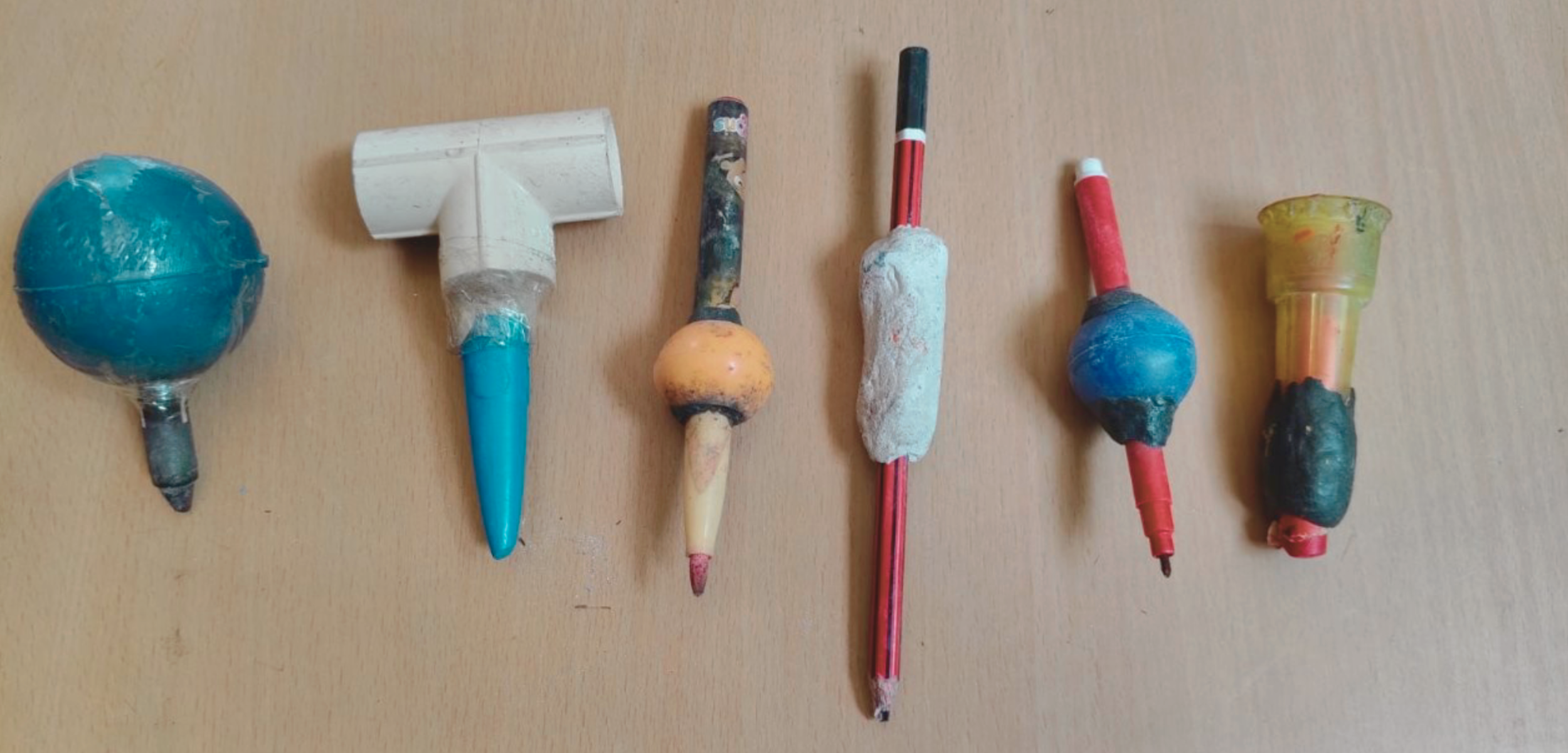
Children's grips from India-based nonprofit organization, Astha
Across every session, a powerful thread emerged. Inclusion is not about adding representation as an afterthought or retrofitting existing materials. It begins with intentional design — creating books and learning experiences that reflect the many ways children see, move, communicate, and experience and interact with the world.
Room to Read a is committed to building on these learnings in India. In the coming years, we will evaluate how our books and literacy resources can be adapted into formats such as audiobooks, audio-visual read-alouds, Braille and tactile books. We will deepen partnerships with government agencies and organizations to co-create new accessible content and explore opportunities to develop original materials designed for differentiated learning from the beginning.
Equally important, we will continue exploring how educators can be equipped with the knowledge and tools to use these resources effectively. Creating inclusive books is only part of the solution. Ensuring they are meaningfully integrated into classrooms and communities is what will ultimately help every child experience the power and joy of reading.
Learn about our unique approach to foundational learning

You might also be interested in...

Addressing linguistic complexity in Indian classrooms
Stuti Jain, Manager of Instructional Design and Structural Support

Education reform: Why policy and practice must be aligned
Poornima Garg, Country Director, Room to Read in India


When girls go to school, who takes care of everyone else?
Nivrita Durgvanshi, Associate Director, Literacy Portfolio