
From childhood challenges to a future of possibilities: Faima’s journey of healing and resilience
November 24, 2026
By Delphina Ntangeki
Senior Officer, Communications
Room to Read in Tanzania
Faima was just three years old when her father died in a construction accident. His death marked the beginning of years of upheaval. She moved between households, first living with her grandmother and later with her aunt. Each relocation brought new uncertainty, particularly when it came to staying in school.
After one move, Faima spent four months out of school. As she watched other children walk to class each morning, she longed for the chance to learn.
Her longing eventually caught the attention of a compassionate landlord, who helped enroll her in primary school when she was nine. At last, Faima had an opportunity to pursue the education she had for so long been eager to receive.
But the prospect of greater stability was short-lived. Her mother developed a heart condition and returned to her grandmother's home to receive care, once again disrupting family life. Amid this uncertainty, a caring primary school teacher became an important source of encouragement, helping Faima remain focused on her studies.
Yet staying in school did not mean the difficulties she had experienced simply disappeared. Years of loss and instability had taken an emotional toll. Faima struggled with anger and often found herself in conflict with others. Unable to manage the feelings she carried, she came close to abandoning her education altogether.
Learning to navigate life's challenges
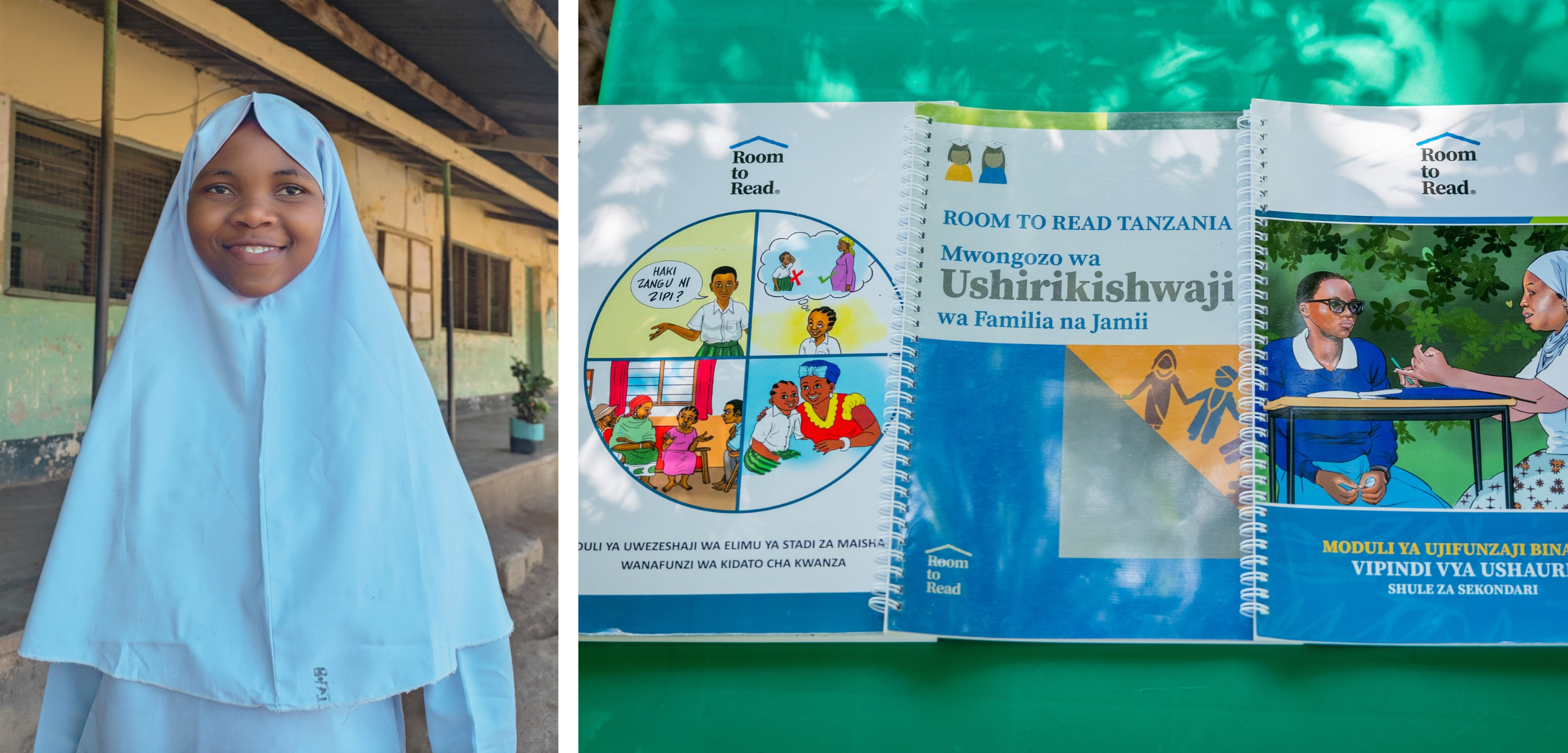
A turning point came when Faima transferred to a school implementing Room to Read’s Girls’ Education Program. Through our life skills programming, she began to understand that although she could not rewrite her past, she could build a new future.
The life skills sessions introduced practical ways to recognize and manage emotions. Faima discovered that singing her favorite songs helped her calm down, while throwing small stones in an empty space gave her a way to release tension. Talking to someone she trusted also helped her work through difficult feelings.
Gradually, she became more conscious of how she reacted to others. Instead of responding immediately when upset, she learned to pause, reflect on her actions and apologize when she had hurt someone.
One classroom discussion proved especially meaningful.
During a life skills session, Faima’s friend, Arafa, asked their teacher how to help someone who seemed angry all the time. The teacher used the question to introduce empathy, explaining that people may be dealing with difficult experiences that others cannot see.
The discussion resonated deeply with Faima. For perhaps the first time, she recognized that the feelings behind her anger might be understood rather than judged. After the session, she approached her teacher and shared the experiences and emotions she had kept to herself.
That conversation marked an important step toward healing. With her teacher's guidance and her friend's encouragement, Faima began to feel less isolated. She understood that asking for help was not a sign of weakness and that she did not have to navigate every difficulty on her own.
Turning growth into purpose
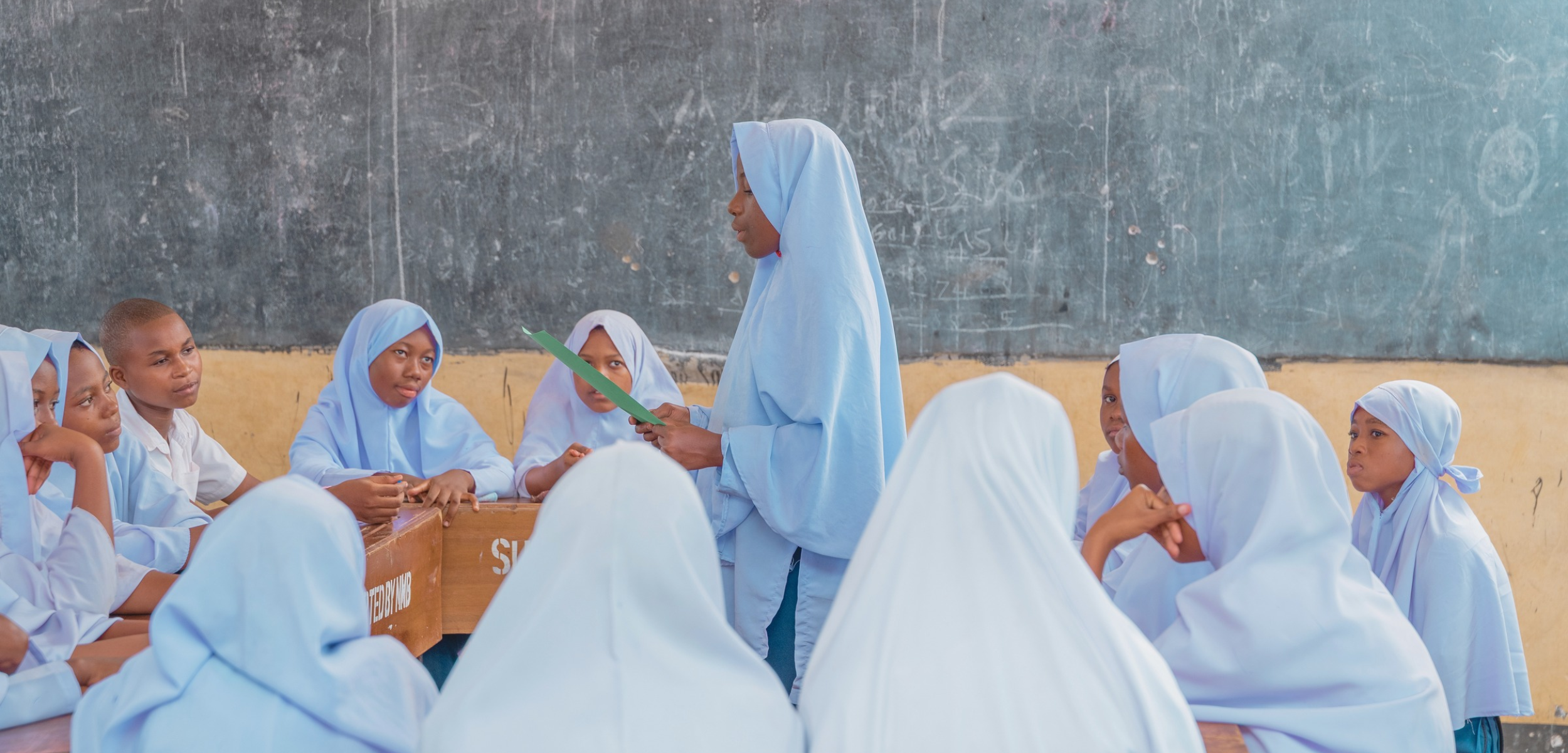
Today, Faima is a Form 1 student in Tanzania’s Tanga region. She is a talented singer, an active peer leader and an aspiring electrical engineer. More importantly, she has begun using what she has learned from life skills programming to create a positive environment for those around her.
She regularly helps classmates with their studies, mediates when disagreements arise and takes the lead during group mentoring sessions. Her musical talent also brings joy to school events, giving her another opportunity to connect with her peers.
Her ambitions also extend beyond a profession. Faima hopes to mentor vulnerable girls facing circumstances similar to those she experienced. She wants to help them understand their rights, express themselves and develop the self-belief to pursue their aspirations.
The experiences that once threatened to interrupt Faima's education have become part of a larger story — one in which she is finding her voice, discovering her strengths and preparing to help others do the same.
Her past remains part of her story, but it no longer defines its possibilities.
Learn more about our life skills programming

You might also be interested in...

Room to Read Launches Africa Regional Advisory Board and Announces $75 Million Fund to Support the Expansion of Foundational Learning Across Continent During Joint Board Session in South Africa

Girls’ education in Africa: The most powerful investment we can make
Zamaradi S. Islahi, Global Director, Room to Read Gender Equality Portfolio
