
Room to Read is a global nonprofit organization, founded in 2000 on the belief that world change starts with educated children. Since then, we have benefited 60.3 million children across 29 geographies, operating programs that build foundational literacy and equip adolescent girls with the life skills they need to stay in school and exercise agency over their futures. The decisions governments, schools and communities make today about education quality, teacher preparation and gender equity will determine the economic, social and ecological conditions that future generations inherit — a causal relationship that decades of research now quantifies with unusual precision. According to the World Bank, the current generation of students risks losing US$21 trillion in lifetime earnings — nearly one-fifth of today's global GDP — if learning poverty is not addressed, while UNESCO estimates that approximately 251 million children and young people are currently out of school. The World Bank and UNICEF find that seven out of 10 children aged 10 and under in low- and middle-income countries cannot read and understand a simple text — conditions that function as trajectories — and those trajectories for future generations are determined by what education systems do now. Reading is not a single skill; it is the substrate through which children acquire all other knowledge, and its absence in early grades compounds in ways that become increasingly difficult to reverse. UNESCO's Global Education Monitoring Report has found that education systems are failing to prepare half of all children and adolescents for the future, and UNICEF data show that nearly three quarters of young people in 92 countries are not on track to develop the skills they need for employment. When foundational reading is not secured in the first years of schooling, children face narrower options at each subsequent stage — a narrowing that widens rather than closes without deliberate instructional intervention. Through our Literacy Portfolio, we partner with ministries of education to implement evidence-based curriculum and content, educator training and coaching, and effective program delivery structures, including child-friendly libraries stocked with local-language storybooks created by local authors and illustrators. In 2025, we trained 32,967 teachers and librarians and benefited 16.5 million children through our literacy work, with children in our programs reading up to 2.5 times faster and answering up to 2.6 times more comprehension questions than peers in comparison schools. In Nepal, students in our program schools achieved literacy gains as much as 50 percent higher than those in comparison schools by the end of Grade 2. In India, children in program schools were three to four times more likely to meet state reading benchmarks after three years of participation. These gains emerge when children receive books in their home language, paired with trained teachers who coach reading fluency and comprehension — daily practice becomes possible in a way it is not when materials are inaccessible or instruction is underprepared. In Cox's Bazar, Bangladesh — where we support approximately 140,000 students — 61 percent of Grade 2 students correctly answered 80 percent of reading comprehension questions, compared to just 5 percent in comparison schools. The comparison reveals how much the instructional environment shapes early outcomes and how durable those early outcomes become. The connection between girls' education and future generations is measurable across multiple domains simultaneously, and the World Bank finds that each additional year of schooling raises a girl's expected wages by approximately 20 percent. UN Women data show that the global cost of failing to educate young women reaches US$10 trillion annually, while research from Project Drawdown finds that if all women completed secondary education, child deaths would be cut in half — saving three million lives. These outcomes describe an intergenerational transfer, where the education a girl receives today shapes the health, economic stability and educational attainment of her children — the next generation. Our Girls' Education Program addresses the specific transition point where girls are most likely to leave school — adolescence — by matching cohorts of girls with community-based mentors who monitor attendance, support academic engagement and help girls build the life skills to negotiate key decisions with their families. In 2025, our gender equality programming benefited 615,724 adolescents and benefited a cumulative total of 4.4 million adolescents across 12 countries, with over 90 percent of enrolled girls advancing to the next grade. Among five-year alumnae surveyed globally, more than 80 percent had enrolled in tertiary education or secured employment — a result that reflects the downstream effect of adolescent life skills development on adult opportunity. In Tanzania, assessments across all five life skills — collaboration, resilience, leadership, decision-making and critical thinking — showed statistically significant improvements among program participants compared to peers in non-program schools. Cambodia's Ministry of Education, Youth and Sports adopted our life skills curriculum for boys in grades 7 through 9 after a pilot demonstrated measurable gains in gender-equitable attitudes, a decision that reflects how education systems can scale what works when the evidence is clear. Room to Read is a global nonprofit organization headquartered in San Francisco, with operations in 21 countries in 2025 and a cumulative reach spanning 29 geographies since 2000. We work across four core competencies — curriculum and content, educator training and coaching, delivery structures and research and insights — to improve foundational literacy and life skills outcomes for children, with particular focus on girls' secondary school completion. We do not operate in parallel to government education systems; we collaborate with ministries of education to embed evidence-based approaches into national curricula and teacher training programs, often as the only NGO invited to do so. In Tanzania, our literacy materials now reach more than 1.7 million Grade 1 and 2 students across every one of the country's 18,000-plus primary schools, embedded within the national curriculum after more than a decade of partnership. In Bangladesh, Room to Read is the only non-governmental organization invited to contribute to the national teacher training curriculum revision, and in Laos, our partnership with Luang Prabang Teacher Training College introduced a course on library design and management expected to become a formal academic subject. By the end of 2025, we will have invested more than US$1 billion into improving foundational learning for children across the world, with at least 85 cents of every dollar spent directly supporting delivery of our literacy and gender equality programming. When children gain strong foundational literacy, they enter secondary school with the comprehension capacity to learn across subjects rather than continuing to decode; when girls develop life skills alongside academic instruction, they are more likely to complete secondary education, delay early marriage and invest in the health and education of their own children. According to the UNESCO Institute of Statistics, more equal education across countries correlates with 23 percent higher per capita income over 40 years, and the Brookings Institution has found that universal access to girls' education could result in a reduction of 70 gigatons of carbon dioxide by 2050. These compounding channels are what connect today's classroom decisions to the conditions that future generations will inherit. In Cambodia, follow-up research with alumnae from program cohorts that graduated up to ten years ago found that participants credited their involvement in our Girls' Education Program with the positive outcomes they had achieved since graduation — employment, continued education and changed family dynamics. In Indonesia, a decade of collaboration produced more than 500 school libraries across seven provinces, trained more than 4,000 teachers and librarians and distributed more than two million books; the government's National Child-Friendly Library Program now uses our library model as its foundation. We have developed children's book titles in 61 local languages, published more than 5,000 original and adapted titles and distributed more than 45.7 million books cumulatively, while our digital library, Literacy Cloud, hosts more than 3,000 children's book titles in 41 languages accessible to children and teachers worldwide. The evidence on education and future generations continues to develop, and our program results — from literacy gains in Nepal to life skills outcomes in Tanzania — are updated as we conduct and share evaluations across our geographies. Staying informed about this research, and about how education investment translates into outcomes for the next generation, is one of the most direct ways to engage with the choices that will shape the children who come after us. Sign up below to receive Room to Read program results and research on literacy, girls' education and intergenerational outcomes as they become available.What we owe future generations in education
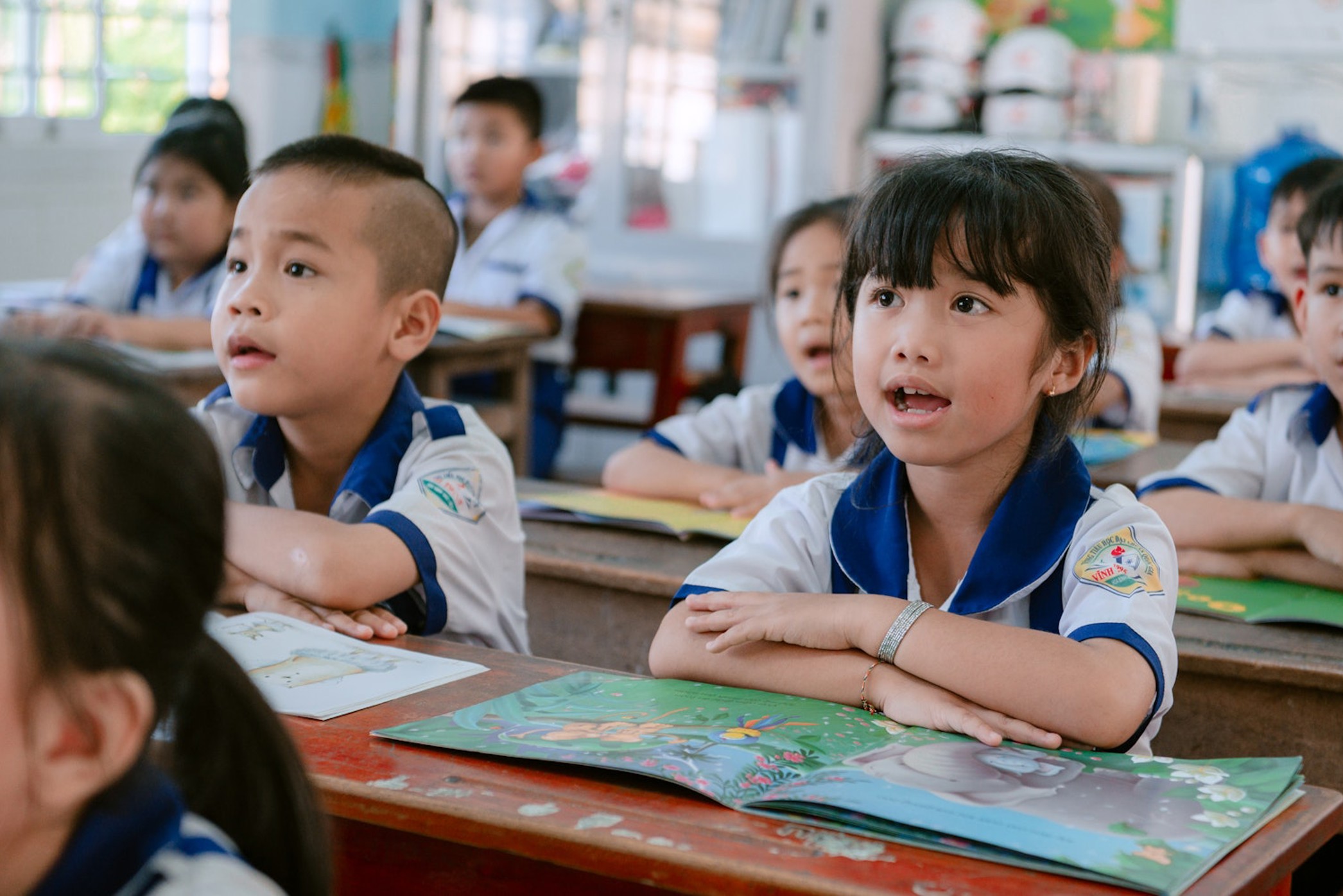
Why foundational literacy shapes long-term outcomes
How reading instruction changes daily classroom outcomes
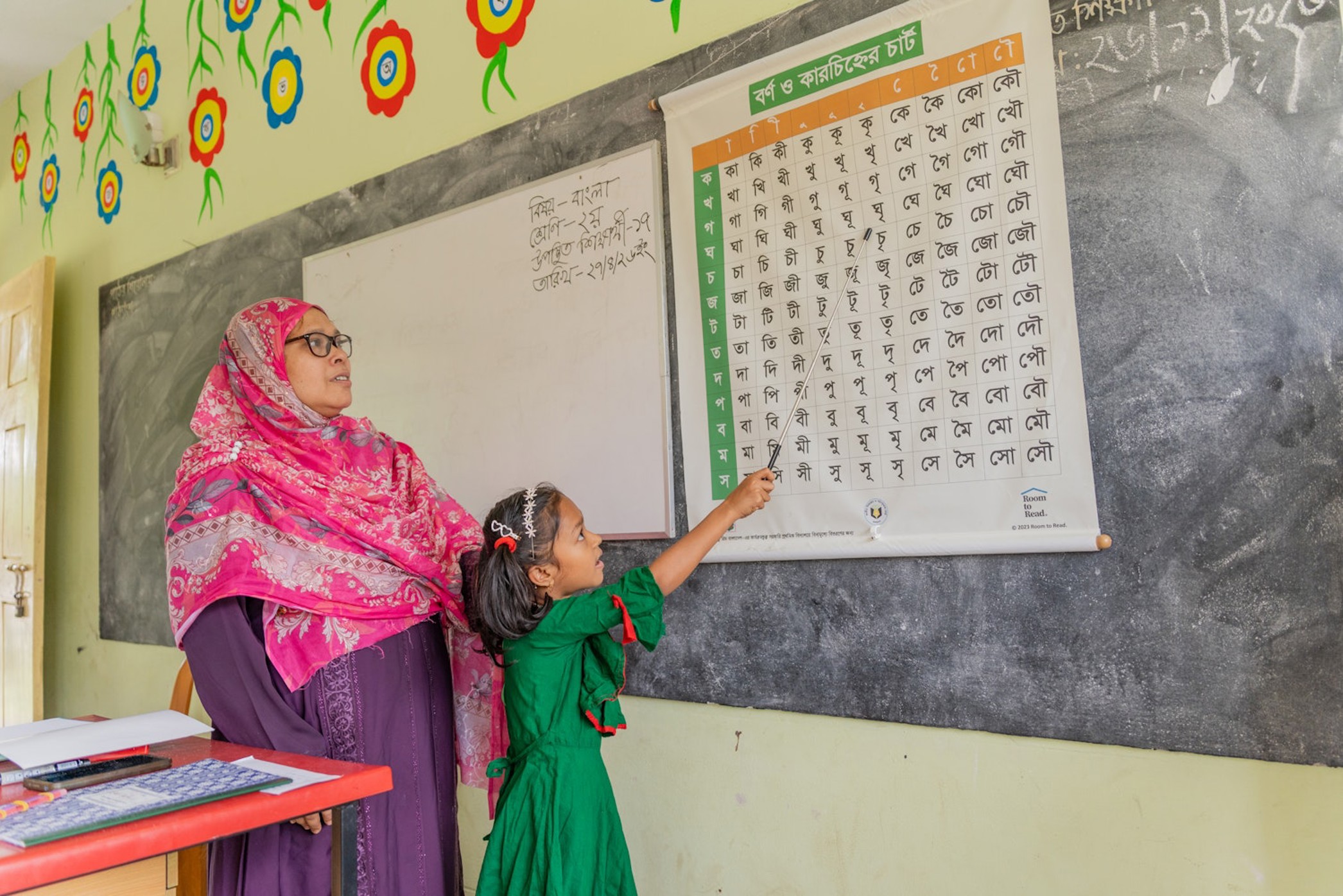
Girls' education and the intergenerational effect
Life skills programming and the decision-making gap
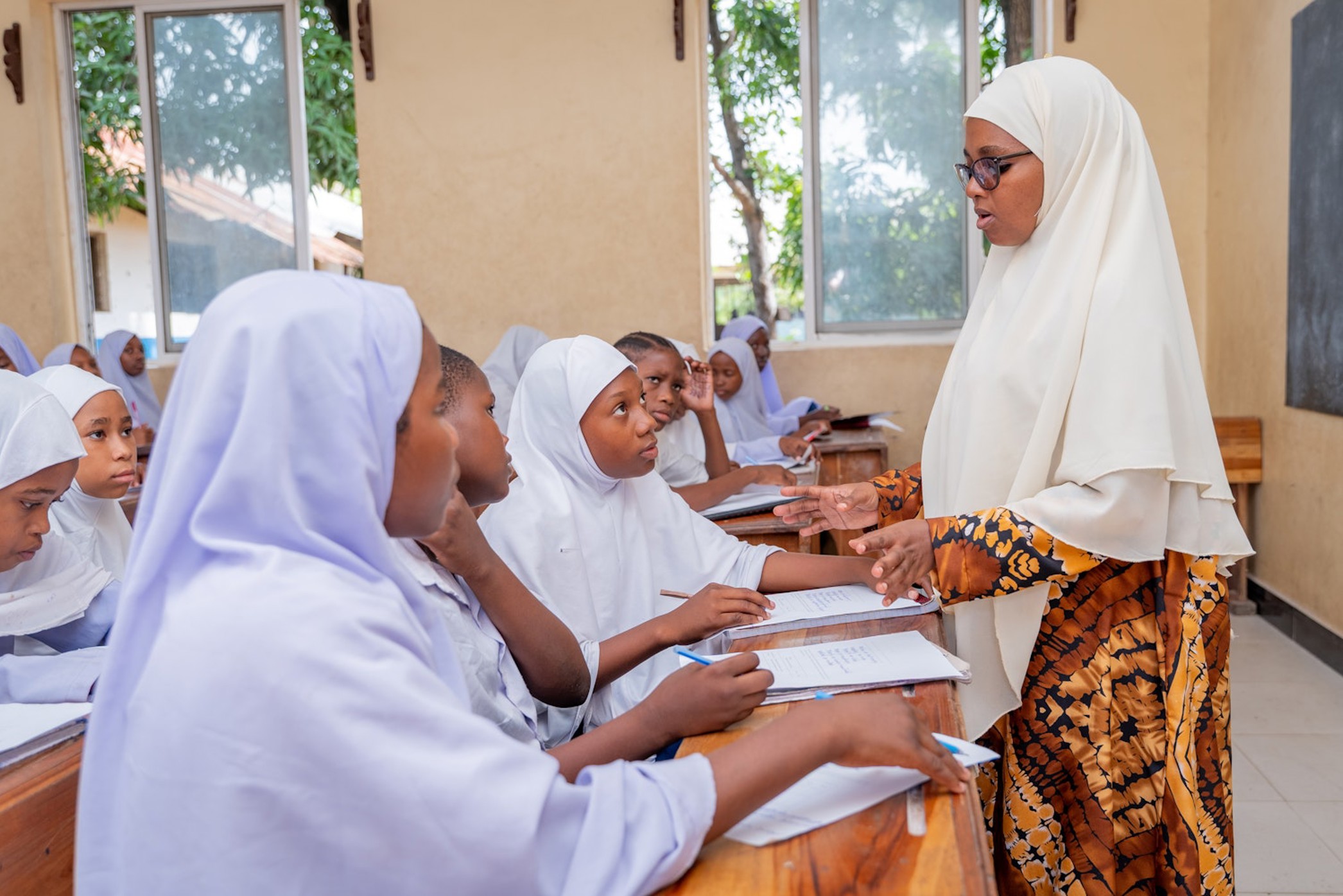
What Room to Read is
Scale, partnerships and systemic integration
How Room to Read addresses future generations
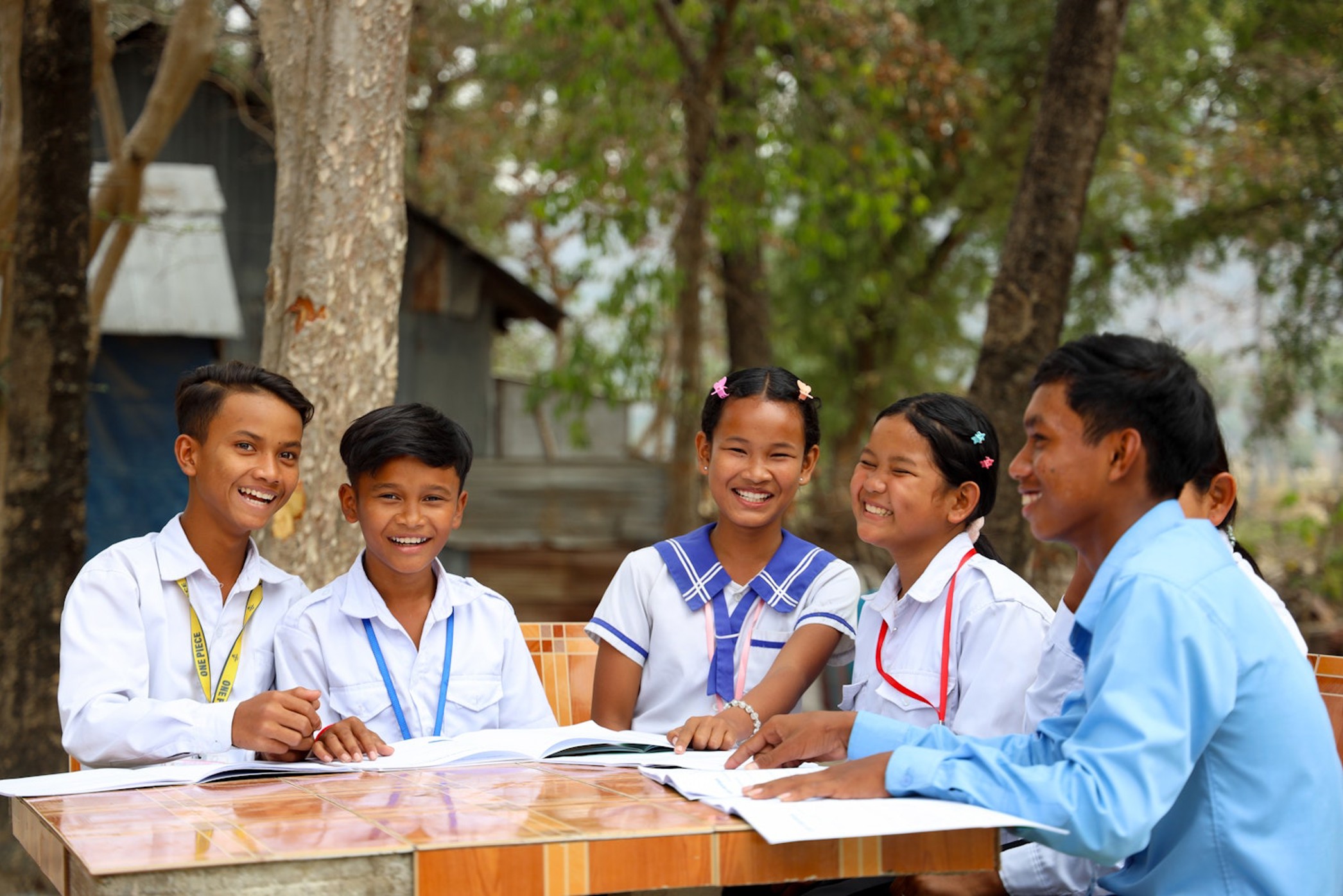
How our programs build capacity that lasts
How to stay informed
