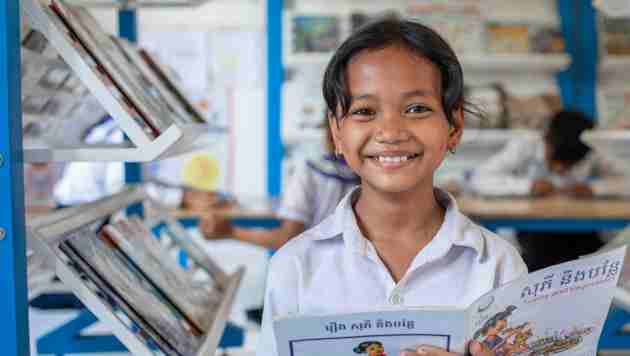
Working against racial inequality and poverty, Room to Read South Africa offers a comprehensive Literacy Program that combines home-language classroom instruction with high-functioning libraries. We partner with the Department of Basic Education, schools and communities to make a lasting impact.

South Africa
For nearly half a century, from 1948 through the 1990s, the practice of apartheid in South Africa deeply hindered educational and economic opportunities for non-white South Africans. Even today, the entrenched legacy of apartheid continues to cast a long shadow over South Africa's educational landscape, profoundly impacting literacy outcomes for millions of children. During the apartheid era, the education system was deliberately structured to provide inferior schooling to Black students, with significantly fewer resources, overcrowded classrooms, undertrained teachers, and curricula designed to limit rather than expand opportunities. Today, South Africa faces a critical literacy crisis that reflects the historical inequities of apartheid. Despite constitutional guarantees of educational rights, nearly 8 out of every 10 children cannot read with comprehension in any language by the end of Grade 3, a staggering statistic that underscores deep-rooted systemic challenges. Rural and economically marginalized communities are disproportionately affected, with schools lacking basic infrastructure like libraries and textbooks. Moreover, many schools have student populations who speak a variety of different languages, and teachers with little or no training on teaching in multi-lingual environments. Historical context
This systemic educational discrimination created generational gaps in learning, with many parents who were themselves denied quality education now struggling to support their children’s academic development. 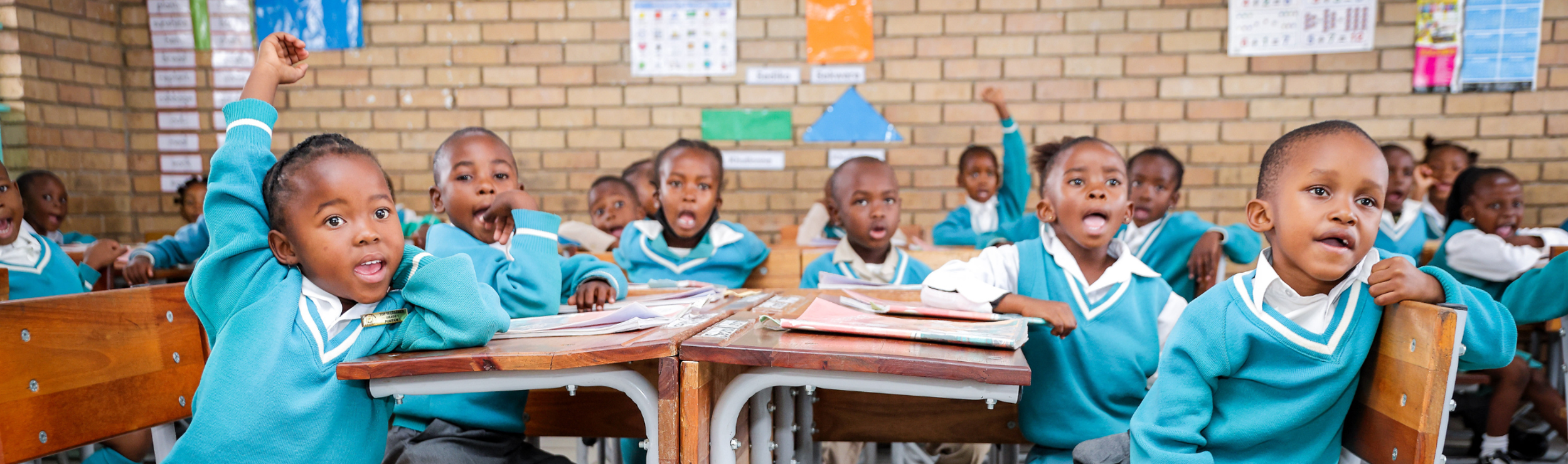
Current learning challenges
This challenge is further compounded when students must begin learning in English in Grade 3, representing a significant challenge for non-native English speakers to keep up with their studies. These compounding factors create a cycle of educational disadvantage, where children are unable to develop fundamental reading skills that are crucial for future academic success and socioeconomic mobility.
The Latest from South Africa
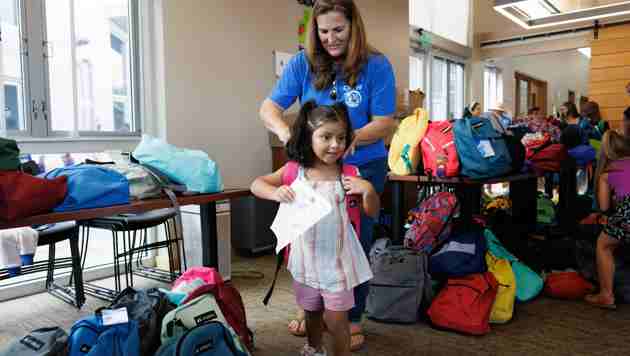

The power of children’s libraries: supporting literacy and building community
Christabel Pinto, Vice President, Room to Read's Literacy Portfolio
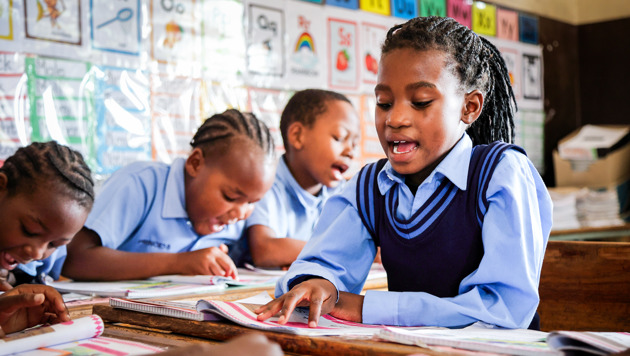

Reading Champions: Scaling Room to Read’s library approach to nurture a strong culture of reading in South Africa