Why are libraries important to a community: A Room to Read expert explains
January 29, 2026

By Quynh Le
Global Literacy Manager
Room to Read's Literacy Portfolio
I am a literacy specialist. I've worked with Room to Read and other organizations for nearly 15 years. I have partnered with writers and illustrators, and educators across Asia, to create high-quality reading materials and storybooks for children. I have also worked to ensure that those books are broadly accessible to children and communities, no matter the context. I am well-versed in answering a common question across cultures: Why are libraries important to a community?
Every time I visit a new place, I seek out bookstores and the local community library, if one exists. From both personal and professional experience, I believe that through observing what happens in the library, we can more deeply understand the characteristics of that community.
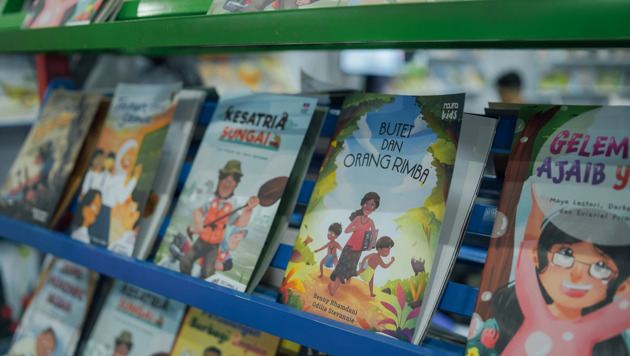
When I first started this practice, I focused on the books. The books reveal the topics that library users are most interested in reading, the topics they most care about. The Neilson Hays Library in Bangkong offers shelves filled with books on South Asian histories. A library I visited in the agricultural-rich region of Naejangsan, South Korea, houses books on soil, farming and cultivation. And in Saigon, the library is home to rows and rows of children’s books.
In 2018, I visited a small library in New York. I was surprised to discover more than a book check-out system. In that library, I saw mothers bringing their children to listen to stories. I saw sessions on parenting, during which mothers shared experiences and advice in a safe, communal setting. I also saw groups of middle school students discussing research projects and, in private rooms, practicing musical instruments in preparation for recitals.
I realized that for this community, the library is not just a place to gather and store books. It is a place to connect.
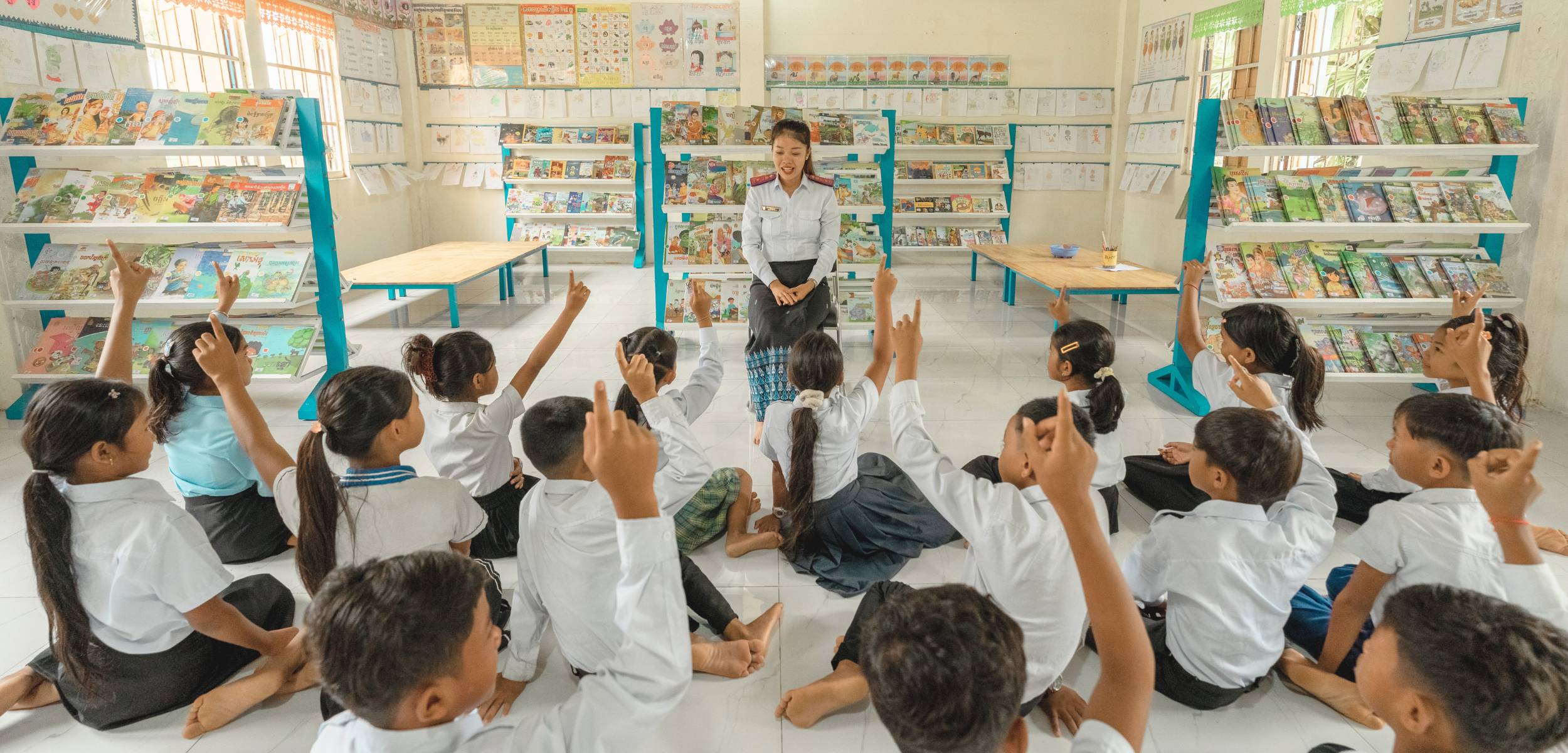
While surprising at the time, it should not have been. At Room to Read, we know that connection happens through books, through the sharing of information and stories, through learning together. Mothers who were previously strangers connect by reading to their children, together, identifying common interests and building trust and safety in which to share experiences. Children from different cultural backgrounds find common ground with classmates through learning projects, working together to uncover stories, histories and data on library shelves.
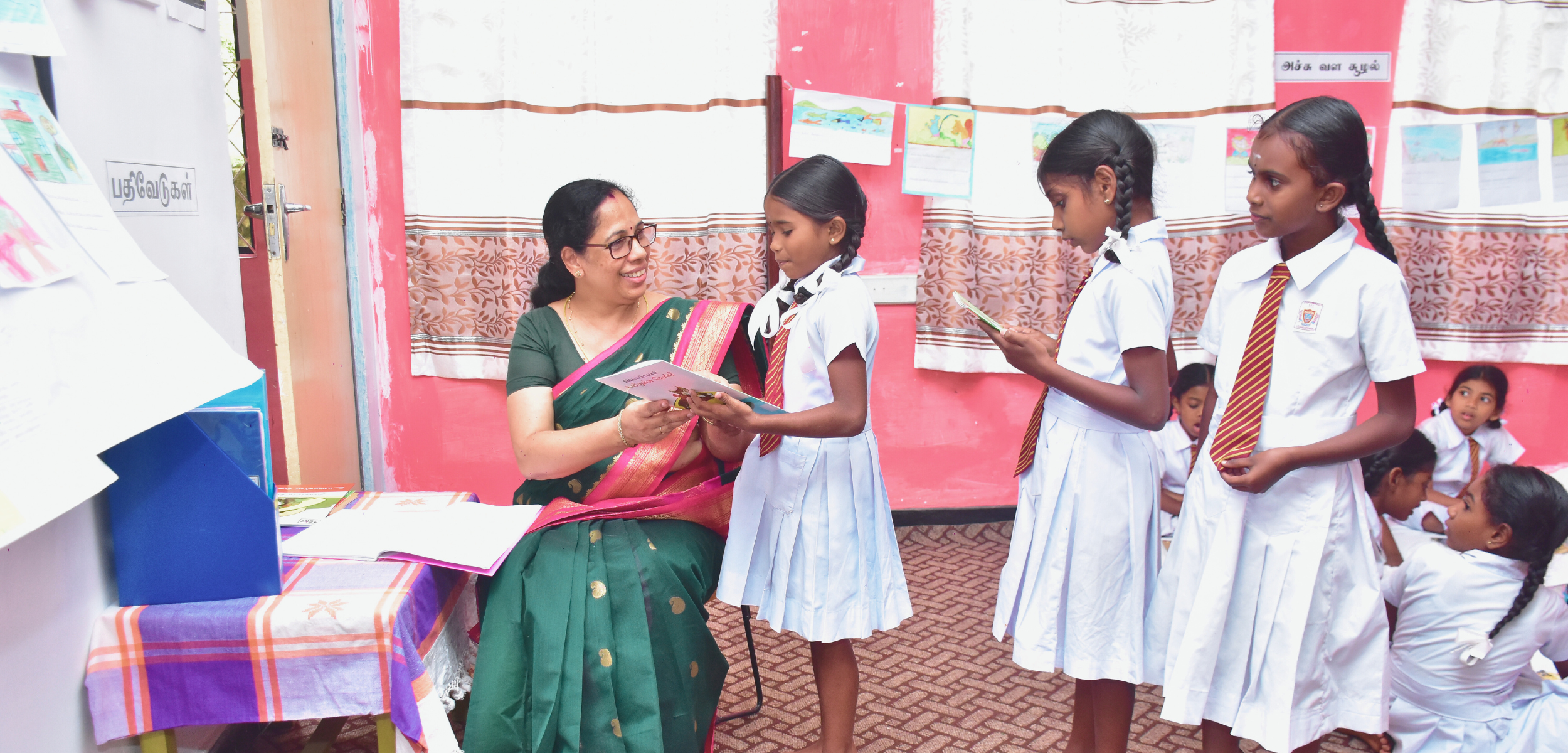
In 2025, I visited a Room to Read library in a primary and secondary school in Kandy, Sri Lanka. In that library, I saw more than just books covering the shelves. I saw the principal orienting educators on Room to Read’s library model, implementing critical reading activities for children. The librarian was preparing lessons for the next class. Parents and community members had just decorated the space with bright, friendly colors and helped arrange the books.
I met an emotional parent outside who expressed thanks for the Room to Read's library. Her children, she said, grow up every day through reading. The stories shift their perspectives and challenge them to think in new ways about their futures.
Walking through the library, I saw a diary recording community contributions to the library, donations of time and funds detailed in perfectly neat handwriting, expressions of gratitude for how the library had changed the lives of children and families. This, I thought, is the most beautiful response to the question: Why are libraries important to a community?
After visiting the library in Kandy, local families were inspired to set up reading corners at home for their children. Walking about 10 minutes from the school, I visited two nearby families and their children's bright, tidy reading corners. Their parents had dedicated a room or a corner in the house to set up shelves and tables for their children to read and study. The children, in turn, were motivated to decorate their home libraries with cozy furniture, storybooks and plants.
The library had become a source of inspiration for long-term learning and education.
And, of course, a library is still about the books. A community library is a place where books are anchored. For countries with weak publishing industries, like most of the countries where Room to Read is operating, it is normal for books to be printed only once and never reprinted. On average, each time a publisher prints, they only produce about 1,000 copies.
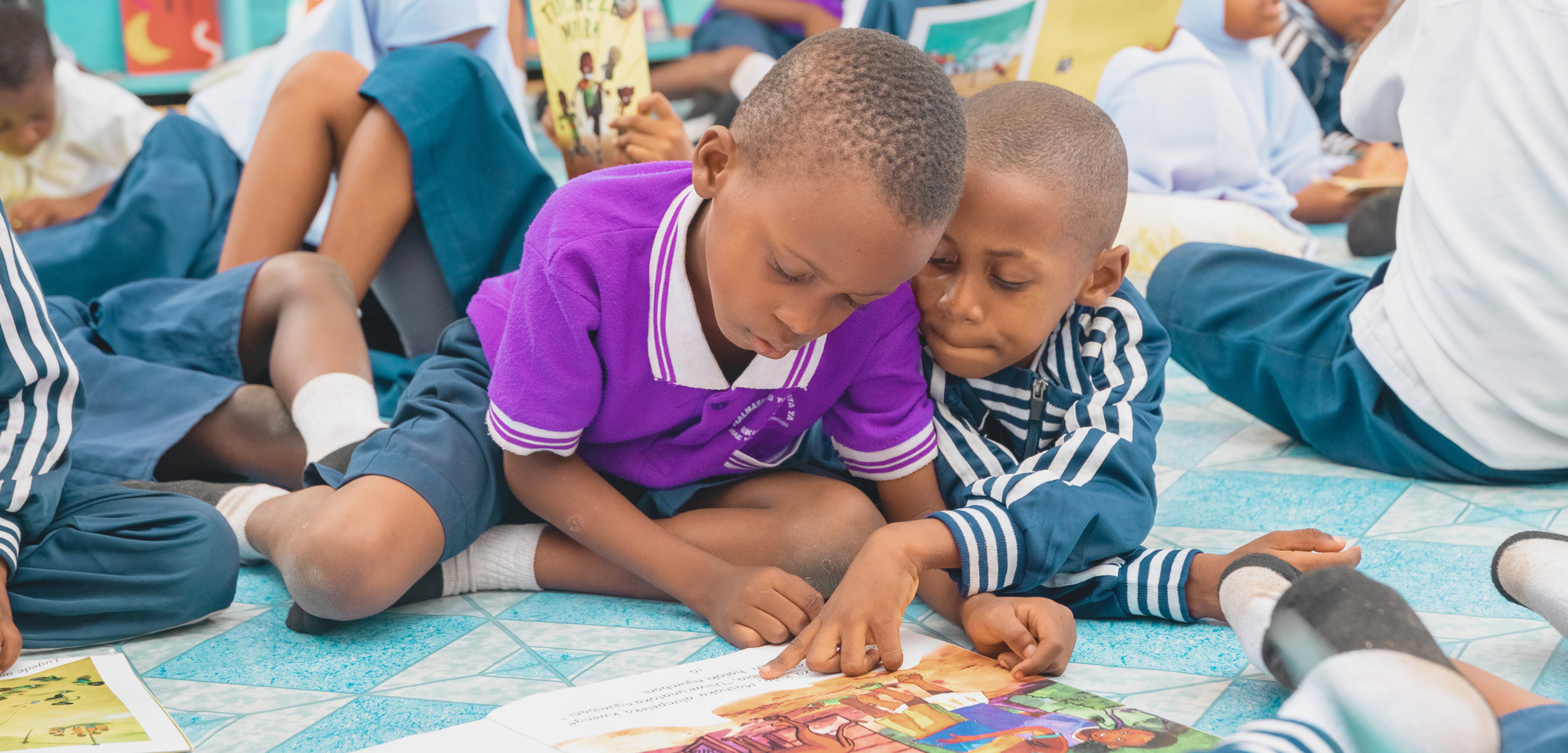
What does that mean? If families do not have access to a library, they have limited opportunities to access books of quality. Libraries are sometimes the only connecting point between publishers and readers in the community.
A library, then, is many things: It is the heart of the community where it is built and maintained, revealing the needs and concerns of the people who frequent it. And it is a source of connection — to stories and ideas, to people, to learning, and ultimately, to a world of possibilities.
Explore our Literacy Portfolio
You might also be interested in...


Why are libraries important to a community?
Mahesh Pathirathna, Global Literacy Advisor, Room to Read’s Literacy Portfolio