
What one Grade 1 classroom in India reveals about gender, care and access
When girls go to school, who takes care of everyone else?
February 17, 2026
By Nivrita Durgvanshi
Associate Director
Room to Read's Literacy Portfolio
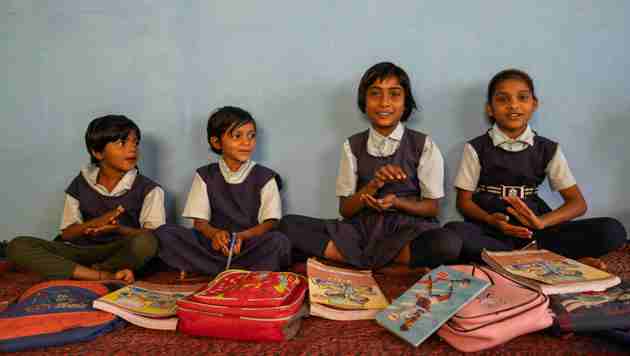
Kriti (name changed) is 6 years old and in Grade 1 in a Room to Read-supported government school in Sehore district, Madhya Pradesh, India. She comes to school to learn and grow. But every day, she also carries someone else’s needs with her.
Her 4-year-old brother sits beside her in the classroom — too young to be enrolled, too small to be left alone. In this shared space, Kriti lives two parallel lives: that of a student and that of a caregiver.
On one hand, she follows classroom instruction, completes her work and raises her hand to participate. On the other, she takes responsibility for keeping her younger brother engaged so that he does not disrupt the learning environment. What is striking is not just that she manages both roles, but how quietly and routinely she does so. 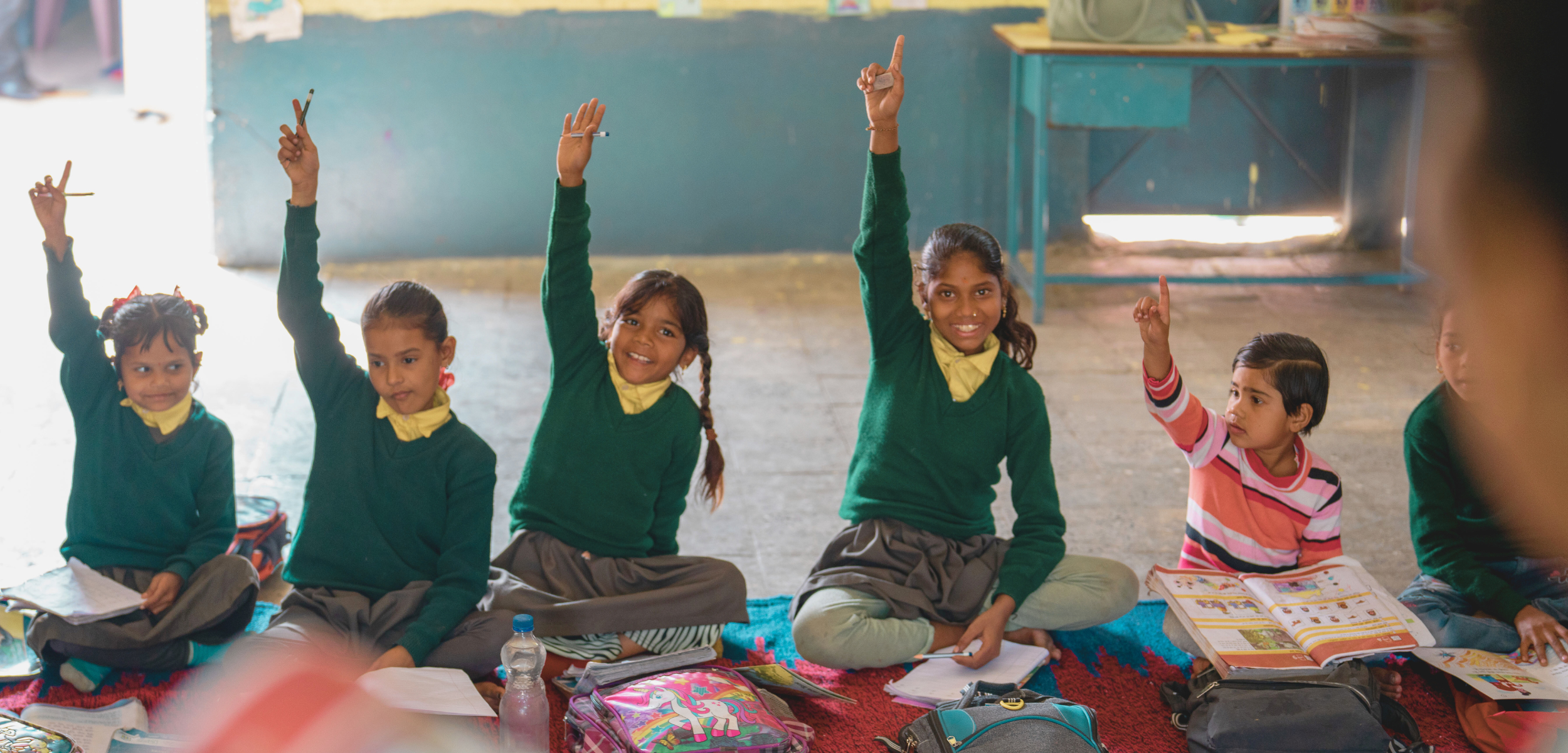
During a decodable reading activity, when the teacher asked students to read aloud, Kriti did not look up first. She quickly wrote three letters — “A, A, A” — in her brother’s notebook and slid it toward him. As he focused on copying the letter, Kriti returned to her lesson, read the text and answered the teacher’s questions with confidence.
Later, during an oral language activity, she again ensured her brother was occupied with a coloring task before completing her own work.
In a brief conversation, Kriti shared that her parents are daily-wage laborers who cannot take her brother with them to work. There is no preschool or early childhood facility nearby. In the absence of alternatives, the responsibility of care falls on her.
Kriti is not only learning how to read. She is learning how to care. 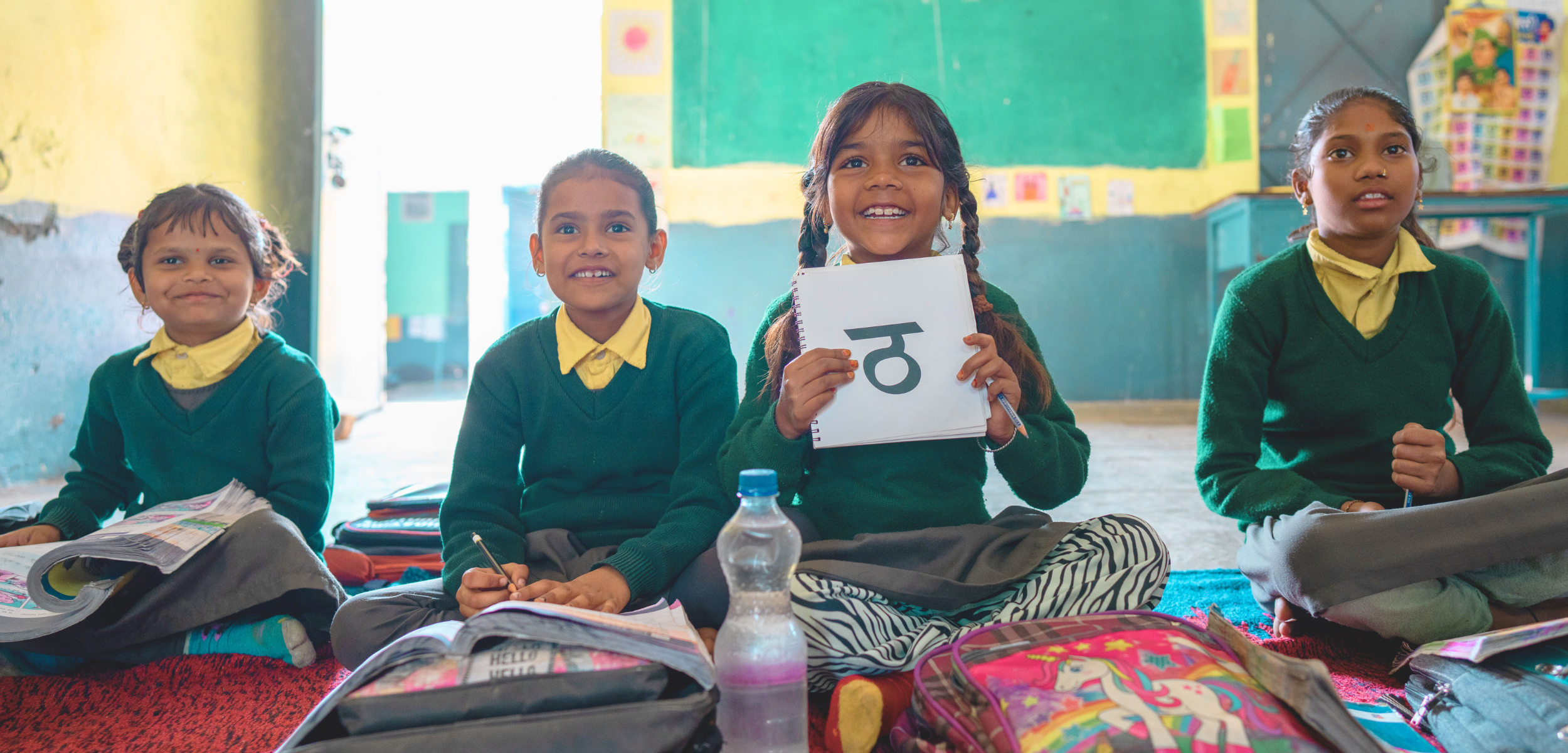
Kriti’s story is not limited to one village, one district or one country. Wherever poverty, limited early childhood provision and deeply rooted gender norms intersect, similar stories unfold subtly and routinely inside classrooms — rarely visible in data, attendance registers or monitoring dashboards, yet powerfully shaping how children experience school.
Check out our related article: Barriers to Education in Developing Countries
And when these invisible responsibilities fall most often on girls, equity becomes more than a question of access.
Who is holding the system together each day? And why are so many of them children — and so many of them girls?
You might also be interested in...
A journey from loss to literacy: Hafiz’s story and the rise of reading corners in Lebanon
Nivrita Durgvanshi, Associate Director, Literacy Portfolio
Addressing linguistic complexity in Indian classrooms
Stuti Jain, Manager of Instructional Design and Structural Support

Climate change and gender equality: Why girls’ education is key to climate resilience
Reema Shrestha, Director, Room to Read's Gender Equality Portfolio, South Asia