
Stories that shape us: A conversation with Room to Read Author Advocate Emma Pei Yin
July 13, 2026
Stories have the power to transport us across generations, cultures and experiences. And at Room to Read, we’ve seen time and time again that when a child opens the pages of a book, they begin a journey to not only connecting with others but better understanding themselves and their unlocking their full potential.
For Room to Read Author Advocate Emma Pei Yin, storytelling is both an art and an act of preservation. Emma’s writing explores themes of identity, resilience and belonging — specifically through the experiences of women whose voices have too often been left out of history.
This month marks the U.S. paperback release of Emma’s debut and award-winning novel, "When Sleeping Women Wake," a sweeping historical story that follows generations of women navigating the Japanese occupation of Hong Kong during World War II.
Emma recently took the time to talk with us about her novel, the power of storytelling, and the transformation that life skills can bring for girls as they find their voices and sense of self.
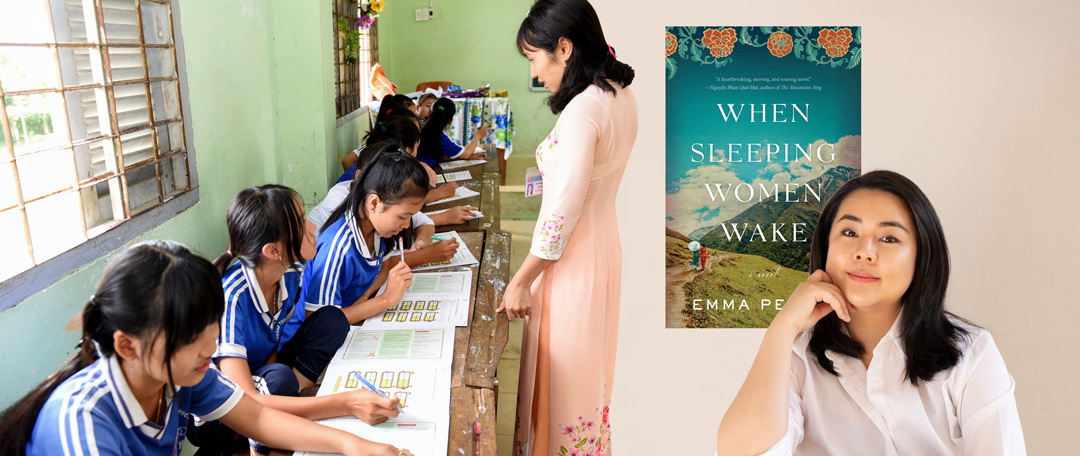
Congratulations on the publication of "When Sleeping Women Wake" — we’re excited to see the novel continue to reach new audiences as it releases in the U.S. in paperback this month. For those who may be unfamiliar, what is this novel about? What was it like to go through the process of writing and publishing your first novel?
"When Sleeping Women Wake" is set during the Japanese occupation of Hong Kong and follows three women from very different positions in society as war forces them to confront who they are, what they believe, and what they are willing to risk. Writing and publishing my first novel was both exhilarating and humbling. There were years of research, rejection and rewriting behind the finished book. Seeing it reach readers has been deeply emotional, particularly when people tell me it helped them understand a part of history they had never encountered before.
Your novel explores themes of identity, resilience and transformation. What first inspired you to tell this story?
The novel began with my own family history and with the silences I grew up around. I wanted to understand what ordinary women in Hong Kong might have experienced during the occupation, particularly women whose stories were rarely recorded. I was also interested in the moment when survival becomes resistance. Each woman in the novel begins with a very fixed idea of who she is, but war strips those identities away and asks her to become someone new.
At Room to Read, we’ve very clearly observed that stories can shape how readers see themselves and the world around them. Books hold so much power in helping readers find confidence who they are, and in who they can become. What do you hope readers — especially young women — take away from "When Sleeping Women Wake"?
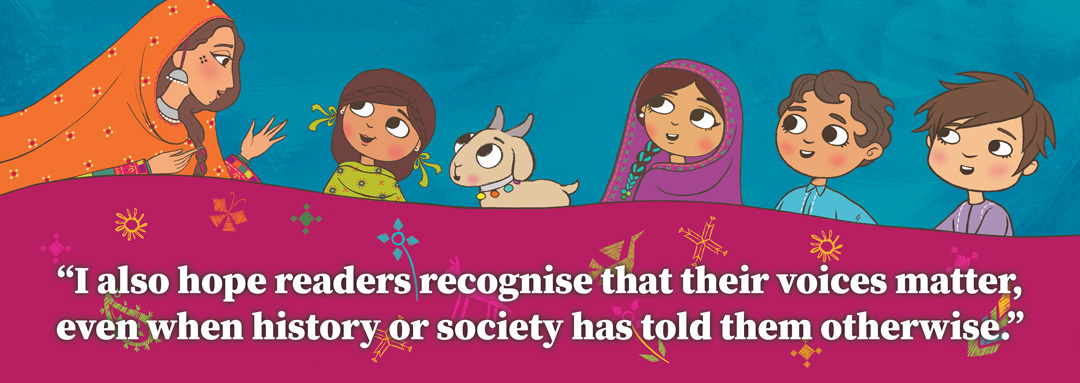
I hope young women come away knowing that courage does not always look dramatic. Sometimes it is speaking when you have been taught to remain silent. Sometimes it is leaving, protecting another person or simply choosing a different life from the one prescribed for you. I also hope readers recognise that their voices matter, even when history or society has told them otherwise.
How have books or education shaped your own sense of identity and possibility? Are there stories that especially influenced you growing up?
Books gave me access to worlds beyond the ones immediately available to me. They allowed me to imagine different futures and helped me understand experiences I did not yet have the language for. Growing up, I was drawn to writers such as Amy Tan, whose work made me feel that Chinese families, complicated mothers and daughters, migration and inherited silence could belong at the centre of literature.
Your work highlights the importance of women’s voices and lived experiences. Why do you think representation in literature matters so deeply?
Representation matters because stories shape our sense of who is significant. When people repeatedly see themselves missing from books, or only appearing at the margins, it can quietly suggest that their lives are less worthy of attention. Literature cannot solve inequality on its own, but it can challenge whose experiences are considered universal, valuable and worth remembering.
Room to Read’s gender equality program works to support girls as they develop five critical life skills that enable them to overcome challenges in their lives: resilience, leadership, collaboration, critical thinking and decision making. Were there particular moments in your book where you wanted to explore those kinds of inner strengths? The women in your novel navigate complex challenges while holding onto their sense of self. What does resilience mean to you, and how do you hope that theme resonates with readers?
Those qualities are woven throughout the novel. The women are constantly forced to assess danger, make impossible choices, work together and find ways to protect themselves and others. To me, resilience is not simply enduring suffering. It is retaining some sense of agency and humanity within it. It can mean adapting, asking for help, changing direction or refusing to become what hardship expects you to become.
What advice would you give to children who dream of becoming writers, storytellers, or advocates for change?
Read widely, stay curious and pay attention to the stories people overlook. You do not need to know everything before you begin. Your voice develops through using it. I would also say that writing and advocacy both require persistence. Change often begins with someone deciding that a story, an injustice or a person deserves to be noticed.
Finally, what inspired you to partner with Room to Read and advocate for literacy and gender equality in education?
Literacy has shaped every part of my life. It gave me independence, imagination and the ability to tell stories that might otherwise have remained hidden. Room to Read’s work recognises that education is not only about academic achievement. It gives girls the confidence, skills and choices to shape their own futures. That mission feels closely connected to everything I hoped to explore in "When Sleeping Women Wake."

You might also be interested in...

History of International Women’s Day: Lessons in resilience
Lucina Di Meco, Vice President, Room to Read's Gender Equality Portfolio

