
Developing lifelong reading habits in Pakistan: The power of Room to Read libraries
August 24, 2026
Learning to read is only the beginning. For children to thrive in school and beyond, they also need to want to read, again and again, for their own enjoyment. That is the power of a habit of reading: it turns literacy from a practiced skill into a lifelog source of joy.
At Room to Read, we believe strong education systems must do more than ensure children can understand the words on a page. They must also cultivate learning environments that encourage children to choose books, enjoy reading and build the confidence to read continuously throughout their lives. Through our literacy programming in Pakistan, implemented in partnership with Idara-e-Taleem-o-Aagahi (ITA), we are working to foster a habit of reading among students in Punjab, and better understand how it will support their continued learning in real time.
Reading habits: Why they matter
A child may learn to read in school, but becoming a reader requires something deeper: regular access to engaging books, time to read, supportive adults and positive reading experiences. When these pieces come together, reading can become a habit, a chosen activity to turn to anywhere, anytime. Every time a person chooses to pick up a book, they can strengthen their knowledge, enrich their vocabulary, enhance their confidence and pique their curiosity in ways that will make them lifelong learners and engaged community members.
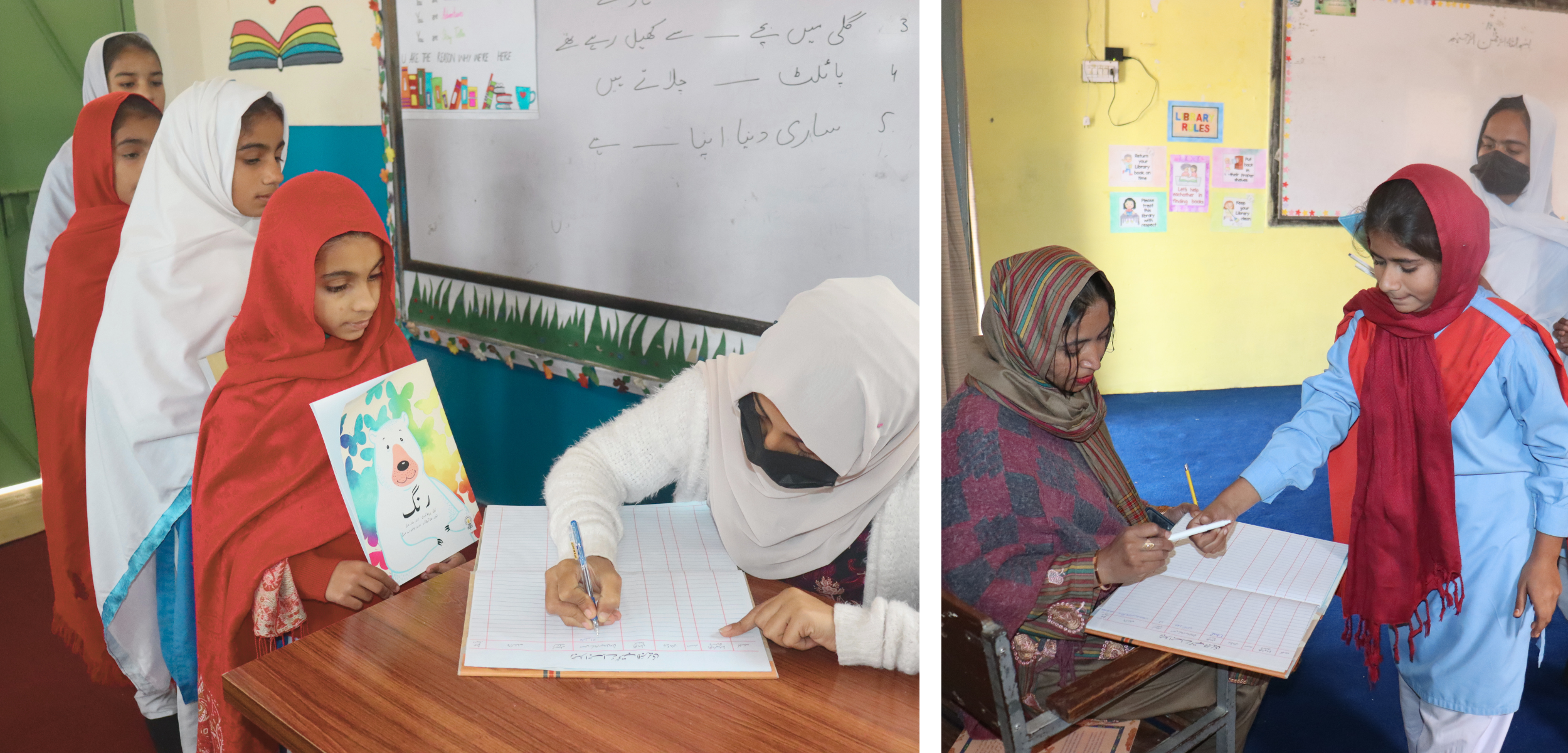
How our Literacy Program improves foundational learning and reading outcomes
In Pakistan, the majority of children have historically not had what they need to build positive, lifelong reading habits. An estimated more than 25 million children are out of school in Pakistan, and many more are in classrooms without the books, support and regular practice they need to become skilled readers. As a result, Pakistan reflects one of the worst primary school literacy rates in South Asia, with approximately 80 percent of children not proficient in reading by the end of primary school.
Room to Read’s work in Pakistan aims to radically improve children’s reading outcomes. By demonstrating our proven child-friendly library model and working with local book creators to cultivate storybook collections children will enjoy, we are strengthening early learning approaches in Pakistan that encourage children to choose books in their daily lives. In doing so, our work in Pakistan supports not only the development of literacy skills, but the habits and motivation that help children become lifelong readers.
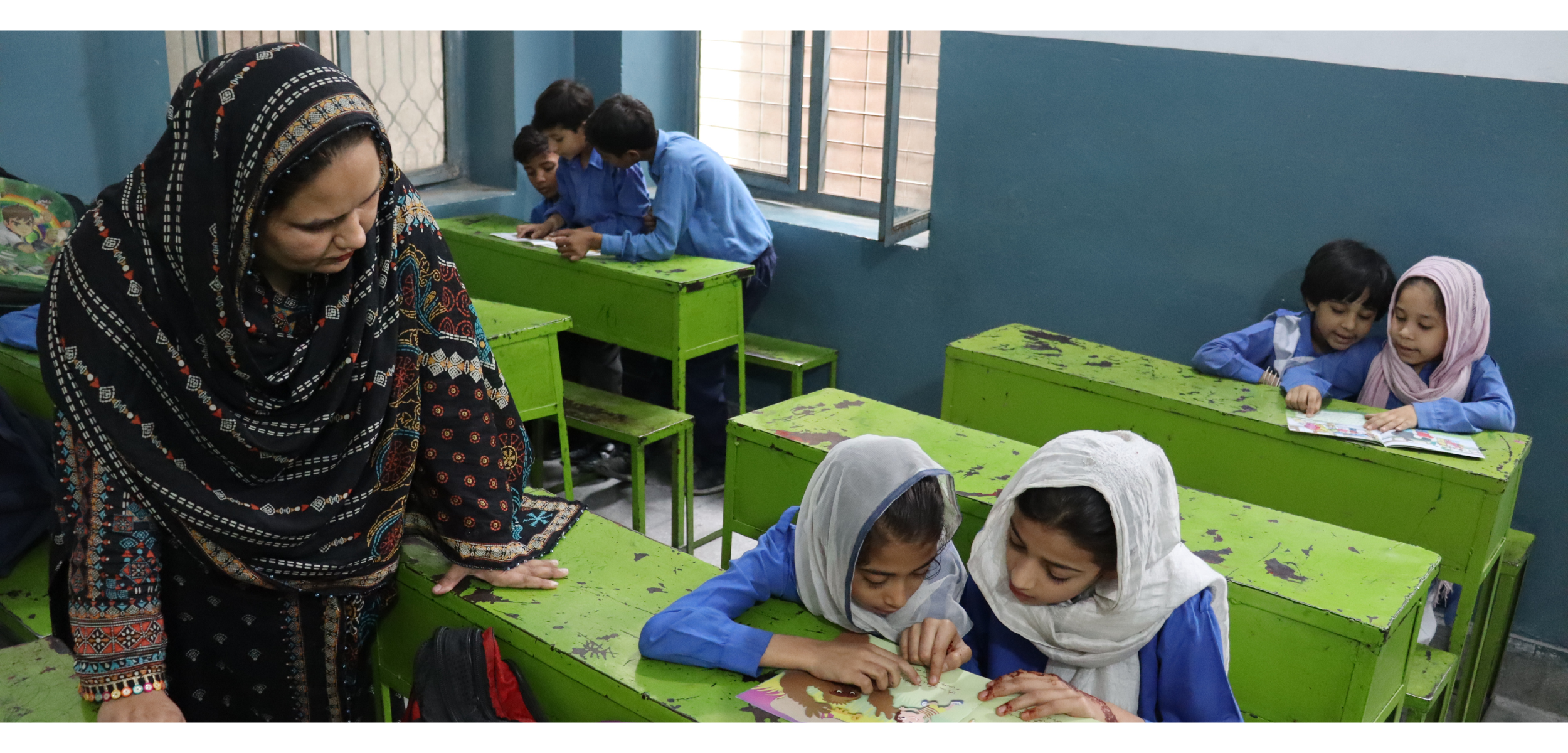
How we studied children’s reading habits and library success in Pakistan
In partnership with ITA, Room to Read recently completed an evaluation of our library-centered literacy programming in Pakistan, launched in 2020 and implemented across Lahore and Bahawalpur. The study looked to assess children’s access to books and their reading behaviors following the establishment of Room to Read libraries and the implementation of library programming in their communities. The study was focused on a total of 40 schools, including 20 program schools and 20 comparison (non-program) schools, assessing reading behaviors among 1,179 students in Grades 3 and 5, along with classroom and library practices among teachers and school leaders.
When looking at children’s reading behaviors, we focused on whether children 1) borrowed books, 2) selected them independently, 3) read for enjoyment and 4) showed joy and engagement in school-based reading experiences. We also looked at whether schools were sustaining library management practices shared by Room to Read and ITA after direct project support has been completed.

Findings: Children become independent readers and develop a joy of reading
The results from this comparative evaluation are clear. When children have meaningful access to books and structured opportunities to read, reading habits are independently and continuously built.
When children have access to books, they choose to read. In program schools, 94 percent of children borrowed books to read at home, compared with just 6 percent in comparison schools. Eighty percent selected books independently, compared with 20 percent in comparison schools.
Continuous and consistent exposure to books increases positive habits over time. The evaluation also showed that impact strengthens over time. Students who had benefited from the program the longest, notably children in Grade 5, demonstrated stronger reading habit scores than students with shorter exposure. This reinforces an important lesson for literacy systems everywhere: Reading habits are built through repeated, sustained experiences, not limited, short-term activities.
Children in program schools show stronger reading behaviors. Among children from program schools, 72 percent reported they had read a book for fun in the previous five days, compared with 28 percent of their peers. Not only did program students elect to read more, they also showed stronger recall and engagement with what they read.
Libraries, and the reading behaviors they cultivate, can take root within communities. More than a year after Room to Read withdrew direct project support, libraries remained operational in a majority of program schools. Further, scheduled library periods and core library operations, such as book tracking systems and structured reading activities, remained part of the weekly schedule across more than 85 percent of program schools. This suggests that with the right design and local engagement, we can do more than create library spaces ― we can embed practices that promote reading within public education systems for the long-term.
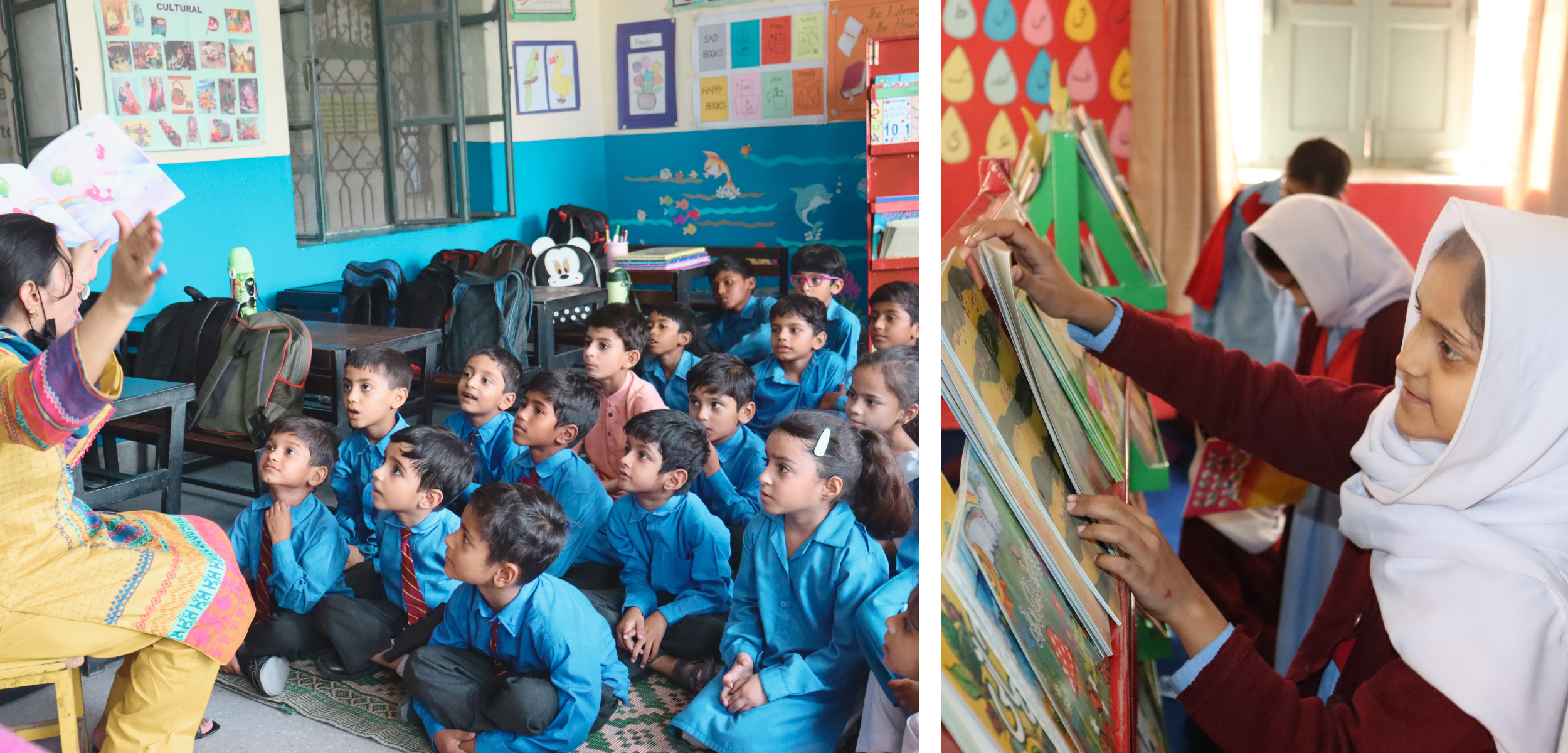
Using evidence to nurture positive reading habits
This latest evaluation from Pakistan offers an important reminder that literacy success is not only about whether children can read, but whether they have the opportunity and motivation to keep reading. Access to high-quality books, child-friendly library spaces, teacher support and sustained exposure are all essential. Together, they help transform reading from a skill into a habit.
For Room to Read, these findings further amplify the importance of our evidence-based approaches that support both literacy development and a love of reading. In Pakistan and around the globe, we will continue applying our learnings across our core competencies to help more children build the habits that can expand their futures. Every time that a child can and does choose to read, with the turn of every page they are building their own skills, interest and an enduring habit to be a lifelong learner.

You might also be interested in...

She Creates Change engages more than 10,000 girls across Pakistan
Vartika Gupta, Manager, Room to Read Program Operations

Why are libraries important to a community: A Room to Read expert explains
Quynh Le, Global Literacy Manager

The power of children’s libraries: supporting literacy and building community
Christabel Pinto, Vice President, Room to Read's Literacy Portfolio


“Students want to come to school and want to read”
Siriphone Siriphongphanh, Senior Officer, Communications & Development, Room to Read in Laos
