
Life skills curriculum: How Room to Read’s approach is inspiring new ways of thinking and fueling new possibilities in Laos
June 12, 2026
By Siriphone Siriphongphanh, Senior Communications Officer, Room to Read in Laos, and
Phetlavanh Sinpaseuth, Manager, Gender Quality Portfolio, Room to Read in Laos
After school, Nousa, a Grade 8 student in Laos, sat with his mother and shared what he had learned from his life skills lessons that day: how to make smart decisions, support his own emotional well-being and plan his finances. Together, they discussed how these ideas could help grow her small online business. And they discussed the unique challenges she faces as a woman running that business while caring for the family. Nousa, having discussed cultural gender norms in Room to Read life skills classes, underscored that household responsibilities should be shared fairly, regardless of gender. His mother agreed.
For students like Nousa, life skills curriculum is inspiring new ways of thinking and fueling new possibilities — for themselves and the people around them. “This is only the beginning,” Nousa said. “These life skills will help me and my family expand our horizons.”
Room to Read's life skills curriculum in action
In one lively life skills classroom, a group of students bursts into laughter.
They are performing a role play after learning about both “traditional” and “modern” gender roles in Laos. One student, acting as a “modern mother,” happily gives a huge pile of money to her daughters to support their school needs. The scene is funny, but behind the laughter is an important message.
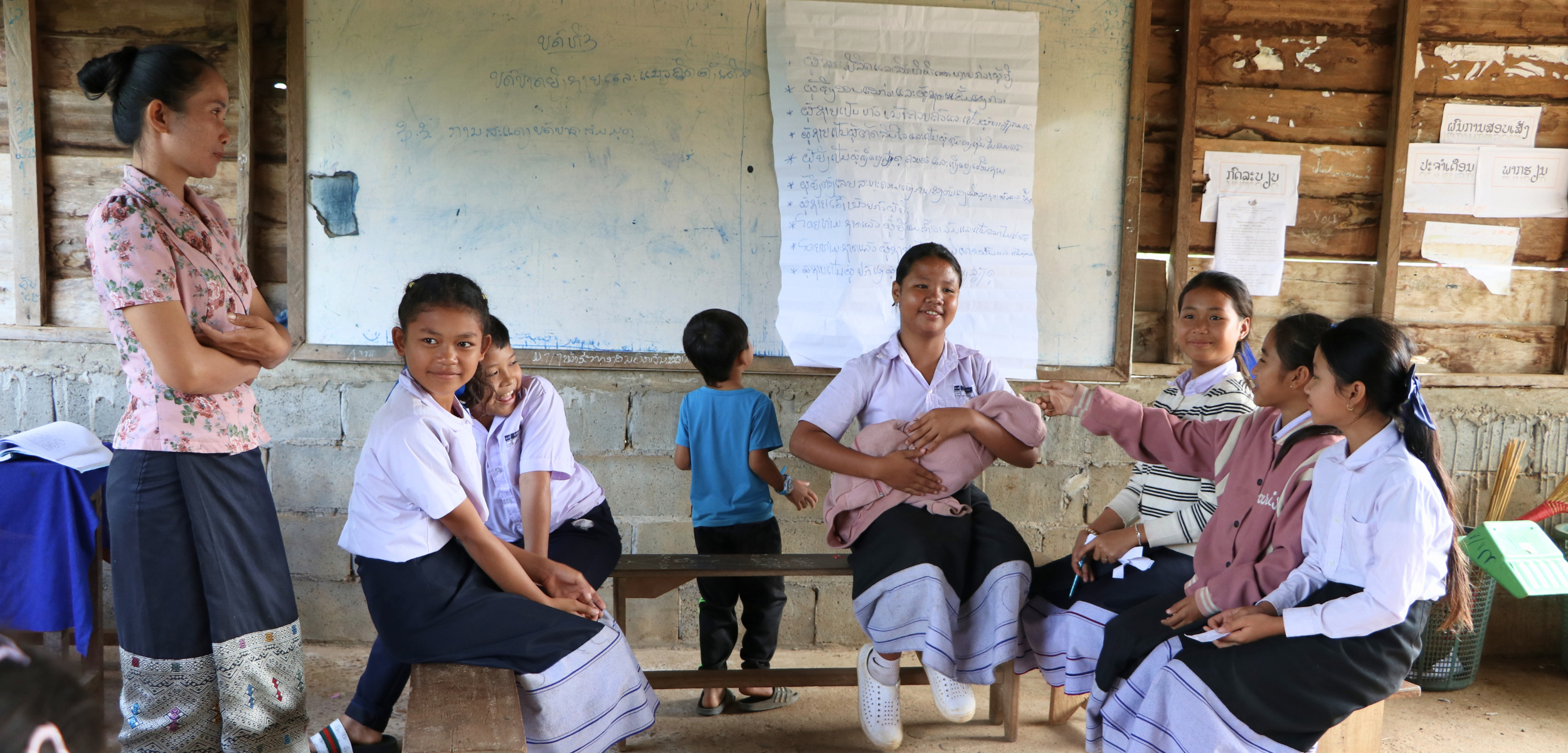
Girls have the same right to education, opportunities and dreams as boys.
At the front of another class, four students, both girls and boys, act out a scenario, guided by their teacher. They take on different roles: a merchant, a “savings box,” a student named Noy and a note-taker who records financial transactions.
Noy receives 5,000 kips from her parents, which the note-taker records. Noy then thinks through how to use her funds. First, she spends 2,000 kip on school snacks, giving it to the merchant. Thinking aloud about the importance of saving for her future — for secondary school needs, for her plans after graduation — she then decides to put 2,000 kips into the play savings box. With 1,000 kip remaining, she brings in her classmates, and the group works together to determine what Noy should do with her remaining funds.
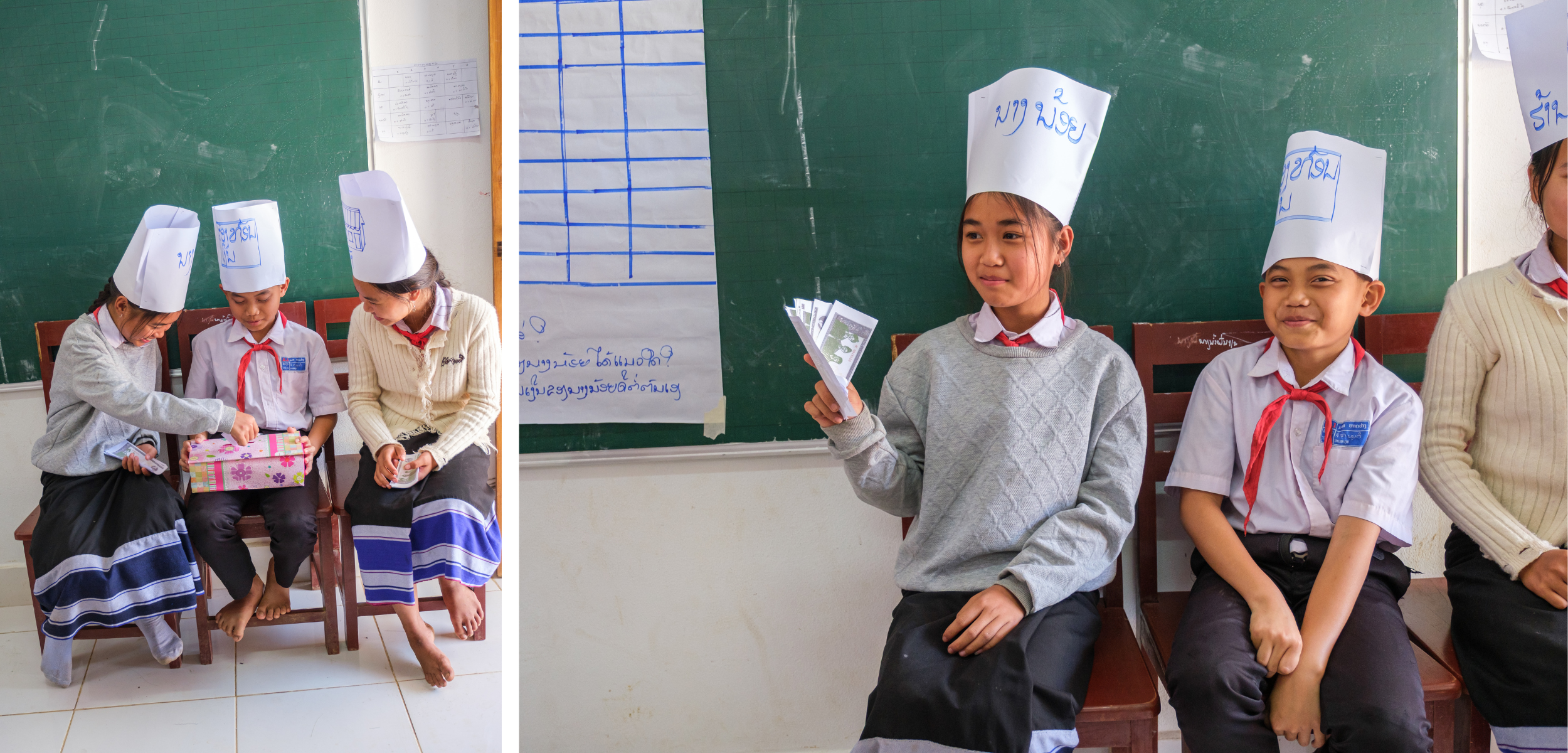
This is what life skills lessons look like: interactive, engaging, energetic and student-centered. Adolescents, both girls and boys, do more than listen; they participate, discuss, reflect and learn from one another through role-plays, group discussions and games.
And slowly, perspectives begin to shift.
What makes Room to read's life skills curriculum effective
These engaging activities are not happening by chance. Room to Read's life skills curriculum is grounded in a participatory and gender-responsive approach, which places students at the center of the learning process and ensures that all, regardless of gender or background, can participate, contribute and learn.
Going further, our gender-responsive approach recognizes and addresses the barriers, biases and unequal expectations that girls and boys may face. Room to Read’s life skills curriculum encourages students to examine gender norms and stereotypes critically, promoting equal engagement, and respectful listening and relationship building, in all classroom activities.
Room to Read’s life skills curriculum is also helping educators improve their instruction.
As teacher Baimone explained: “I use ideas from life skills lessons in my regular classes, too. For example, leading games to make learning more fun and encouraging students to share their experiences and perspectives.
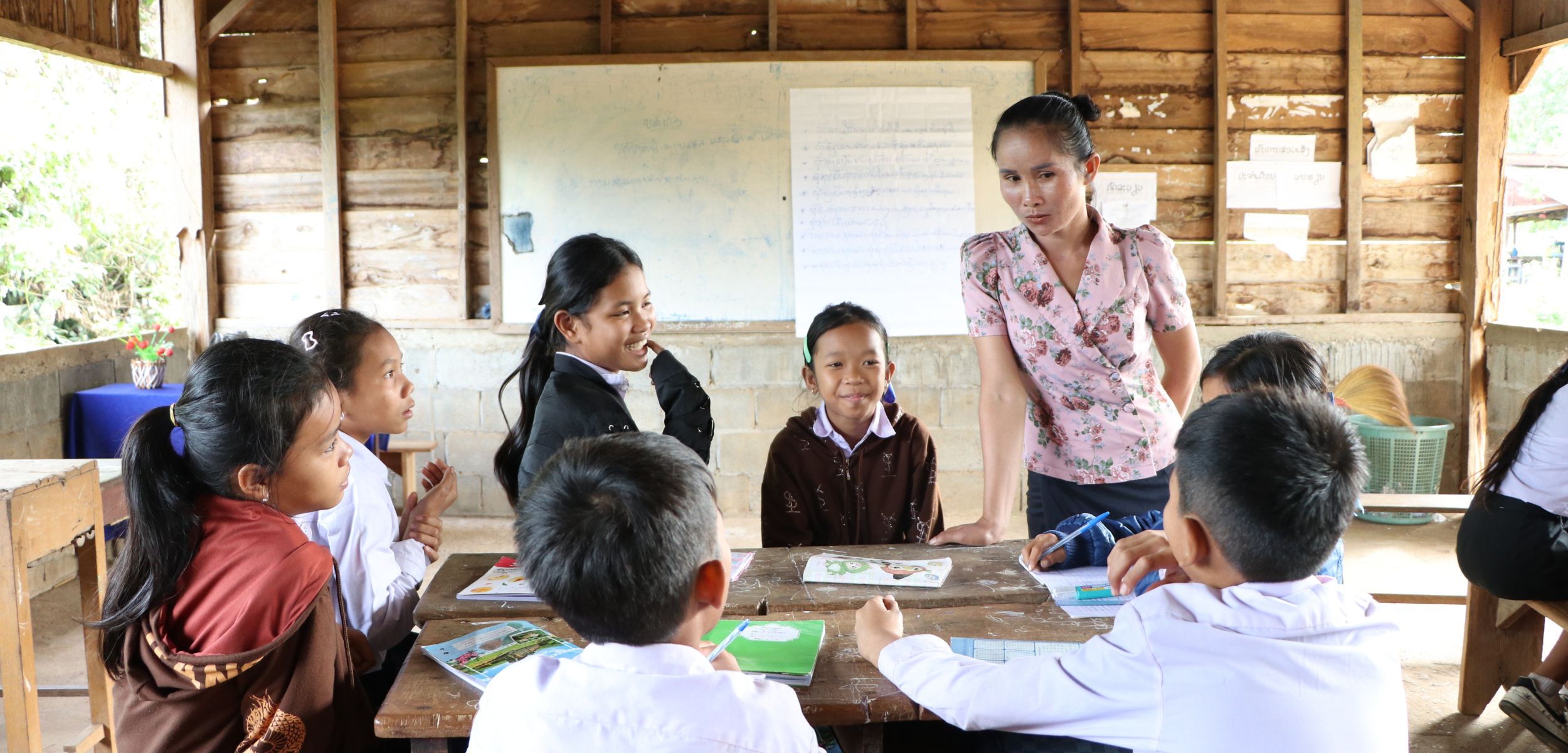
I also use respectful and gender-responsive language across all my classes now, helping to create an inclusive and supportive learning environment where both girls and boys feel confident participating.”
Through these approaches, Room to Read helps create safe, supportive classrooms where girls and boys can build confidence, practice critical thinking skills, use empathy and reinforce their own agency.
How Room to Read’s life skills curriculum is making a difference
Students say they now look forward to coming to school.
“We get to do activities in every lesson. They are so much fun,” Keooudon, a Grade 8 student, shared. “It makes me want to come to school even more.”
But the real change goes deeper.
“I used to think soccer and rattan ball were only for boys,” Anita, a Grade 8 student, said. “Now I know everyone can do whatever they enjoy, no matter their gender.”
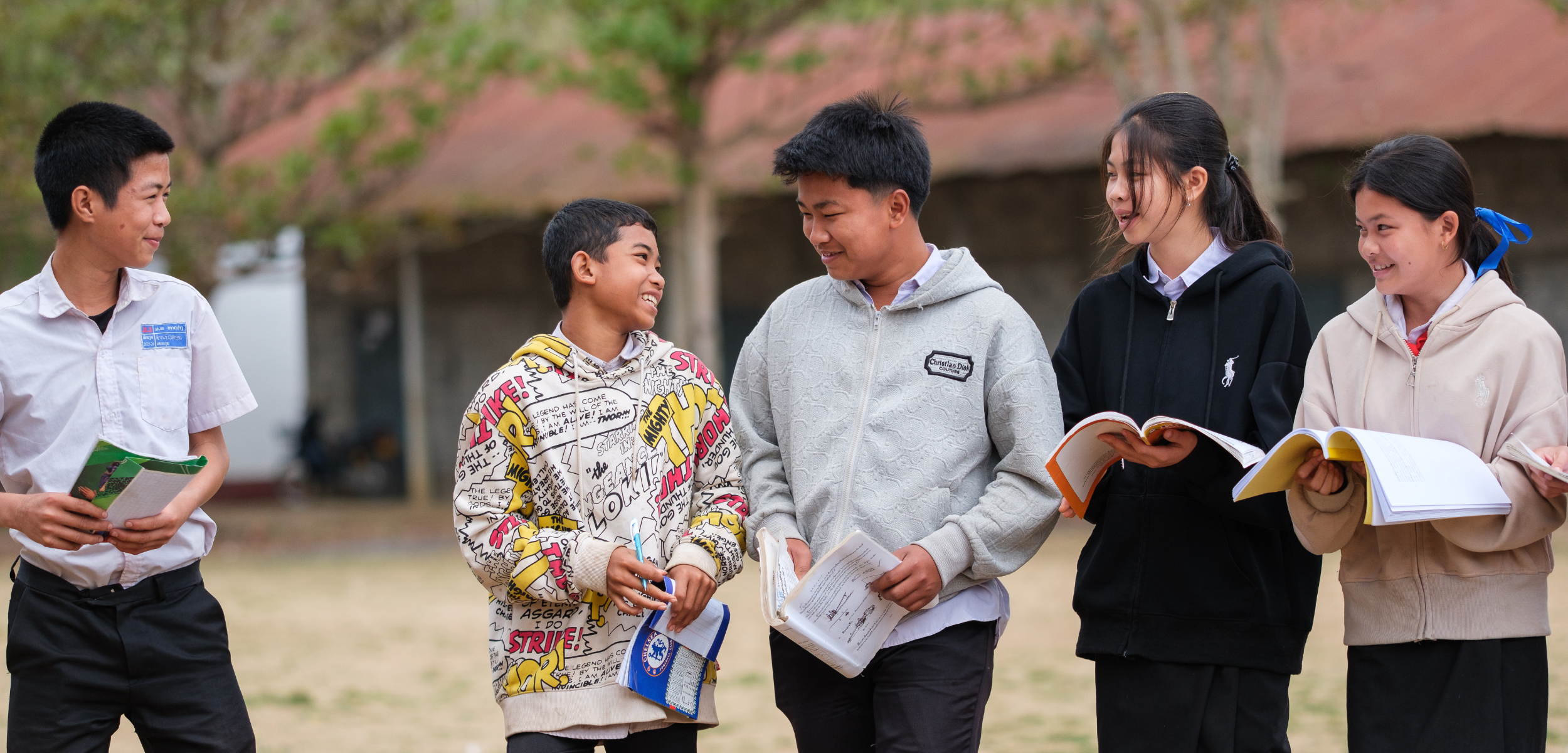
Boys are learning, too. Many are becoming more respectful and compassionate classmates, supportive friends and active participants in creating inclusive environments where everyone feels valued.
This progress is supported by helping students better understand themselves and others during a critical stage of development. Through lessons on adolescent development, students learn that physical, emotional, cognitive and social changes are a normal part of growing up. This increased understanding helps build empathy and reduces judgment toward peers who may be experiencing these changes differently.
For educators, understanding the significant physical, intellectual, emotional and social changes during adolescence is similarly essential, enhancing their understanding of adolescent behavior. With this knowledge, educators can develop the skills needed to support students in navigating the unique social, emotional and physical challenges of this developmental time — and the cultural expectations that accompany it.
Teachers are noticing the difference as well. Before, students were shy to talk about personal changes or challenges. Some experienced bullying related to appearance or growing up. Through lessons that explore adolescent development, emotions, identity and the impact of gender norms and stereotypes, conversations are more open, and students support each other with greater empathy and understanding.
“They come to me with questions. They trust me more,” shared teacher Kedsana. “I understand my students better through a life skills lesson called ‘My Emotions,’ including how they think and feel. I can better understand why students may be upset or in a bad mood, and why they feel happy by listening to them.”
In schools where life skills are taught, the change is clear: students are better seen, heard, respected and empowered.
Scaling life skills curriculum and content for gender equality in Laos
Currently, Room to Read’s life skills curriculum and content is being implemented in lower secondary schools in Luang Prabang and Champasack provinces, meaning many students across Laos still do not yet have access to these important lessons. However, the program is laying the groundwork for long-term change.
Room to Read is working with the Ministry of Education and Sports to prepare for the future expansion of life skills curriculum and content across the country. This includes strengthening teaching approaches, developing learning materials and supporting teachers with practical strategies, training and materials that create more inclusive, participatory and gender-responsive classrooms. Educators and trainers hope Room to Read’s life skills curriculum and content will eventually become part of the national curriculum for secondary schools and teacher education.
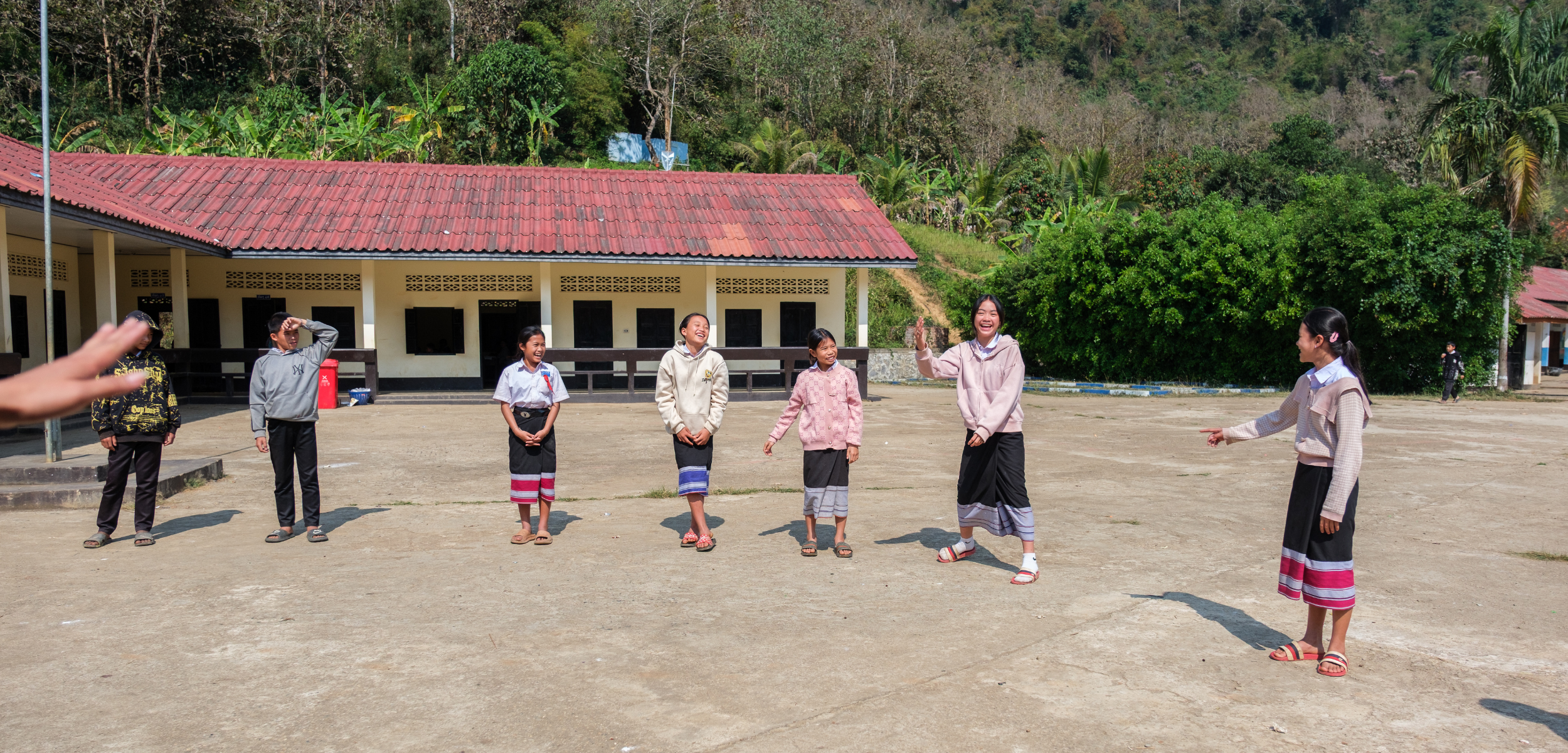
“In the near future, I hope to see Room to Read’s life skills curriculum and content integrated into the national curriculum, so that every student is better equipped to navigate a rapidly changing world,” shared Phonexay, a life skills curriculum trainer.
For Nousa, the impact is already clear.
What he learns in the classroom does not stay there — it reaches his home, supports his family and shapes how he treats others.
And his story is just one of many.
Scaling our life skills curriculum means investing in something powerful: a generation of girls and boys who are confident, compassionate and ready to lead side by side with mutual respect and equal opportunity.
Learn more about our unique approach

You might also be interested in...


Room to Read's nonfiction children's book collection in Laos
Mahesh Pathirathna, Global Literacy Advisor, Room to Read’s Literacy Portfolio

Life skills classes: Making room for empathy and understanding
Reema Shrestha, Director of Room to Read's Gender Equality Portfolio, South Asia

Life skills education and a life transformed
Dany So, Communications Officer, Room to Read in Cambodia

Measuring life skills among boys in India and Nepal
Dhiraj Anand, Associate Director, Research, Monitoring and Evaluation, Gender Equality Portfolio
