
Life skills classes: Making room for empathy and understanding
March 09, 2026
Reema Shrestha
Director
Room to Read's Gender Equality Portfolio
South Asia
Last Month, during a secondary school visit in Tanahun, in central Nepal, I experienced one of those moments that quietly remind you why this work matters.
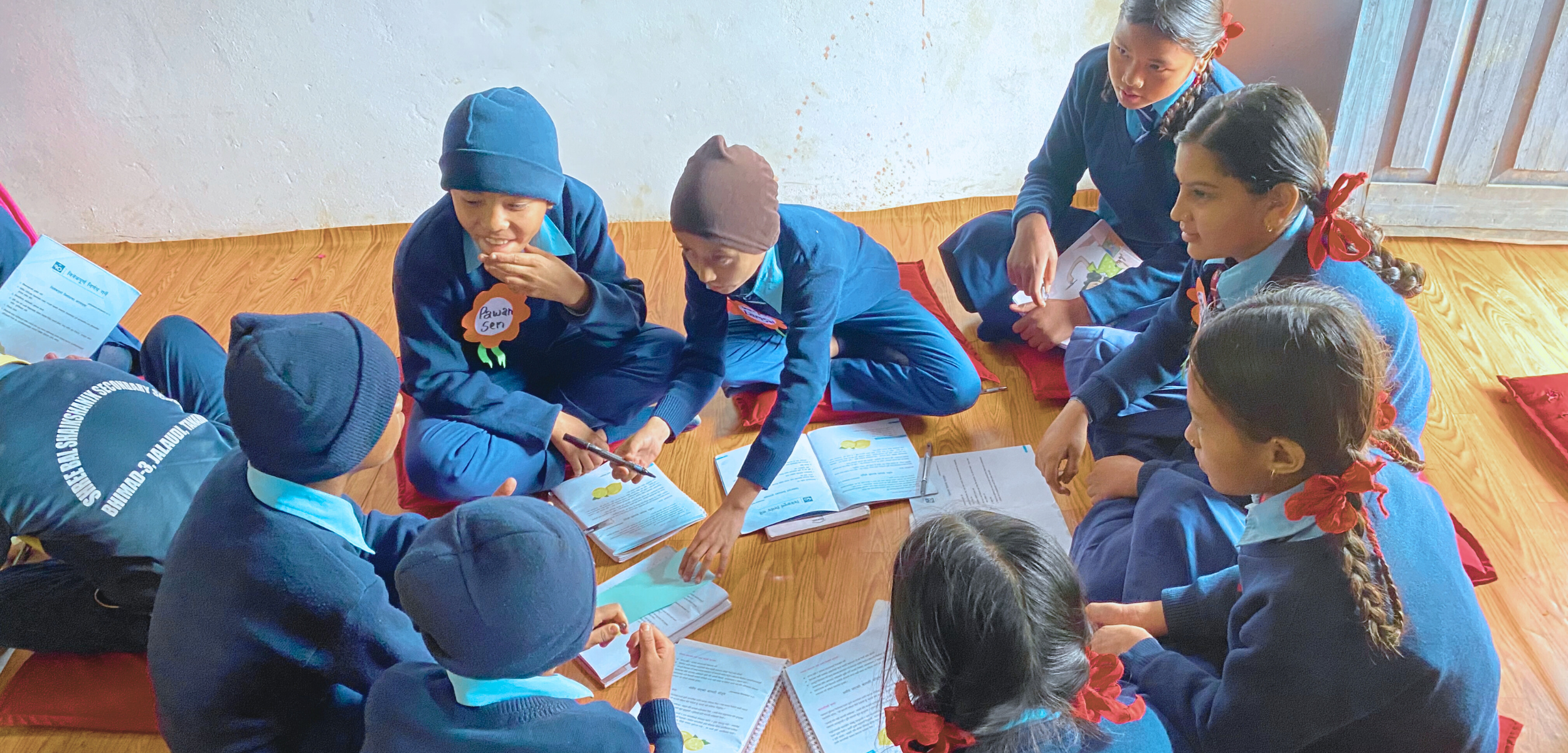
During my visit, I observed Room to Read life skills classes at two schools where teachers facilitated discussions on goal-setting and financial literacy, with a detailed conversation on responsible spending. What impressed me most was the teachers’ dedication. Many of them shared that they use their free periods to prepare for these sessions because they see how meaningful the curriculum and content are for students.
Students told me that life skills classes rank extremely high among the classes they look forward to most. They spoke enthusiastically about sessions like “Our Planet,” which asks students to consider the gendered impacts of climate change, and “Menstrual Health and Hygiene,” which ensures adolescents have critical information about their bodies and opportunities to understand the complex social, cultural and gender norms surrounding a girl’s monthly period. Many students said these sessions help them understand real-life issues that are rarely discussed in traditional school settings, and they leave feeling equipped with the tools to continue the conversations outside the classroom.
One boy raised his hand and said something that stayed with me.
He liked the session on menstruation, he said, sharing that he and his friends used to tease girls in class when they talked about periods. After hearing his classmates share their menstruation experiences, he realized the depth of discomfort girls experience each month and the number of challenges they must navigate once their periods arrive.
Now, he said, when a girl in his class is struggling during her cycle, he brings hot water and retrieves sanitary pads from the school administration. He added that he now offers greater support to his mother and sister when he knows they are on their cycles.
That moment captured the real power of life skills education. We know that life skills education nurtures confidence, reinforces self-worth, and builds practical skills that adolescents need to thrive — collaboration, critical thinking, decision making, leadership and resilience. What was clear in this moment is that it also makes room for empathy, perspective-taking and understanding, creating pathways to change. 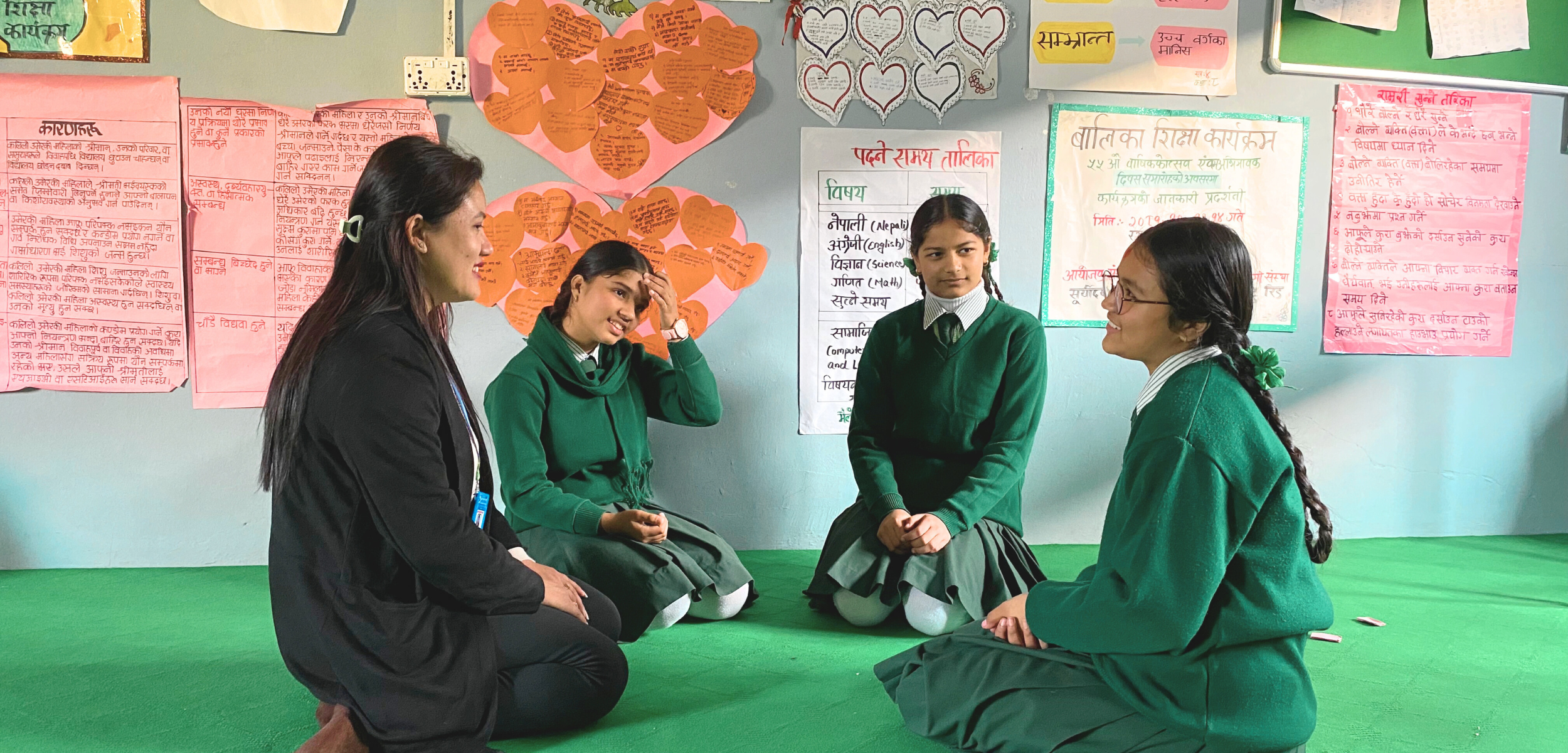
The school principal later shared his plan to sustain and expand the life skills program. He has already asked additional teachers to observe the sessions, helping to prepare them in advance of Room to Read’s official training. His goal is to build a pool of highly trained educators and eventually provide life skills sessions to all students.
Thoughtful conversations between peers. Adolescents adopting different perspectives. Teachers investing in their students’ growth. These are the moments that show how Room to Read’s approach is building foundational learning and life skills, shaping gender knowledge, beliefs and attitudes, and accelerating positive change — one student, one community at a time.
I left Tanahun feeling deeply inspired by the commitment of teachers and the openness of students to learn, reflect and grow. Real change often begins in simple classroom conversations, and this visit was a reminder of just that.
Discover Room to Read's Gender Equality Portfolio
You might also be interested in...
Life skills for today
Abigail Spangler, Associate Director, Room to Read's Girls’ Education Portfolio

Climate change and gender equality: Why girls’ education is key to climate resilience
Reema Shrestha, Director, Room to Read's Gender Equality Portfolio, South Asia
