
Conflict resolution skill building supports adolescents in Lebanon navigate challenges with confidence
November 19, 2026
By Dina Elabd
Project Manager
Room to Read in the Middle East
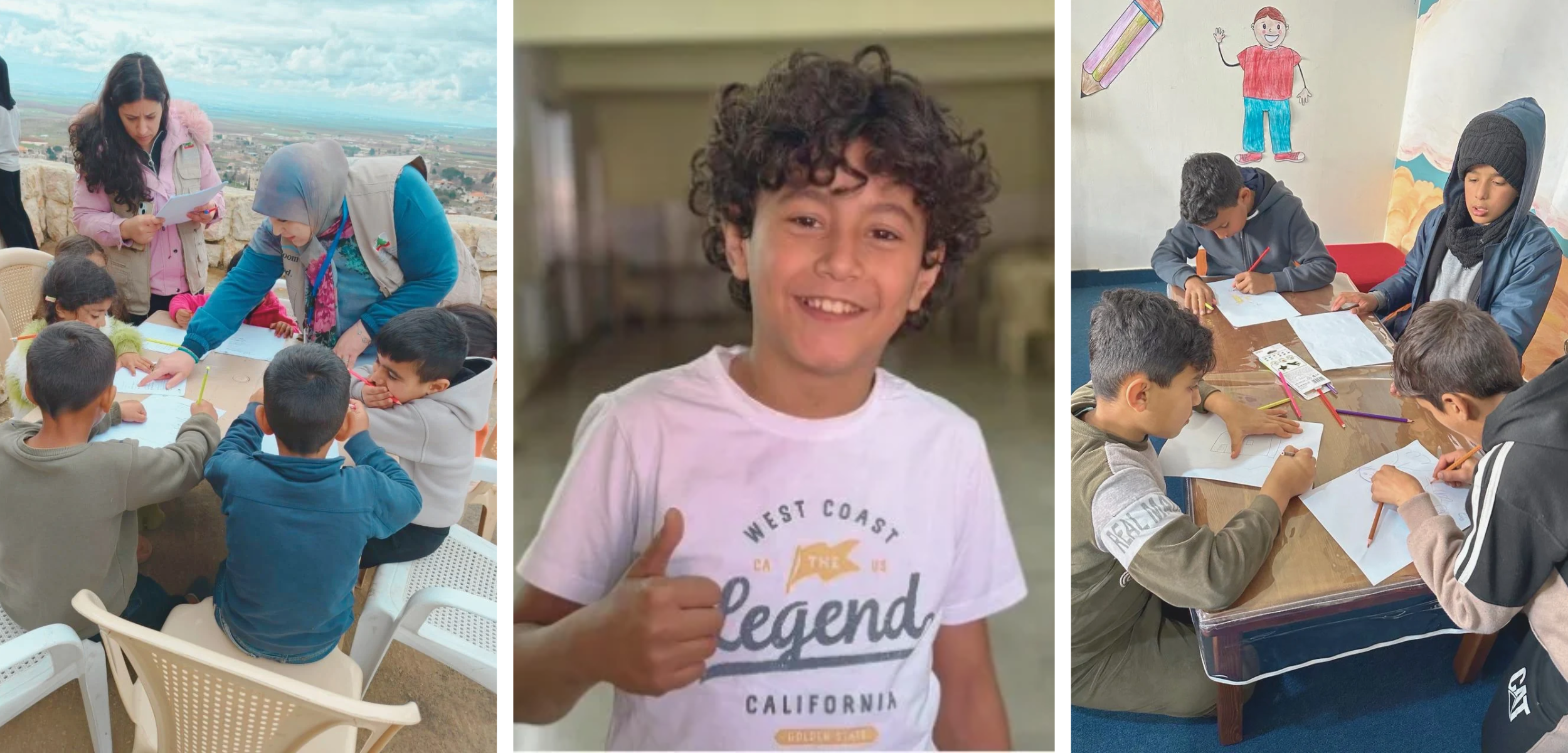
At 11, Youssef is discovering the power of listening, communicating and expressing himself with confidence. A sixth-grade student in Lebanon, Youssef has seen how practical life skills can change the way he approaches challenges and builds relationships.
In Lebanon, Room to Read and our local partner, the Lebanese Organization for Studies and Training (LOST), are equipping children ages 10–14 with essential skills through a locally contextualized Conflict Resolution Curriculum. Designed for adolescent girls and boys, including those in emergency shelters, the programming uses interactive activities, stories and real-life examples to help young people develop self-awareness, manage emotions, communicate assertively, make thoughtful decisions and resolve conflicts peacefully. Across 14 learning areas, the curriculum also emphasizes empathy, critical thinking, cooperation and responsible citizenship, creating opportunities for children to practice these skills in a supportive environment.
For Youssef, participating in the sessions has been a turning point.
Learning to express himself
Growing up, Youssef was often surrounded by people older than him. He struggled to express his opinions and talk about what was on his mind. When he felt no one was listening, he became upset and believed he needed to be tough and aggressive to earn people's attention and respect.
He often reacted angrily toward those around him. Although he thought being strong was the best way to prove himself, it only created more problems and left him feeling worse.
When Youssef first joined Room to Read's life skills sessions, he wasn't convinced they would make a difference. But as he began applying what he learned, he noticed positive changes.
One session, in particular, stood out: Problem Solving.
"Before, whenever I faced a problem, I would become stressed very quickly and sometimes create even more problems instead of solving the original one. Now, I try to think calmly and ask myself, 'What can I do to solve this problem?' I learned that every problem has a solution if we think about it carefully."
He also began noticing a change in how older people treated him.
"What made me happiest is that even people older than me have started listening to my opinions and speaking to me differently because they noticed that I now handle situations calmly and think before I speak."
Putting conflict resolution life skills into practice
Youssef's new skills have extended beyond his friendships. As a member of an equestrian sports team, he found opportunities to put his communication skills into practice.
Previously, tension and shouting sometimes arose among team members. By learning to manage his emotions and communicate respectfully, Youssef became a more effective teammate.
"This helped me cooperate more effectively with my teammates and work better as part of a team. Even our training sessions have become calmer and more enjoyable for everyone."
He also enjoys sharing what he learns at home with his six-year-old younger sister. He explains the lessons in simple terms and feels happy when he sees her applying them in her own life.
Youssef credits his life skills educator, who also served as a mentor, with making the sessions especially meaningful.
"What I appreciated most was that our facilitator was not just a teacher; she was very close to us. She listened to us, talked with us, and treated us like friends. She made us feel comfortable expressing ourselves and helped us build confidence."
That supportive environment made Youssef look forward to each session and encouraged him to participate. He hopes other students across Lebanon will have the same opportunity.
"From the bottom of my heart, I hope that all students in Lebanon will have the opportunity to attend these sessions because they have personally changed my life. At first, we may not realize how important they are, but over time we discover how much they help us become better people and interact with others in a more positive way."
A mother's perspective: Seeing change at home
Youssef's mother, Fatima, has also witnessed his progress. During an interview, she described the changes she noticed after he began attending the sessions.
"Youssef used to come home almost every day feeling angry and stressed. From the moment he walked through the door, we could tell if he had a difficult day. Sometimes he would get upset very quickly and react strongly to simple situations. His father and I always tried to support him and talk to him, but it was difficult for him to express his feelings or calm down quickly.
"After he joined the sessions, we started noticing small changes. Over time, those changes became significant. Youssef began coming home smiling, greeting us warmly, and calmly telling us about his day. He became more capable of controlling his anger and started thinking before reacting."
One moment, in particular, showed Fatima how Youssef was applying his new skills.
"One of the moments that touched me the most was when I entered his room one day and found him counting from one to 10. I was surprised and asked him what he was doing. He replied, 'I'm counting so I can calm down before dealing with the problem.' At that moment, I realized that Youssef was learning skills that were truly helping him in his daily life."
Fatima also noticed that his younger sister was beginning to follow his example.
"Even his younger sister started copying him sometimes. When she gets upset or stressed, she tries to calm herself down just like he does. This made me feel that the positive change in Youssef had reached the whole family."
For Fatima, seeing her son express himself with confidence and manage his emotions has been especially meaningful.
"As a mother, nothing makes me happier than seeing my son comfortable, confident and able to express his feelings in a healthy way. The change I witnessed in him was not a small one; it was a genuine transformation that we experienced every day at home."
Building skills for a more peaceful future
Youssef's experience shows how life skills extend beyond the sessions themselves. From resolving disagreements with friends to working with teammates and supporting his younger sister, he has found ways to put what he learned into practice every day.
Through our Conflict Resolution Curriculum in Lebanon, Room to Read is helping children develop the tools to navigate both the everyday challenges of adolescence and the extraordinary challenges that arise during conflict and crisis. Skills such as empathy, cooperation, assertive communication and peaceful conflict resolution help young people understand themselves and others, strengthen relationships and contribute to their communities.
For Youssef, the most meaningful lesson was learning that he didn't need to be aggressive to be heard or respected. He could approach problems calmly, express his feelings and communicate with confidence.
And this is precisely why life skills education matters — particularly for children navigating difficult circumstances. By providing safe, supportive spaces where young people can practice these skills, Room to Read and LOST are helping adolescents across Lebanon, including those living in emergency shelters, build the confidence and understanding to navigate challenges and contribute to a more peaceful future.
Learn more about our unique approach

You might also be interested in...

Updates from Lebanon
By Dina Elabd, Project Manager, Room to Read in the Middle East


The latest from Room to Read in Lebanon
Dina Elabd, Room to Read project manager in the Middle East