
Children’s book publishing ecosystem in Indonesia strengthened by trained editors and art directors
July 20, 2026
By Mahesh Pathirathna
Global Literacy Advisor
Room to Read’s Literacy Portfolio
Award-winning children's books do not happen by chance. They are built through strong publishing ecosystems — where skilled authors, illustrators, editors, art directors and publishers work together to create stories that both inspire children and reflect their lived experiences.
When Room to Read first implemented our programming in Indonesia, this ecosystem lacked the full set of elements it needed to thrive. Local authors and illustrators were under-trained, with limited access to materials or capacity support, and thus struggled to produce a diverse range of engaging, high-quality books for children to read for pleasure.
Over the last decade, Room to Read has strengthened the initial stages of that ecosystem, focusing on building the capacity of local book creators to curate a growing collection of intriguing, relevant stories for young readers — in Indonesia and across international markets. With more authors, illustrators and publishers now better equipped to continue drafting children’s storybooks, a remaining gap in the ecosystem has become clear: the absence of editors and art directors.
These crucial roles are the creatives who shape manuscripts into outstanding books, finalizing stories that will be widely valued, and marketing them to broad audiences. Editors and art directors are essential to ensuring stories are engaging, developmentally appropriate, culturally relevant and visually captivating. Yet until recently, Indonesia had no formal professional development program dedicated to these roles in children's book publishing.
In 2024, through discussions with several Indonesian publishers, it became clear that the country would benefit from a formal, institutional training program dedicated to children’s book editing and art direction. Most in the sector recognized the importance of such training, and critical support was already in place. Having identified a problem that Room to Read is uniquely positioned to address, we went to work on a locally informed solution: a four-phase capacity development program aligned with the 2024–2025 publishing cycle.
The role of editors in children’s book publishing
In partnership with five Indonesian children's book publishers, we designed and piloted the country's first Editors' and Art Directors' Capacity Enhancement Module and Training program, bringing together 15 editors and 12 art directors. The first workshop focused on identifying and establishing the roles of editors and art directors within each publisher’s workflow, with particular emphasis on selecting the best manuscripts for publication. Mapping this publishing workflow helped clarify when, where and how editors are involved in the publishing process.
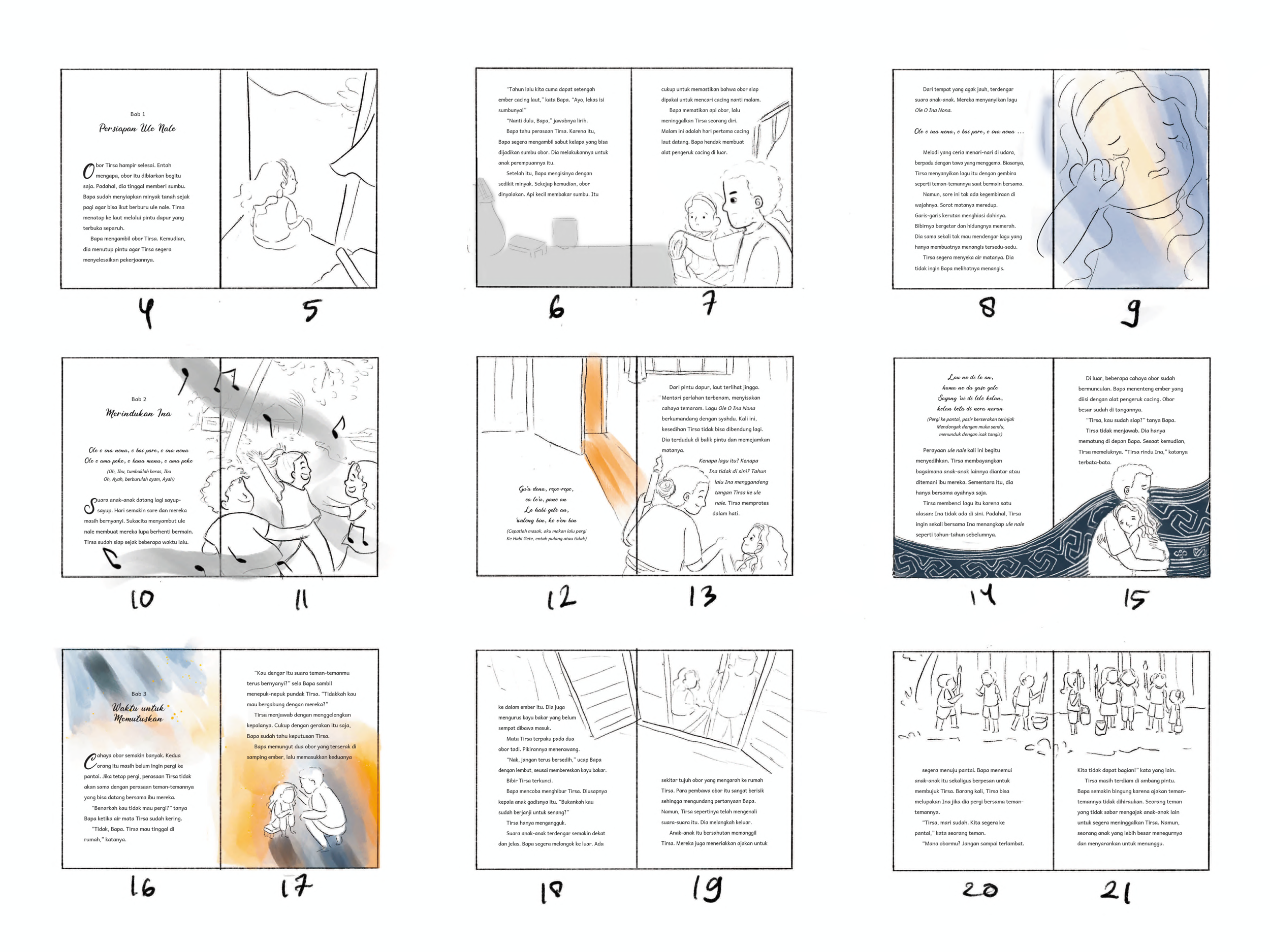
Following manuscript selection, our workshop transitioned to manuscript editing. Participating editors built their skills in three key phases: developmental editing, copy editing and line editing. Altogether, editors and art directors worked together, taking the technical guidance from Room to Read to transform good manuscripts into great stories and craft the final presentation of each book into something polished and ready for publication.
"The workshop deepened my understanding of the three stages of editing and how they work together to create quality children's books," shared Eva Nukman, from the Litara Foundation in Indonesia.
"I learned how developmental editing strengthens the story’s structure, characters and message, while copy editing ensures accuracy and consistency. Line editing helped me appreciate the importance of rhythm, flow and the beauty of language. The workshop reinforced that effective editing is a systematic process that moves from strengthening the story foundation to refining language, resulting in a more engaging and meaningful reading experience for children."
Noor H. Dee, an editor with Noura Books Publishing, reflected on how the workshop expanded her understanding of the editor’s role and the many responsibilities involved in creating quality children’s books: "The workshop gave me a much deeper understanding of the entire children’s book publishing process, from manuscript evaluation and selection to the different stages of editing," he shared.
"I learned the importance of assessing not only the originality of a story idea but also the quality of the writing itself. Most importantly, the workshop reinforced that an editor’s role extends far beyond correcting language errors. Editors play a critical role in shaping stories, supporting authors and ensuring that high-quality books reach young readers."
Agnes Vidita Arundati, an editor from BIP Gramedia, mentioned how this phase of the workshop helped her growth a broader understanding of the editorial process, which differed from her previous perception.
"Before attending the editorial workshop," she shared, "I understood that editors played an important role, but the workshop helped me appreciate the full scope of their responsibilities. I learned that an editor’s work goes far beyond reviewing text. Editors are involved throughout the entire publishing process — from selecting manuscripts and developing storyboards to working with art directors to choose the most suitable illustrators."
The role of art directors in children’s book publishing
Highly visual children’s literature, especially picture books for early grades, demands exceptional attention to illustration and design. The narrative flow is reflected and reinforced through visuals as much or more than it is by the text. This makes the role of the art director critical in the children’s publishing sector.
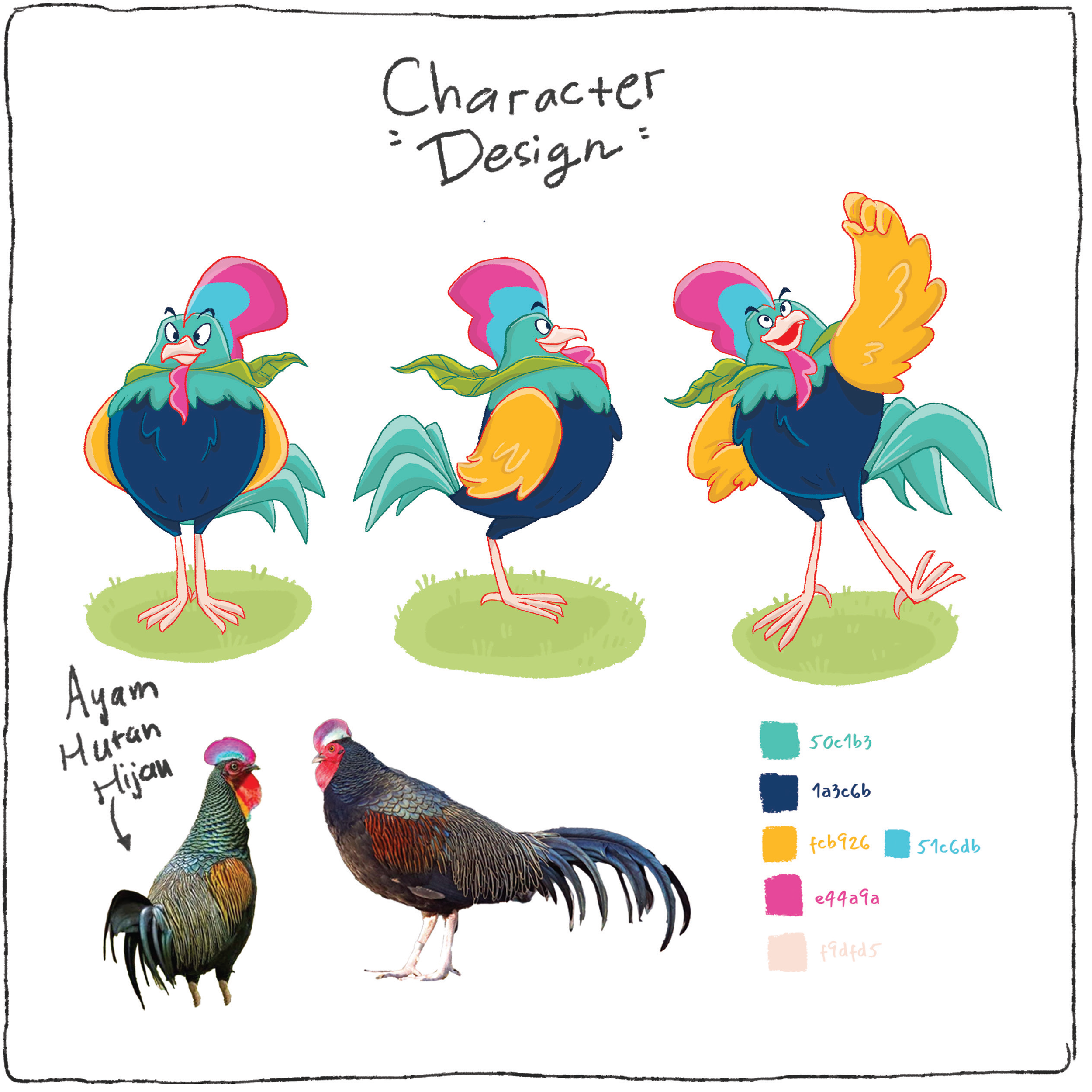
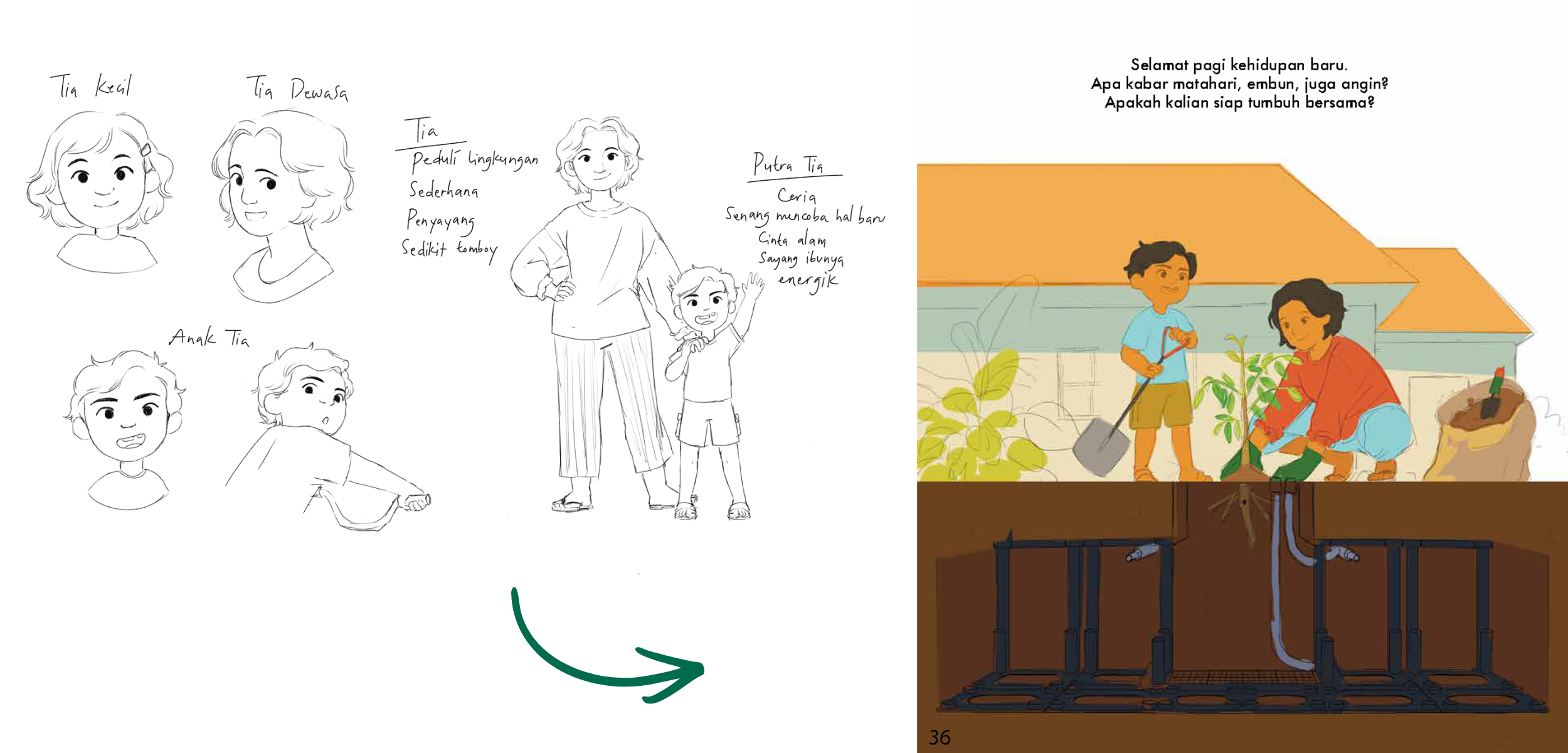
Our third workshop thus turned the spotlight on art directors, those responsible for guiding illustrators through the process of character development, color palettes and visual storyboarding. Participating art directors were tasked with developing visual narratives alongside the written text, creating cover artwork and title page designs, during which they learned about the role of typography selection in the broader storytelling process. In the end, 12 art directors representing five commercial publishers supported 14 illustrators in finalizing the designs for the selected titles.
"The Room to Read workshop gave me a much clearer understanding of the role of an art director in children’s book development, a role that is often confused with that of a graphic designer in our publishing industry," noted Faris Abulkhair, an art director from Noura Books Publishing.
Similarly, Dewi Tri K., an art director from Bestari, reflected on how the workshop strengthened her understanding of the art director’s role in shaping a book’s visual direction and ensuring that the story’s message is effectively communicated:
"The workshop helped me realize the importance of developing a clear visual vision and deeply understanding a manuscript before it reaches the illustrator," she shared. "I learned how crucial it is to understand the writer’s and editor’s intentions, translate key messages and emotions into visual concepts, and communicate them clearly while still giving illustrators creative freedom. The experience also reinforced the value of collaboration, feedback and iterative refinement. Through this process, I gained practical skills in building visual concepts, selecting suitable illustrators and guiding manuscript transformation into engaging illustrations for children."
As the first-of-its-kind editor and art director capacity-building exercise to take place in Indonesia, the workshop series attracted the attention of several potential partners, including Pusat Perbukuan, a government institution under the Ministry of Education that supports book creators through additional professional development opportunities. A group of editors and art directors representing Pusat Perbukuan took part in the workshop, focusing on strengthening the quality of Pusat Perbukuan's future children’s book publishing program. As one of the country's leading institutions for developing the capacity of children's book creators, Pusat Perbukuan’s newly trained editors and art directors are now poised to both strengthen Pusat Perbukuan’s publishing processes and better train and mentor future writers, illustrators, editors and art directors across Indonesia.
"Through the training programs and collaboration with Room to Read, I gained valuable knowledge and practical insights into organizing effective capacity-building programs for book practitioners," shared Berthin Sappang, a representative from the Pusat Perbukuan of Indonesia.
"The editor and art director training workshops, in particular, deepened my understanding of the critical roles these professionals play throughout the book development process, from manuscript planning to publication. The experience also provided useful examples of structured training approaches that can be adapted to our own programs. These lessons will help strengthen the quality and effectiveness of future capacity-building initiatives at Pusat Perbukuan."
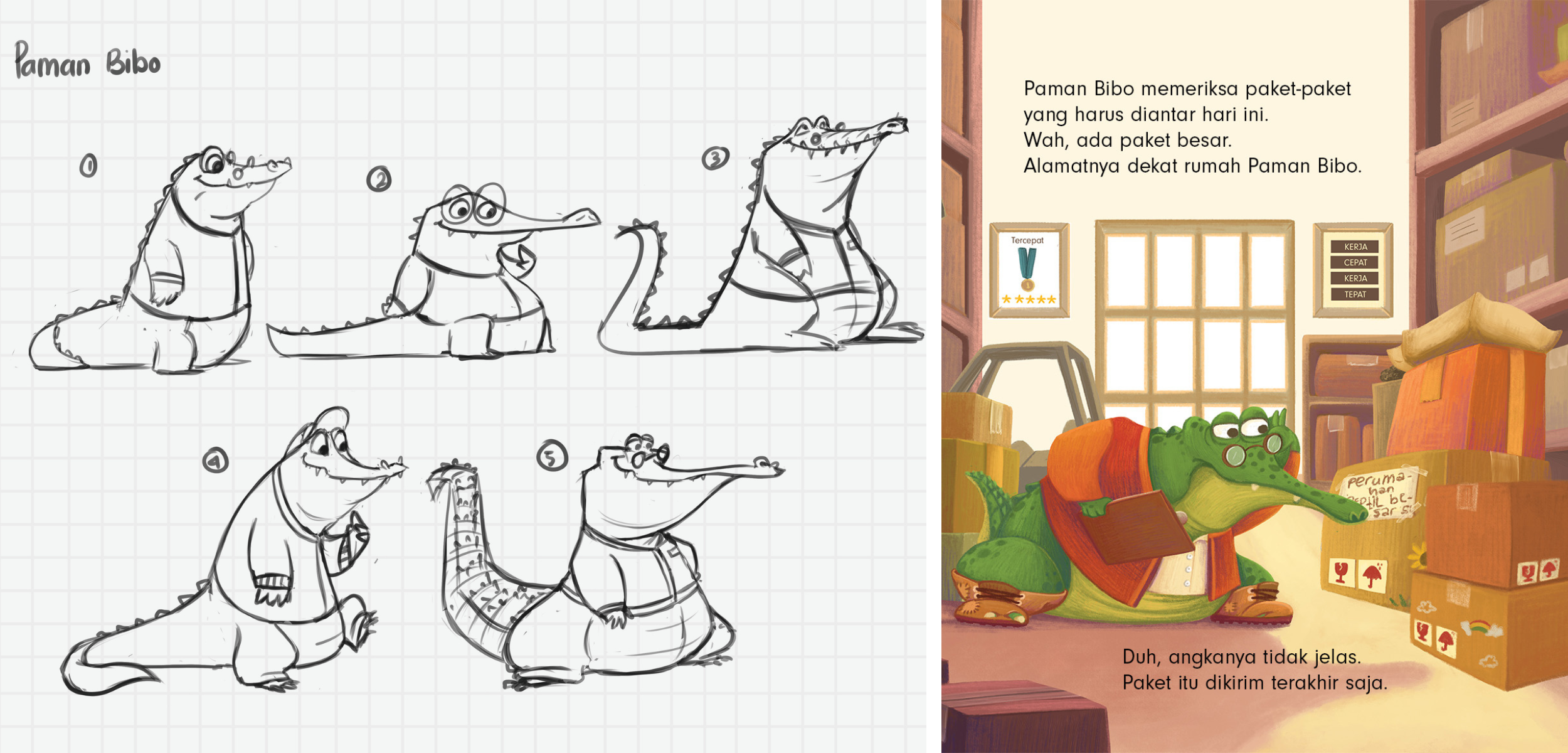
Room to Read’s work in Indonesia over the past decade has helped the country’s children’s book publishing ecosystem undergo a significant, much-needed shift. As the publishing landscape continues to evolve. Room to Read-trained editors and art directors are now prepared to cascade their learnings to colleagues across the publishing sector, helping to further improve the quality and diversity of children’s literature in Bahasa Indonesia for generations to come.
"As Indonesia’s children’s book publishing industry continues to grow, there is an increasing need for skilled professionals, particularly editors and art directors," stressed Wahyu Rinanto, founder of Literaloka Publishing.
"Through this initiative, I saw how Room to Read is helping address a significant gap by providing specialized training opportunities that are rarely available to local publishers. The workshop strengthened my understanding of the key roles involved in developing quality children’s books and reinforced the importance of investing in professional capacity building. I believe initiatives like this will contribute significantly to improving the quality of children’s literature and supporting the long-term growth of the industry in Indonesia."
Discover our children's book publishing

You might also be interested in...


Addressing linguistic complexity in Indian classrooms
Stuti Jain, Manager of Instructional Design and Structural Support

