
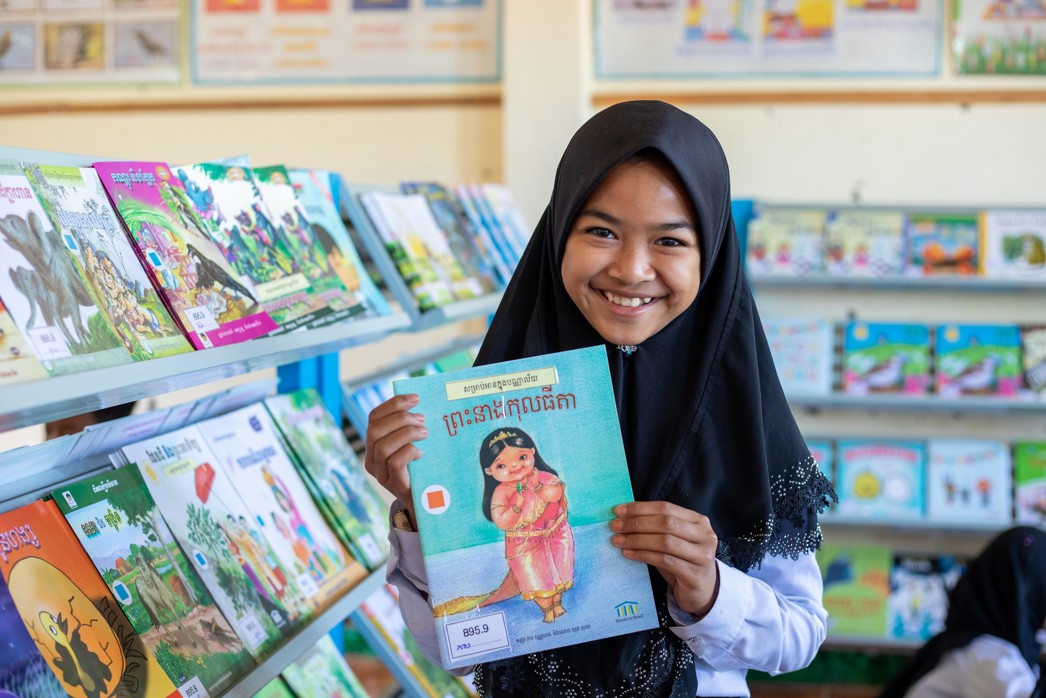
According to the World Bank and UNICEF, seven in 10 children aged 10 in low- and middle-income countries cannot read and understand a simple text, a level of need that has given rise to a wide field of reading charities, each addressing a different part of the problem. Room to Read is a nonprofit organization that has supported foundational learning skills, including literacy in the early grades and life skills in secondary school, since 2000 and has benefited more than 60 million children across 29 geographies, and the guidance below draws on what our own program evaluations show about which approaches change how well children read. Reading charities range from organizations that send books to children to ones that train teachers and work inside public school systems, and those differences decide what your gift can change. According to UNESCO, 739 million adults still lack basic literacy skills, two-thirds of them women and girls, which shows how a gap in reading that opens in childhood carries into adult life. This guide explains the main types of reading charities, the checks that help you compare them, how Room to Read performs against those checks and how our Literacy Portfolio addresses each part of the problem. Reading charities fall into four broad groups, and each one addresses a different link in the chain between a child and a book they can read and understand. Many charities combine more than one approach, so it helps to know which part of the chain a charity funds before comparing results. Some charities focus on getting books to children, distributing donated or newly purchased books to homes, schools and community libraries. Book access is a necessary starting point, and its effect on reading depends on whether the books are in a language the child speaks, reflect their cultures and experiences, and whether someone helps the child learn to read and understand them. A second group creates the books themselves, working with local authors and illustrators to publish storybooks in the languages children speak at home and placing them in school libraries. A child who learns to read in an unfamiliar language has to learn the language and the skill of reading at the same time, so books in a familiar language remove one of the two tasks. A third group trains and coaches teachers in the early grades so that lessons build the specific skills a child needs, from recognizing letters to reading with comprehension. According to UNESCO, the world needs 44 million additional teachers to meet its education goals by 2030, which means the quality of instruction from the teachers already in classrooms carries much of the weight. The last group works alongside ministries of education so that an approach that succeeds in a few schools becomes part of the public system that serves every child in a district or country. According to the United Nations' Sustainable Development Goals Report 2023, only one in six countries is on track to achieve universal secondary school completion by 2030, and progress at that pace depends on change across whole school systems. Because these four approaches change different parts of a child's reading, the most useful way to compare reading charities is to ask what each one measures and how its work reaches more children over time. The same six checks apply to any reading charity, Room to Read included, and to the wider field of education nonprofits working around the world. What to check Why it matters Reading results measured against comparison schools Shows whether children read better, which a count of books delivered cannot show Books in the languages children speak at home Children build reading skills more easily in a language they already understand Training and coaching for teachers and librarians Determines whether books and lessons turn into daily reading practice Work with ministries of education Determines whether results can reach every school in a district Local staff leading the work Programs designed by people from the same communities tend to fit local conditions An independent rating, such as Charity Navigator Signals financial health and accountability People who search for the best charity to donate books to are often looking for the most direct form of help, and the same checks apply. A useful question is whether the charity also supports the teachers, librarians and reading lessons that help children read the books they receive, since a book a child cannot yet read does little to build the skill. Someone looking for a literacy charity in a particular region, such as Africa or South Asia, can add one more question, which is whether the charity employs local staff and publishes in local languages there. Our work in 2025 spanned 21 countries, including South Africa, Tanzania, Kenya, Rwanda, Malawi, Uganda and Nigeria in Africa and Bangladesh, India, Nepal and Sri Lanka in South Asia. Applied to Room to Read, the six checks point first to reading results measured against comparison schools, which our Literacy Program reports in every evaluation. Children in our programs read up to 2.5 times as fast as their peers in comparison schools and answer 2.6 times as many comprehension questions. Evaluations in individual countries show how quickly those gains can appear. In Nepal, children in schools we support showed up to 50 percent more improvement than peers in comparison schools, and the share of children struggling to read simple text fell from 83 percent to 19 percent within a single year. Independent reviewers have also rated how we operate. Our work has earned 20 four-star ratings from Charity Navigator and a place in HundrED's Hall of Fame, where a jury of 194 experts chose five organizations out of 3,500 for impact and scalability. The results above come from an organization built to work at scale in partnership with governments and local communities. Room to Read was founded on the belief that World Change Starts with Educated Children®, and in 2025 our programs actively benefited 17 million children. Nearly 90 percent of our team is based in the countries where we work, and local nationals lead our community-based operations from program design through implementation. By the end of 2025, we had invested more than US$1 billion in foundational learning, which begins with literacy in the early grades and continues with life skills for adolescents in secondary school through our Girls' Education Program. Our Literacy Program answers each of the four approaches described at the start of this guide within a single model. Through our Literacy Portfolio, we partner with ministries of education to implement evidence-based curriculum and content, educator training and coaching, and effective program delivery structures, including child-friendly libraries stocked with local-language storybooks created by local authors and illustrators. We have published more than 5,000 original and adapted children's titles in 75 languages and distributed more than 46 million books, and in 2025 we trained 18,000 teachers and librarians. In a typical school we support, a trained librarian runs regular library periods in which children borrow books in their home language, while coaches visit early-grade teachers to observe reading lessons and help them adjust their instruction. With the Government of Rajasthan in India, we have scaled an evidence-based literacy approach to about 2,600 primary schools in Jodhpur, where children gained a 16-word-per-minute advantage in reading fluency over comparison schools and were three to four times as likely to meet reading benchmarks. A gift to Room to Read therefore funds more than one program, because it invests in the systems, partnerships and infrastructure that let what works reach children at scale, whether you give each month or arrange a legacy gift through your estate plan. Our evaluations continue to add evidence on which combinations of local-language books and teaching help children read with comprehension, and the field of reading charities changes as that evidence grows. Our email subscribers receive new program results and research on children's literacy as they are published. Sign up below to receive Room to Read program results and new research on how children learn to read.Why do reading charities matter?
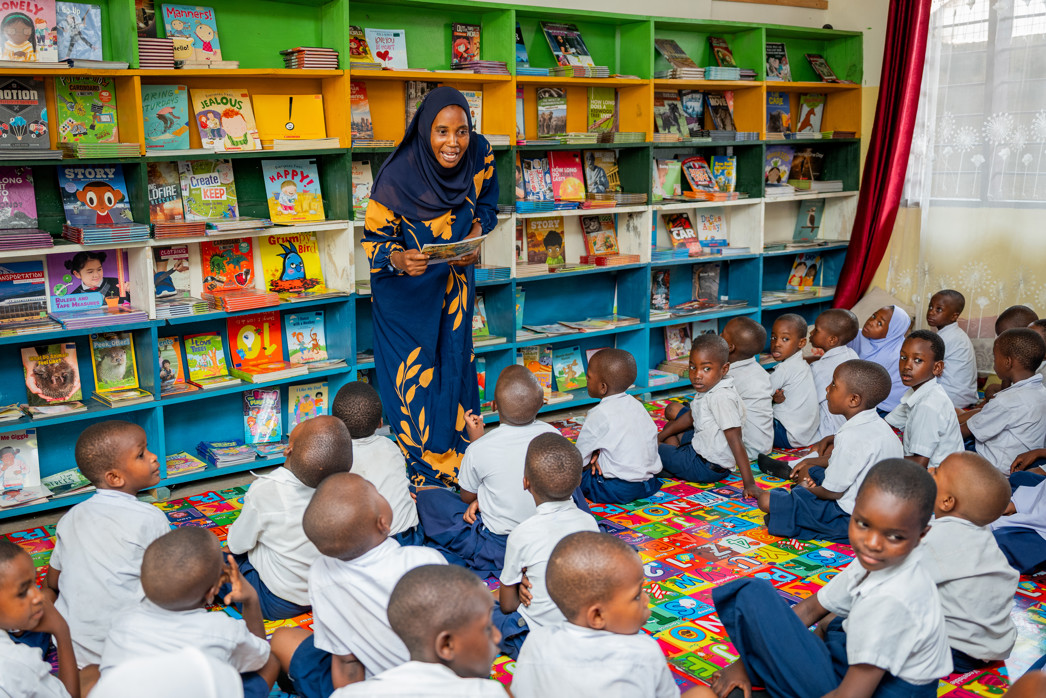
What types of reading charities are there?
Book access and distribution
Local-language publishing and school libraries
Reading instruction and teacher coaching
Work with government school systems
How do you choose a reading charity worth supporting?

If you want to donate books
Choosing a literacy charity for a specific region
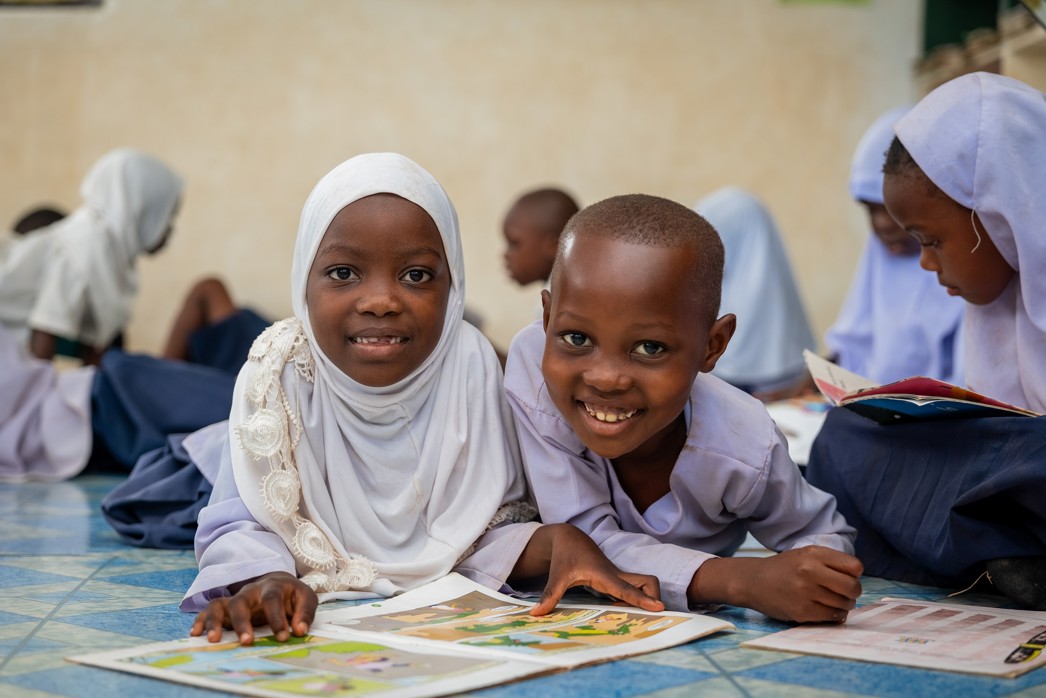
How does Room to Read perform against these checks?
Results from a single school year
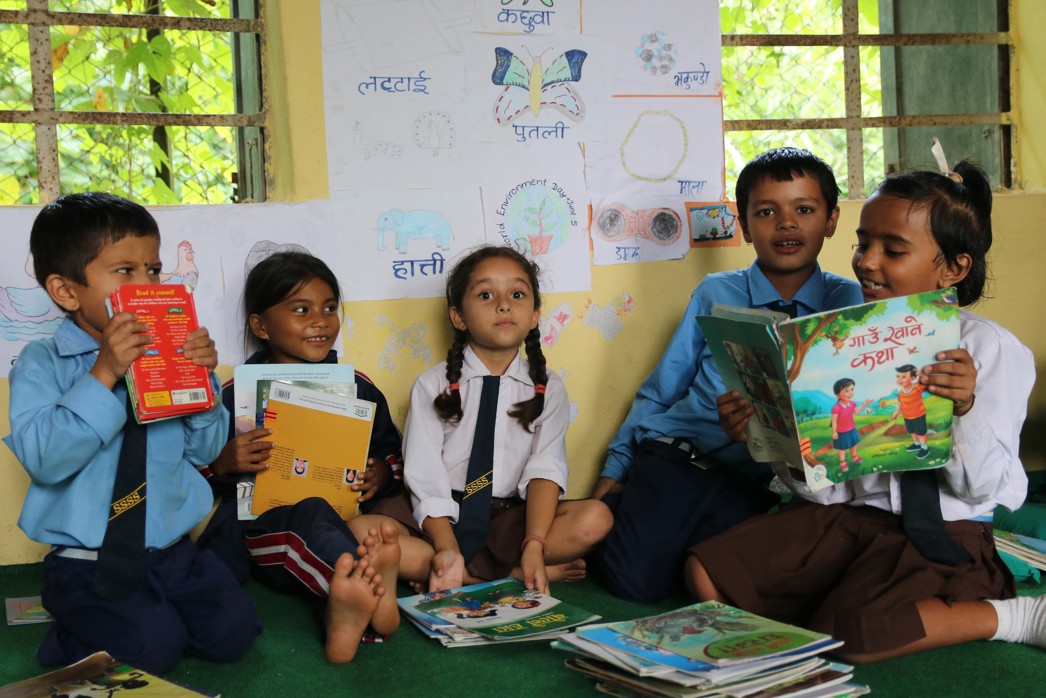
Independent ratings
What Room to Read is
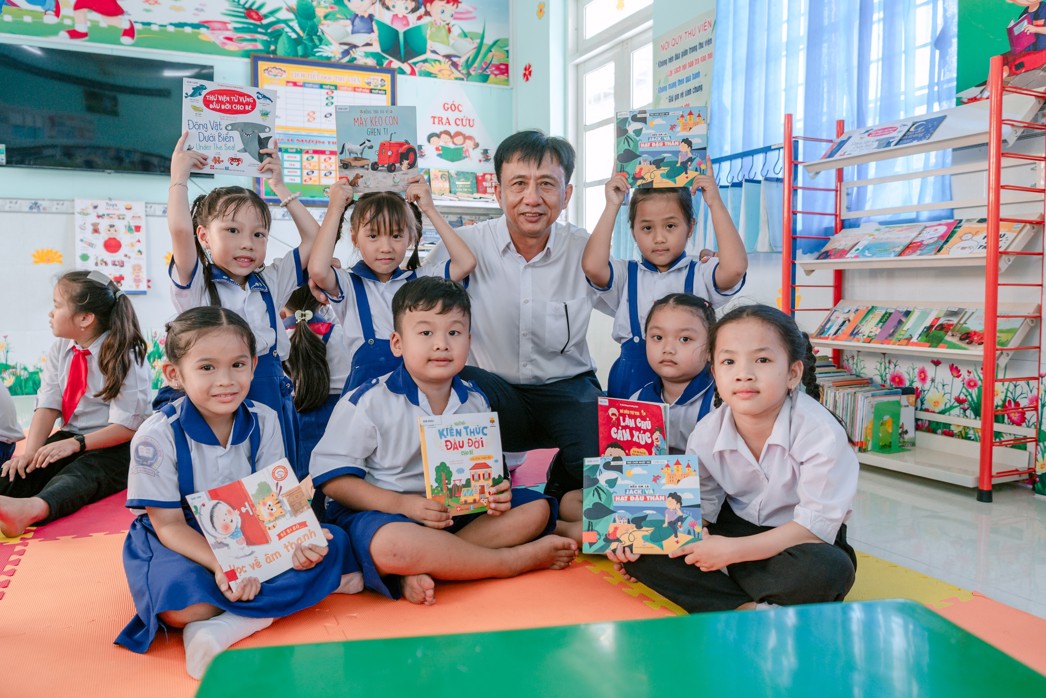
A locally led organization
How Room to Read addresses reading
Books, libraries and teachers
Working alongside governments at scale

How to stay informed
