Room to Read Bangladesh was officially established in 2008, and program operations launched one year later. Our Literacy Program encourages fluency and informs national curriculum, while our Girls’ Education Program builds upon the development of life skills to help girls graduate and negotiate key decisions.

Bangladesh
Bangladesh’s educational landscape has been profoundly shaped by its complex history of colonialism, partition and independence struggles. The roots of the current education system can be traced back to British colonial rule, which focused on teaching the English language through Western curricula, creating a stark divide between the English-speaking elite and the rest of the country, most of whom speak Bangla. Currently, Bangladesh faces significant challenges in ensuring quality learning outcomes. According to the World Bank, half of all 10-year-old students are not meeting minimum reading and writing proficiency standards. This learning crisis is particularly acute for children from low-income communities, those with disabilities, and those living in disaster-prone areas. Historical context
The partition of India in 1947 and Bangladesh’s subsequent independence from Pakistan in 1971 brought further upheaval to the education sector. The newly formed nation inherited an education system that was ill-equipped to serve its entire population, with low enrollment rates and significant gender disparities. In the immediate aftermath of independence, Bangladesh nationalized thousands of primary schools in an attempt to make education compulsory and more culturally relevant for Bangla-speakers. However, political instability, including periods of military rule, left deep gaps in educational access and quality, issues that persist today.
As a young nation, Bangladesh continues to face wave after wave of crises, including currency devaluation, extreme weather and political unrest, culminating in student-led protests that closed schools nationwide in 2024. Although schools have since reopened, the ongoing unrest has created a volatile environment, with future disruptions likely. The 2024 resignation of Prime Minister Sheikh Hasina and the establishment of an interim government have further heightened uncertainty. With ongoing protests and violence, the situation remains fluid, threatening the progress made in education and exacerbating the already fragile system, making sustained efforts to strengthen educational access more critical than ever.
While Bangladesh has made remarkable progress in expanding access to education, particularly for girls, the legacy of its historical challenges continues to impact the quality of education. The rapid expansion of the education system, while laudable, has often outpaced the country’s ability to ensure quality teaching and learning outcomes. The persistent influence of colonial-era educational structures that have hindered the quality of local-language instruction, combined with resource constraints, has resulted in a system that struggles to ensure every child is learning fundamental reading and writing skills. 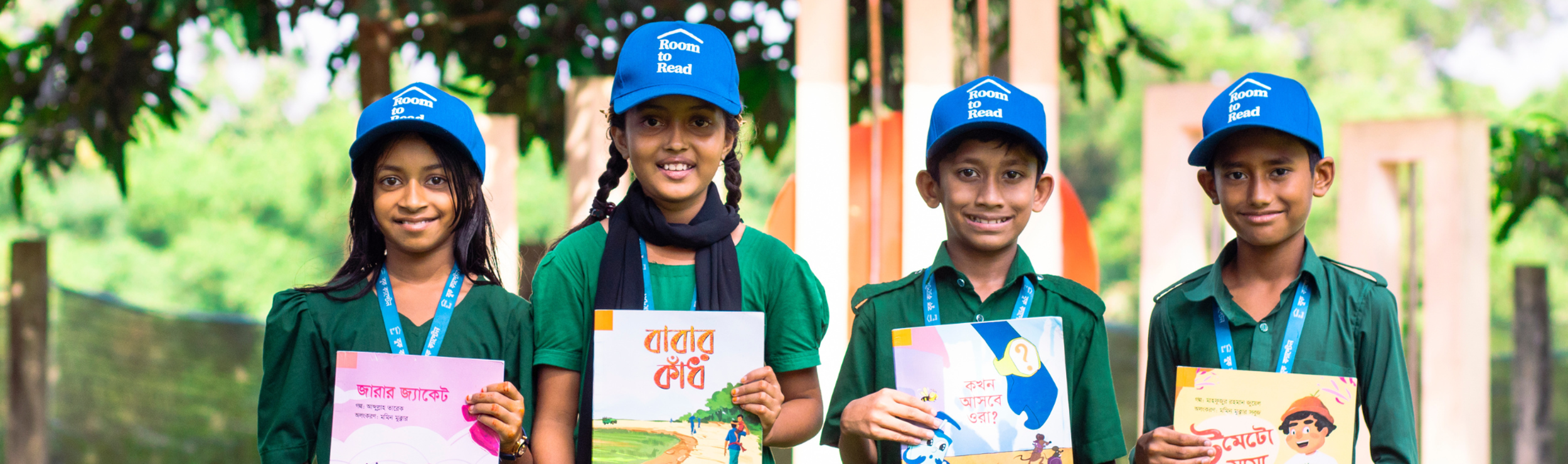
Current learning challenges
The situation is further exacerbated by inadequate resources in schools, especially in rural areas, where many classrooms lack sufficient learning materials and properly trained teachers. As a result, many children struggle to acquire basic academic skills, with only 25 percent of secondary school graduates attaining basic competencies. This learning gap severely limits future opportunities for these children, perpetuating cycles of poverty.
While Bangladesh has made significant strides in achieving gender parity in primary and secondary school enrollment, girls continue to face disproportionate challenges in completing their education. More than one in three girls is likely to drop out of secondary school, driven primarily by cultural norms, early marriage, and economic pressures. Girls who marry young are four times more likely to drop out of school, a situation that worsened during the COVID-19 pandemic, and half of all girls in Bangladesh are married before they turn 18. Even for girls who remain in school, there are concerns about the quality of education they receive and whether it adequately prepares them for future employment opportunities, underscoring the need for gender-inclusive, transformative education.
“We just want all children to have access to quality education. That's what drives us.”
The Latest from Bangladesh

The power of children’s libraries: supporting literacy and building community
Christabel Pinto, Vice President, Room to Read's Literacy Portfolio

Before the first bell: Strengthening learning in the pre-primary years