
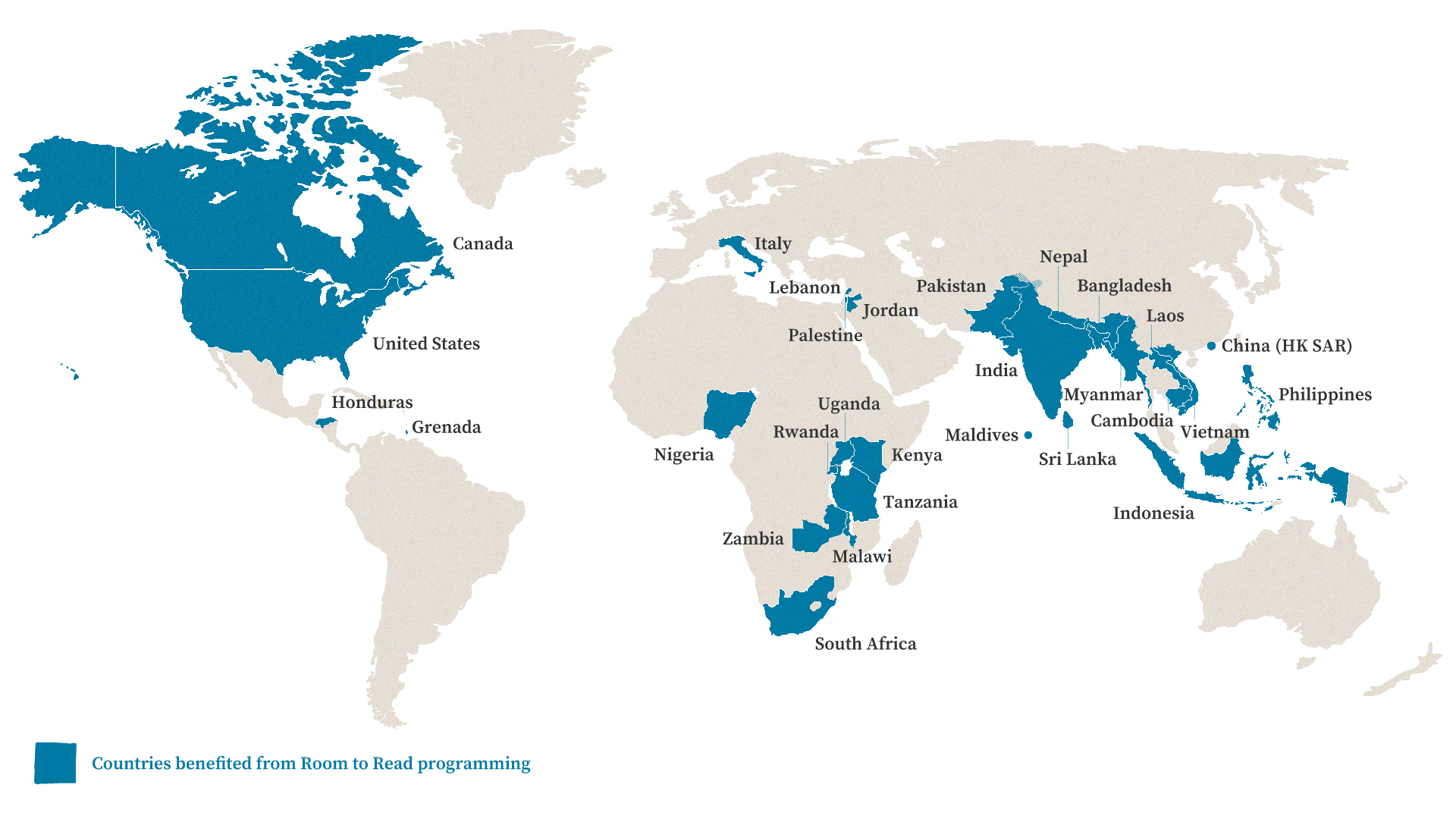
Our workforce: Room to Read’s workforce includes a geographically representative and diverse group of staff, partners, board members, volunteers and ambassadors, all actively working to advance our mission. Our programming: Since 2000, Room to Read has reached 29 countries and benefited 60.3 million children cumulatively.1 1Children benefited numbers reflect children who benefit through any of our programmatic activities within our Literacy Portfolio and Gender Equality Portfolio. 
Our Reach

2025 Annual Report
Throughout my 17 years at Room to Read, I’ve seen how progress can stall without sustained support. Moments of possibility require systems strong enough to support them. As CEO, I feel a deep responsibility to ensure these moments don’t depend on chance but are protected by design and elevated with intention.From our CEO

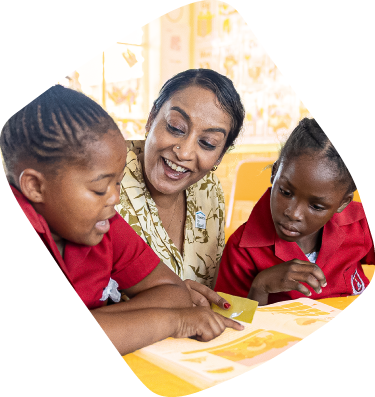 Education begins in moments we all recognize: the weight of a book in a child’s hands, the pride of reading a sentence aloud, the quiet confidence that grows when learning feels possible. These moments are small, but their power is vast. They shape how children see themselves and the world they believe they can build.
From our Global Board Chair

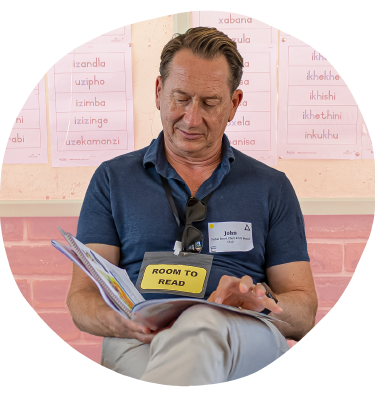 Throughout my career, I have witnessed time and again that lasting, meaningful progress comes from continuous learning and evidence-driven decisions. Informed by this understanding, as an investor, I assess opportunities based on their demonstrated capacity to endure and expand. When I was first introduced to Room to Read over a decade ago, I was impressed with their commitment and capacity to measure and deliver positive results over time and across geographies.
  Continue reading
Room to Read combines rigorous evaluation of program effectiveness with comprehensive monitoring of reach and implementation to ensure every investment drives measurable outcomes for children. As of January 2026, preliminary 2025 results show: Our Results

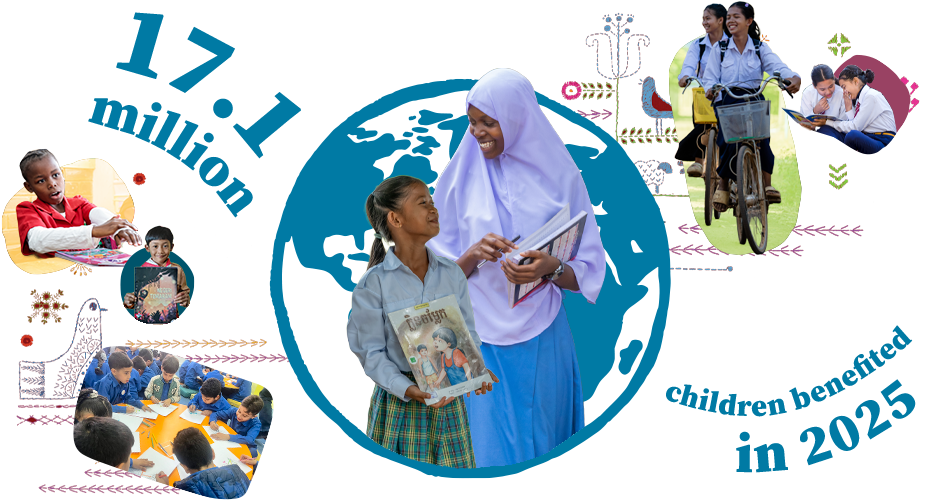

 16.5MM children benefited in 2025, with 55MM children benefited cumulatively
 Children in Room to Read programs read up to 2.5 times faster and answer up to 2.6 more comprehension questions than peers in comparison schools
 45.7MM books distributed and 5,166 original and adapted children’s literature titles published cumulatively
*Children benefited through Gender Equality Portfolio (GEP) participate in a range of different types of programming based on our core competencies, including life skills and content knowledge development as well as mentorship.
 615,724 adolescents benefited in 2025, with 4.4MM adolescents benefited cumulatively
 32,967 adolescents have graduated secondary school school through our comprehensive Girls’ Education Program cumulatively, including 4,598 in 2025
 Over 90 percent of girls enrolled in our Girls’ Education Program advance to the next grade and more than 80 percent secure work or enroll in tertiary education
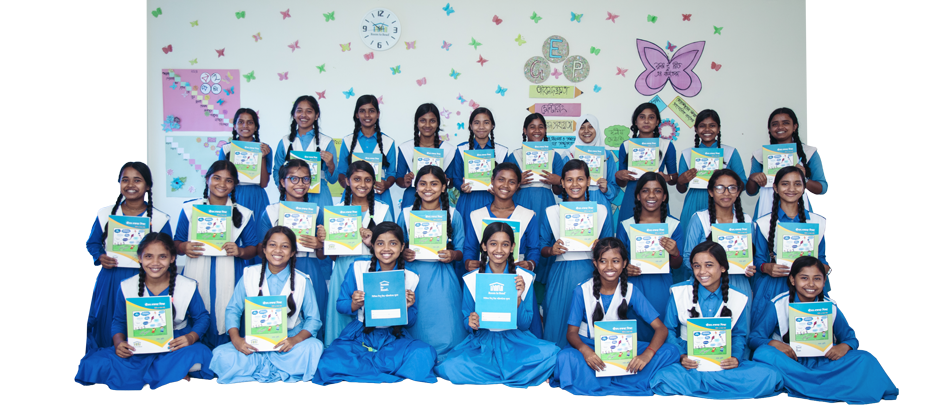
Room to Read develops and implements our programming based on our four distinct core competencies. As you scroll through this report, you’ll see how each competency translated into tangible results in 2025, from measurable gains in learning to expanded access for millions of children, and how these strengths position us to deepen our impact in the years ahead.Our Successes

Research and Insights

When children receive a quality education, they are more likely to succeed professionally, contribute positively to their communities, and shape a brighter future for themselves and their families. In fact, if historically low-income countries achieve universal secondary education by 2030, per capita income could increase by 75 percent within two decades, lifting millions of people out of poverty.
To achieve this potential requires more than commitment; it requires disciplined measurement and evidence. Room to Read invests deeply in understanding what drives learning and gender outcomes. Our approach to evaluation not only strengthens our own programs but increasingly is adopted by partners and governments. In 2025, we designed and utilized key measurement tools to assess our activities and conducted rigorous evaluations to monitor the sustainable impact of our programming.
Room to Read’s Gender Equality Portfolio places life skills at the center of adolescent education. Recent data across eight program countries demonstrated that our programming delivers measurable gains in adolescent emotional resilience and other core life skills. These outcome gains are assessed through our transformative Adolescent Life Skills Assessment. By using the tool, we can monitor changes in adolescents’ life skills and gender knowledge over the course of their participation in the program.
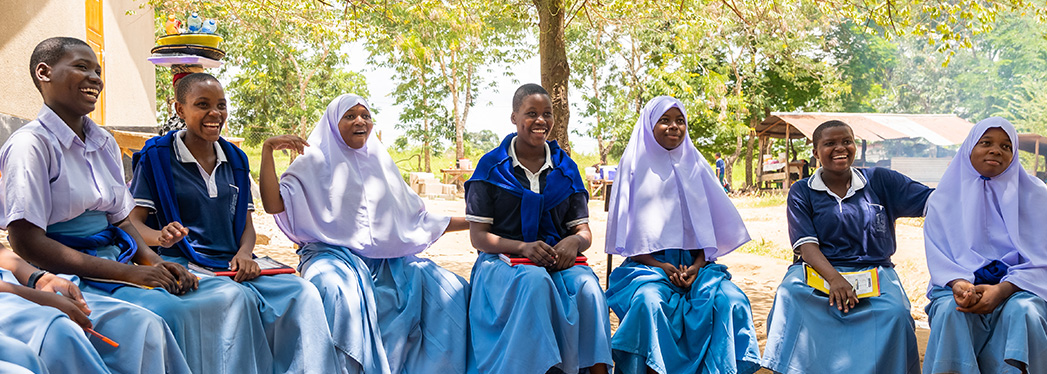
A recent assessment in Tanzania found statistically significant improvements among participants against all five domains of life skills — emotional resilience, collaboration, decision-making, leadership and gender knowledge and attitudes. Across the portfolio, these resilience gains align with strong educational trajectories.
In 2025, Room to Read completed several multi-year evaluations focused on the scalability and impact of our Literacy Portfolio. In India, findings confirmed that, when implemented in partnership with local governments across thousands of schools, Room to Read’s literacy programming measurably improves student learning outcomes. After three years, students in program schools were 3-4x more likely to meet state reading benchmarks compared to their peers in non-program schools.
In Nepal, literacy gains were also reported in recent findings from an evaluation. By the end of Grade 2, students in program schools achieved literacy gains as much as 50% higher than those observed in comparison schools. Grade 2 teachers also received higher marks for their classroom practices than educators in comparison schools. In addition, children who reported reading for fun multiple times per week consistently demonstrated higher literacy scores ― indicating that when we invest in libraries and give children access to engaging books, we help build the reading habits that unlock lifelong learning.
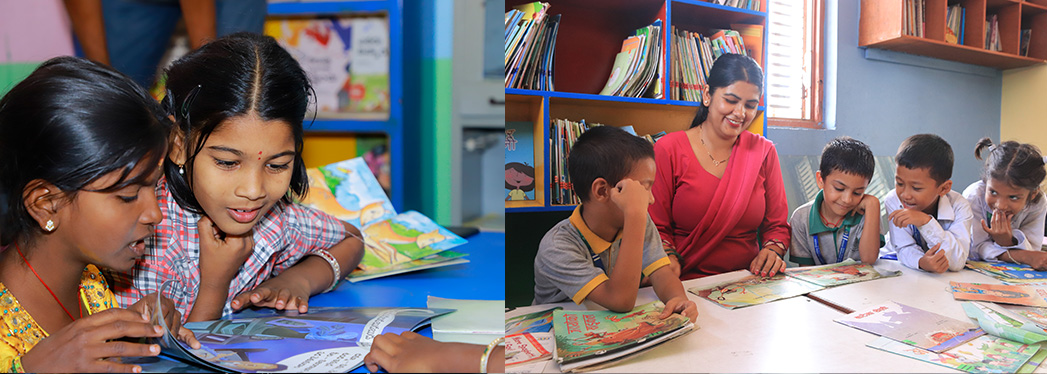
Literacy gains were also illustrated in recent findings from an evaluation in Nepal. By the end of Grade 2, students from program schools demonstrated greater literacy gains than students in comparison schools ― with literacy gains as much as 50% higher than those observed in comparison schools ― and Grade 2 teachers received higher marks for their classroom practices than educators in comparison schools. In addition, evaluation results showed that children who reported reading for fun multiple times per week tended to have higher literacy scores ― indicating that when we invest in libraries and give children access to great books, we help build the reading habits that unlock lifelong learning.
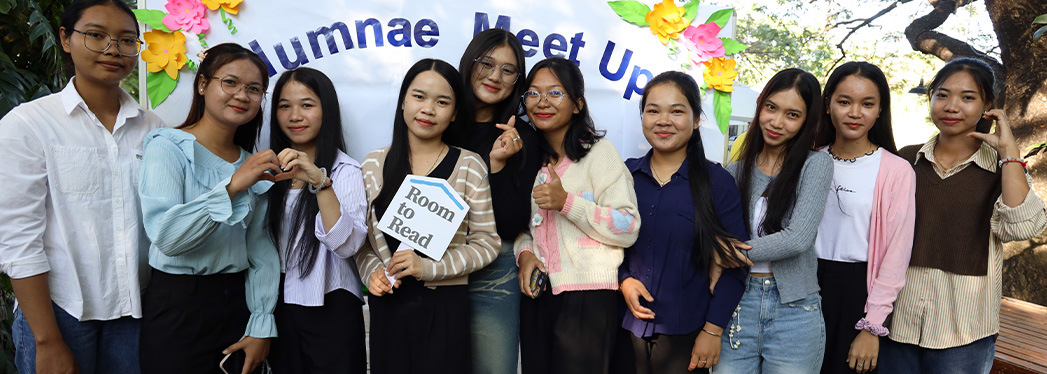
Room to Read’s life skills programming creates pathways to improve outcomes during school and after graduation. In Cambodia, we conducted follow up research with alumnae from program cohorts that had graduated up to ten years ago. Even after a decade, alumnae credited their participation in Room to Read’s Girls’ Education Program and the life skills they developed with the positive outcomes they’d achieved since graduation.
Room to Read extends special recognition to our generous institutional supporters, including those who contributed more than US$50,000 in 2025, and those who offered vital in-kind donations. We are grateful for the global community of dedicated individuals who contribute their time, expertise and energy to advance Room to Read’s mission to ensure Room to Read can continue to nurture foundational learning skills in all children. Our progress in 2025 was catalyzed by the commitment of our esteemed global and regional board members, advocates, ambassadors and volunteer leaders.

Our Community of Supporters
Our major investors Partner case studies Partner with us
Our 2025 audited financials are forthcoming and will be posted to our financials page once finalized. Financial integrity, transparency and accountability are central to Room to Read’s values. Our work is made possible by the generosity of our global partners and supporters, and we are deeply committed to stewarding those resources responsibly and reporting transparently on how funds are used. 2025 Financials

We also maintain administrative costs below industry averages to prioritize program investment. At least 85 cents of every dollar spent directly supports delivery of our literacy and gender equality programming.
